
2 Minutes
Samsung SDI has unveiled a new silicon-carbon (Si‑C) battery — but don’t expect it in your next Galaxy phone. The company’s latest cells are built for electric vehicles, promising better durability, faster charging and improved safety for automotive applications.
Si‑C anodes meet automotive demands
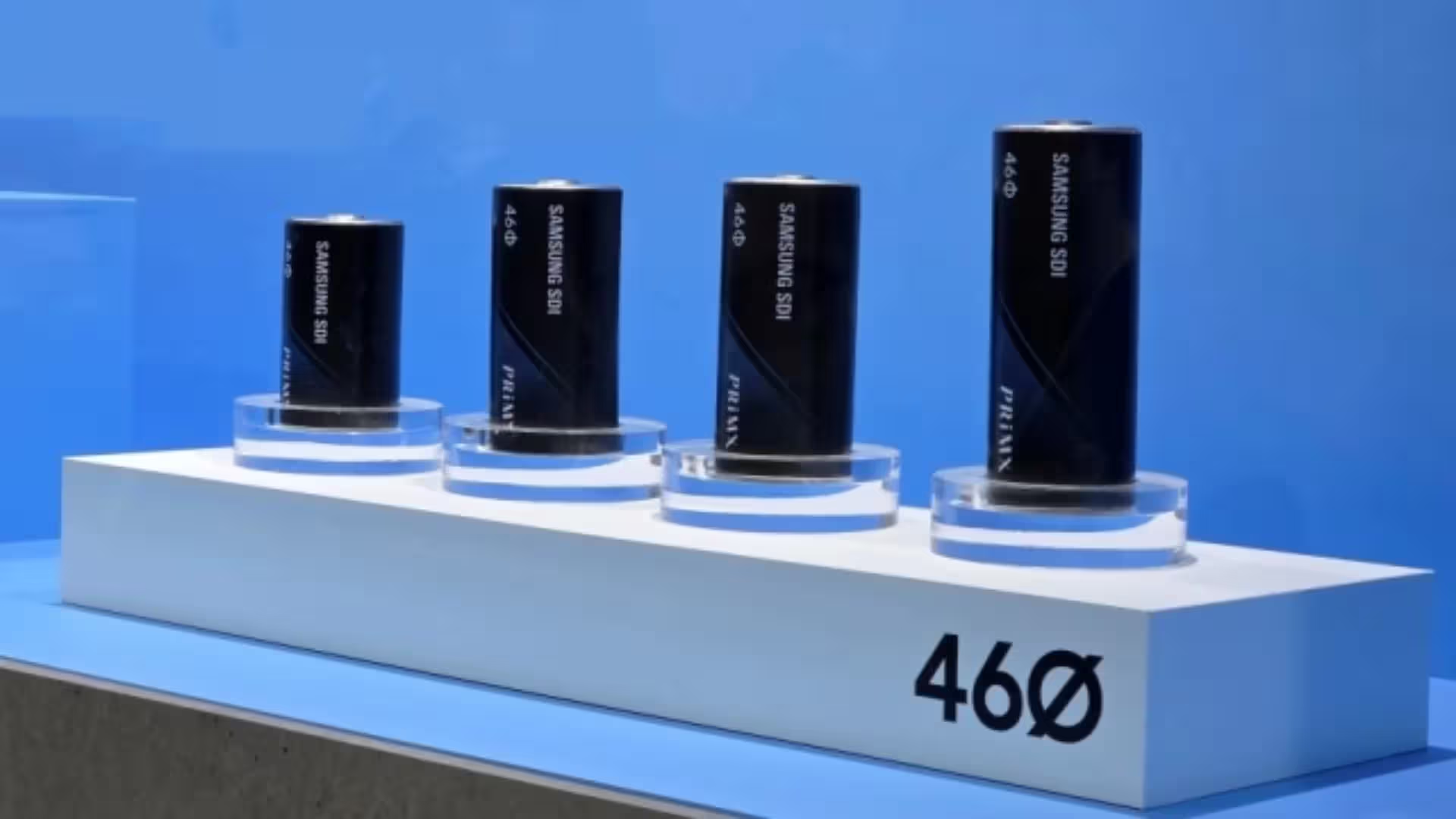
Samsung SDI and KG Mobility announced a collaboration to develop battery packs using the manufacturer’s 46‑series cylindrical cells. These cells pair high‑nickel NCA cathodes with Samsung’s proprietary silicon‑carbon nanocomposite anode, a design tuned to reduce electrode swelling and extend usable cycle life.
Why does that matter? Silicon can store far more lithium than graphite, but it expands and contracts with charge cycles. By embedding silicon into a carbon matrix, Samsung SDI aims to keep the capacity gains while limiting physical stress — a crucial tradeoff for EVs that need longevity and predictable performance over many years.
Performance and safety upgrades that count
The new packs also use a tabless cell architecture, which cuts internal resistance and smooths current flow. That design helps deliver higher peak power and faster recharge times — both attractive traits for electric cars. On top of that, Samsung says it improved thermal management and upgraded manufacturing steps to boost reliability and safety compared with previous generations.
- Cell format: 46‑series cylindrical cells
- Cathode chemistry: high‑nickel NCA
- Anode: proprietary silicon‑carbon nanocomposite
- Design perks: tabless layout, enhanced thermal controls
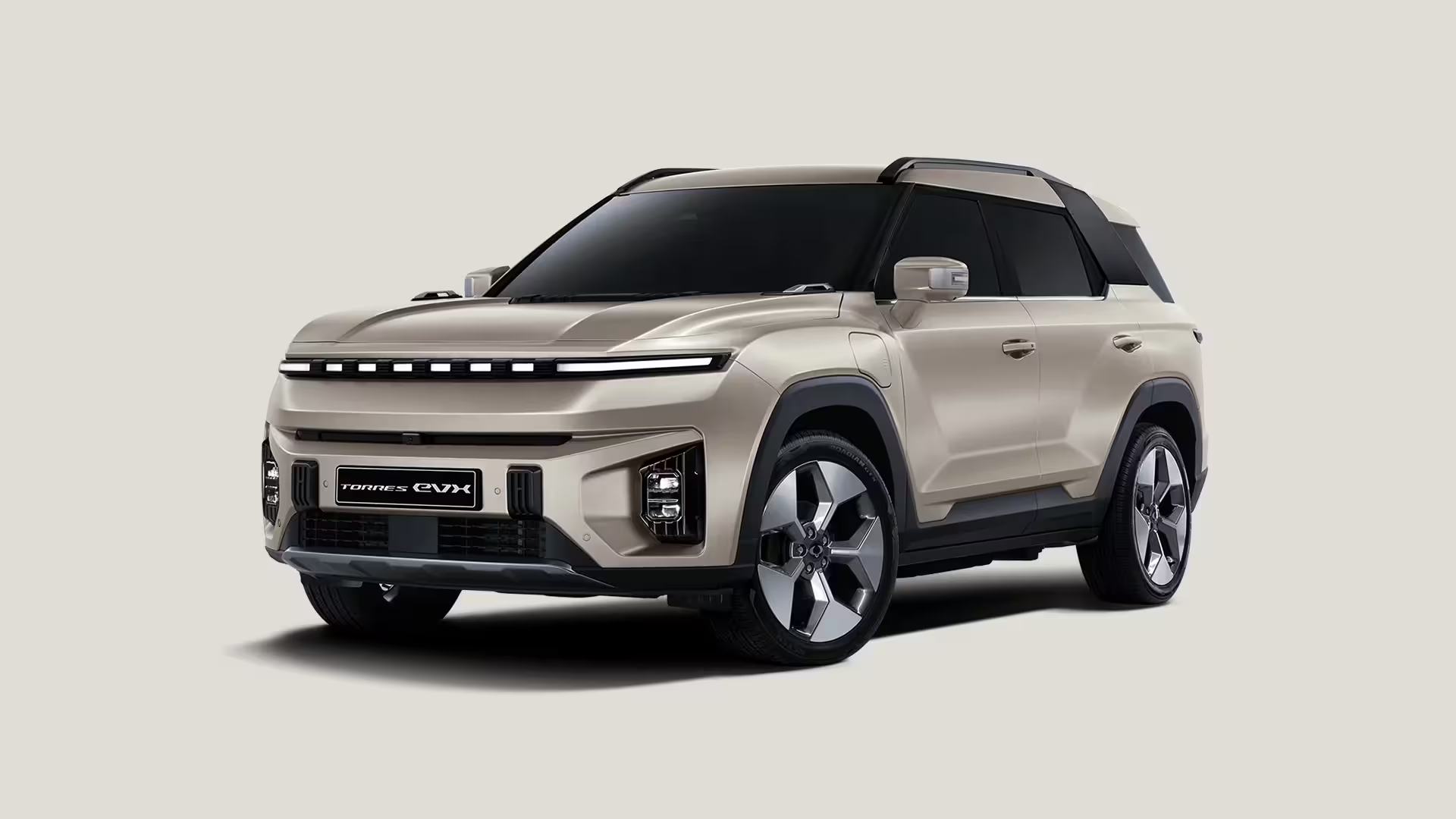
These packs are slated for KG Mobility’s next‑generation electric vehicles under a newly signed memorandum of understanding. For KG — a company with roots dating to 1954 and a complex ownership history that includes SsangYong, Daewoo, SAIC and Mahindra — the deal signals a push to modernize its EV lineup with cutting‑edge battery tech.
What about Galaxy phones?
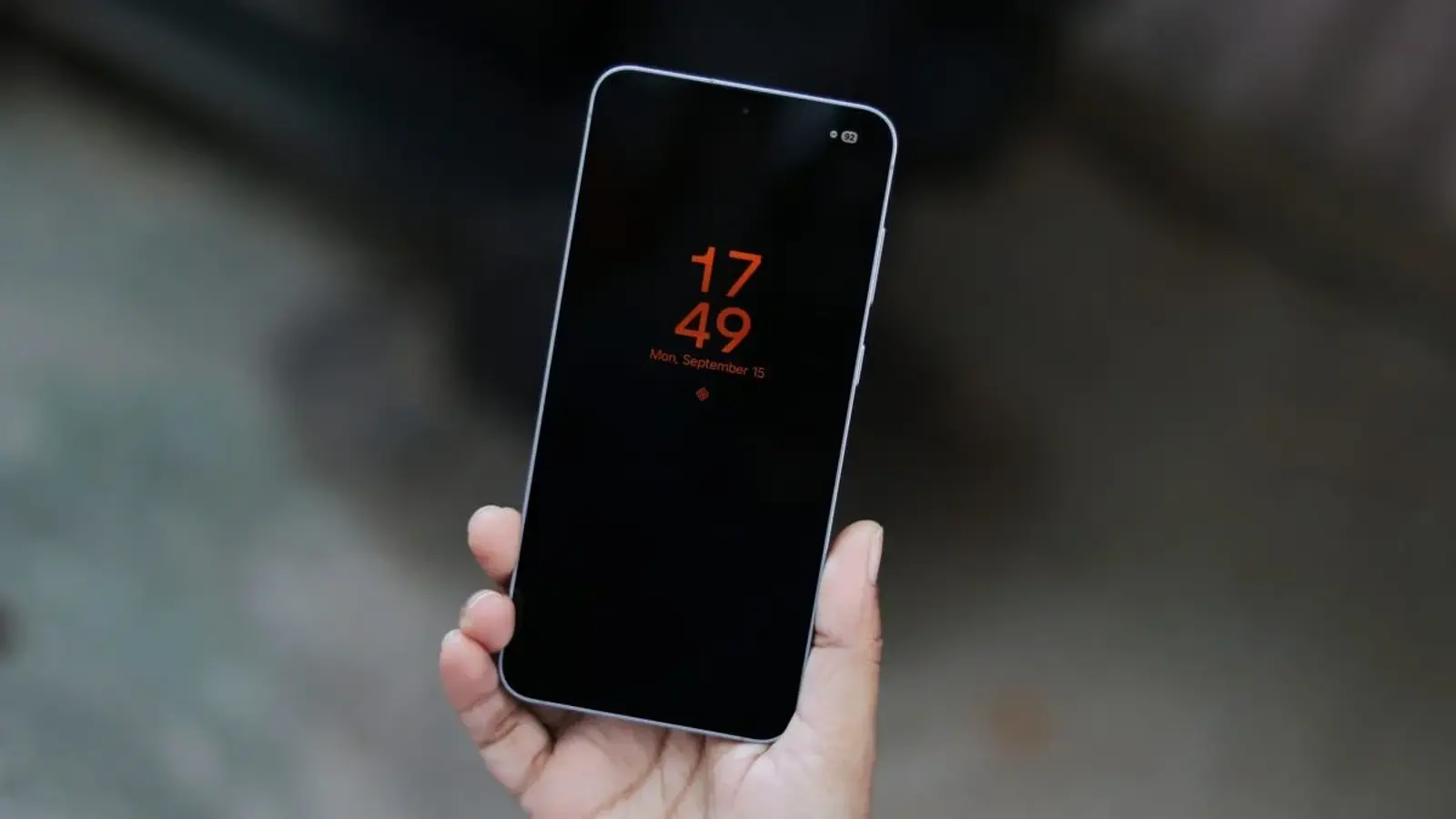
It’s tempting to assume Samsung’s mobile division will get these Si‑C gains next, since Samsung MX sometimes sources cells from Samsung SDI. But automotive cells are optimized for different stresses and safety standards than smartphone batteries. While the tech could trickle down, there’s no timeline. In short: promising for phones someday, practical for cars now.
For readers tracking battery innovation, this move highlights how automakers and battery makers are adopting silicon‑enhanced anodes and tabless designs to chase longer range, faster charging and safer packs — a reminder that the next big battery advances will likely appear first on the road, not in your pocket.





Leave a Comment
Comments
No comments yet. Be the first.