
4 Minutes
Could station wagons stage a US comeback?
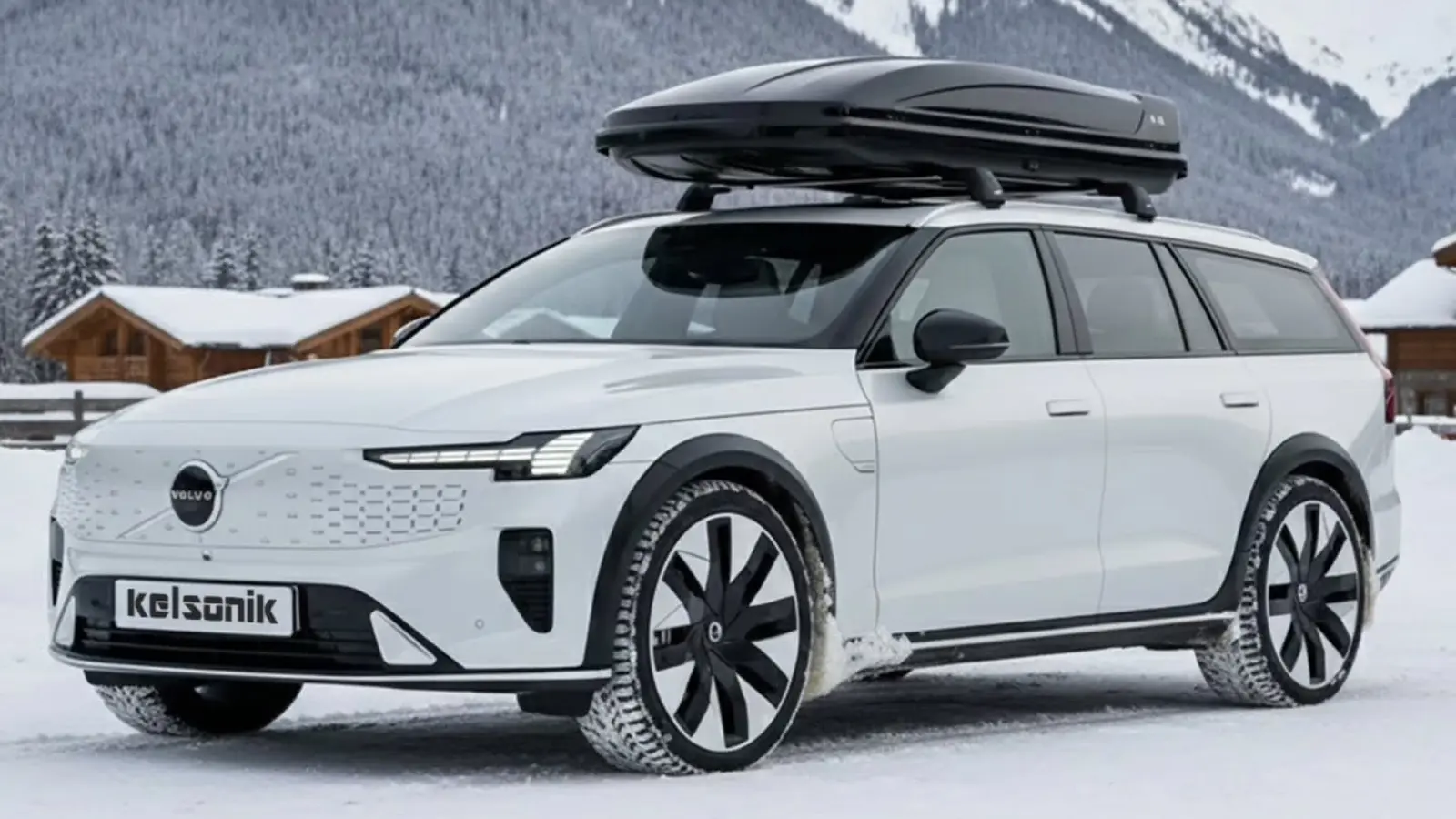
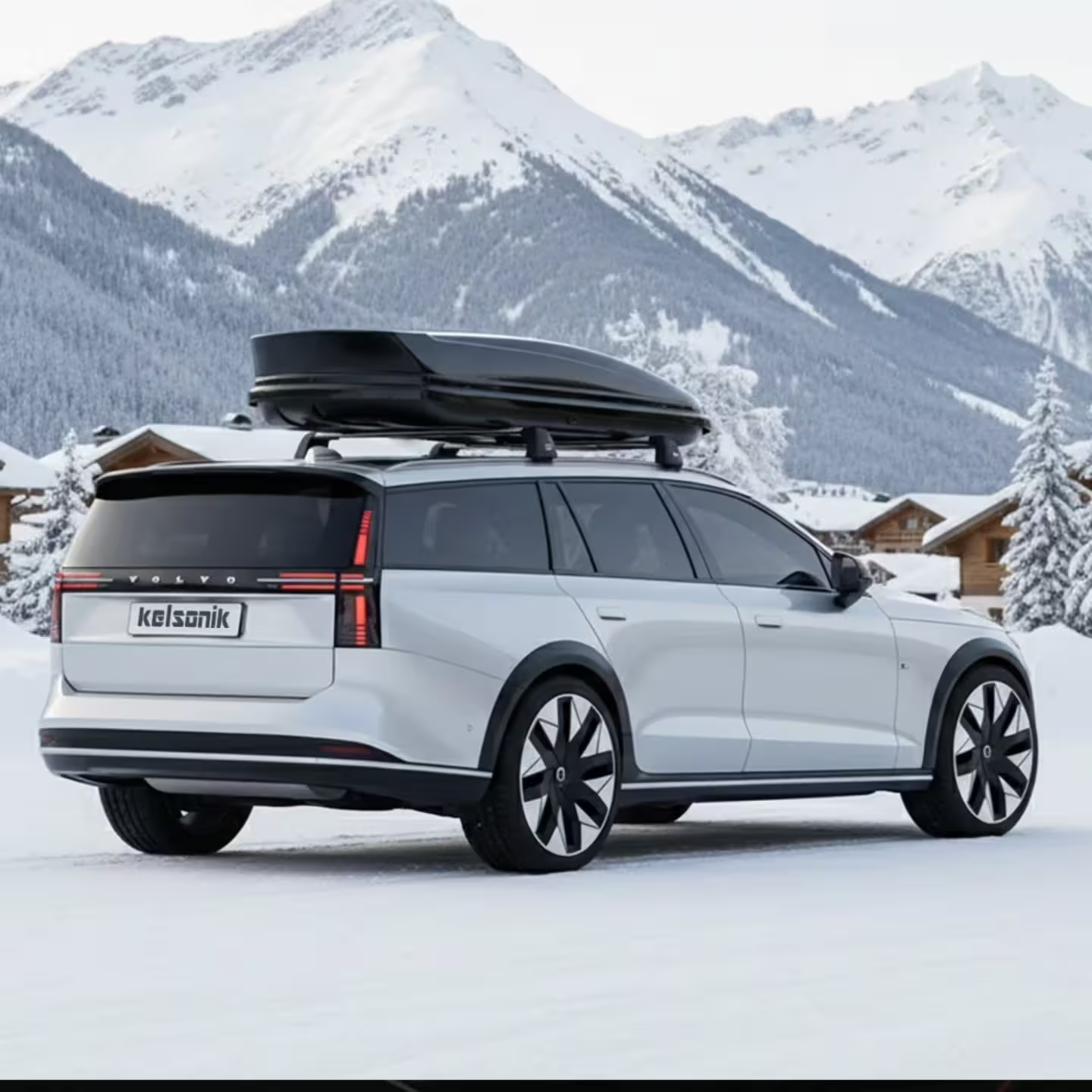
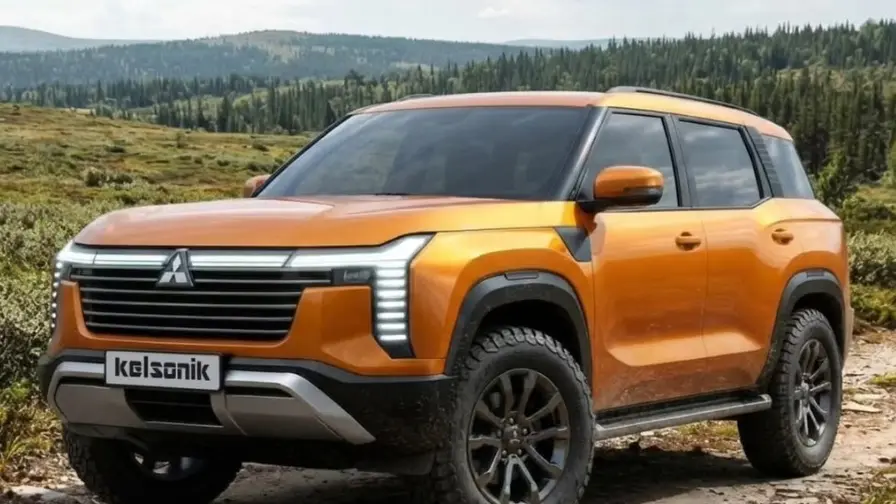
Automotive artists and industry watchers think so. New renderings of an all-new Volvo V90 Cross Country — dreamed up by digital designer Nikita Chuicko (aka kelsonik) — make a persuasive case that the classic station wagon could still be a strong contender in North America. The timing is noteworthy: Volvo plans to stop selling traditional wagons in the U.S. market in April 2026, yet imagination and market logic keep the idea alive.
Why the wagon conversation matters now
The U.S. market has tilted heavily toward SUVs, crossovers and pickups for years, but recent shifts — from the Ford F-150 Lightning ending production early to the uncertain fate of other high-profile electric pickups — show that preferences and politics matter. Removal of certain federal EV tax incentives has cooled EV demand in some segments, and that has pushed automakers to rethink product mixes for North America.
Volvo’s own U.S. lineup is changing: while the V60 Cross Country remains on sale as a mild-hybrid option, Volvo will reportedly withdraw traditional wagons from the American market after seven decades. That makes the kelsonik V90 renderings feel like both nostalgia and a strategic proposal: a large, stylish, rugged wagon that could slot between crossovers and full-size SUVs.
Design cues: Scandinavian simplicity meets rugged utility
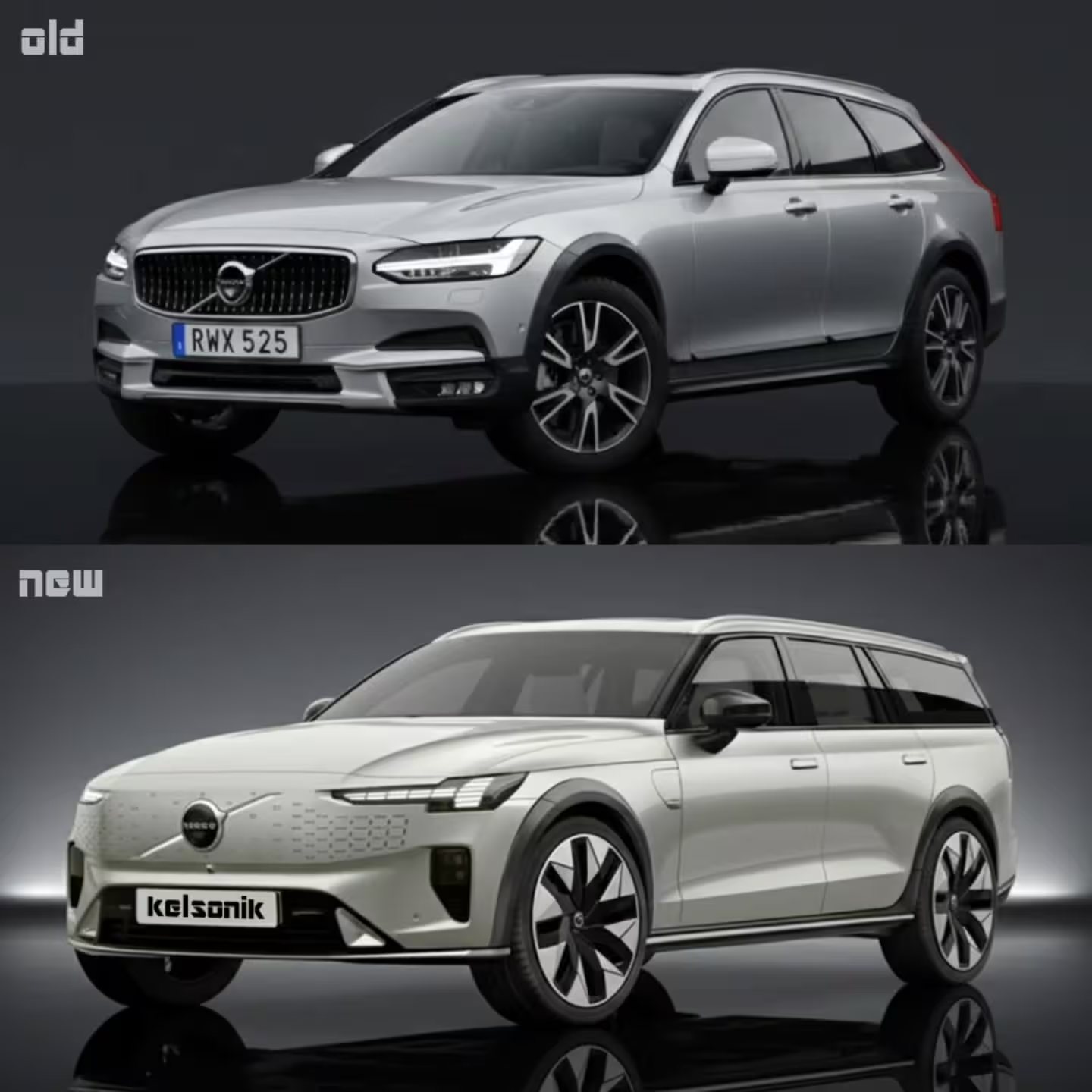
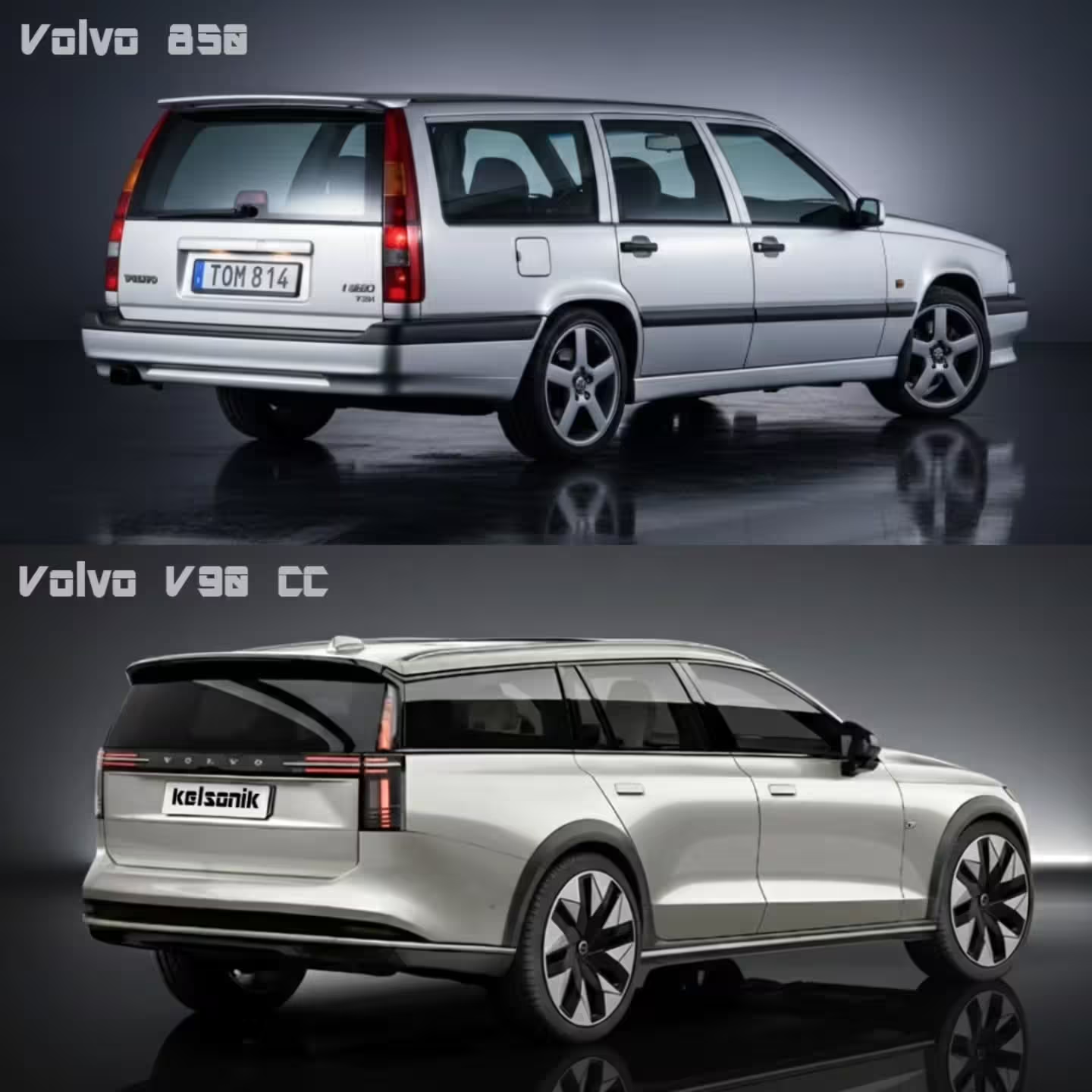
The concept combines family-car practicality with a ready-for-adventure stance. Front-end styling mirrors recent Volvo models — a closed grille treatment on some variants, pixel-style Thor's Hammer LED daytime running lights that echo the EX90 and EX30, and a clean, upright profile that maximizes interior cargo volume. Large side glass areas suggest roomy rear cargo space behind the second row, while a tall tailgate and T-shaped LED taillights give the rear a distinct, functional personality.
A visible charging port on the front left fender in the render hints at electrified propulsion, but the vision doesn’t necessarily lean all the way to battery-electric drive.
Powertrain: a practical long-range plug-in hybrid proposal
Instead of presenting the V90 Cross Country as a full BEV, the imagined North American specification borrows from the latest Volvo XC70 plug-in hybrid architecture. That long-range PHEV package mixes a 1.5-liter turbocharged gasoline engine with electric motors and a dedicated three-speed hybrid transmission. Two configurations are plausible for U.S. buyers:
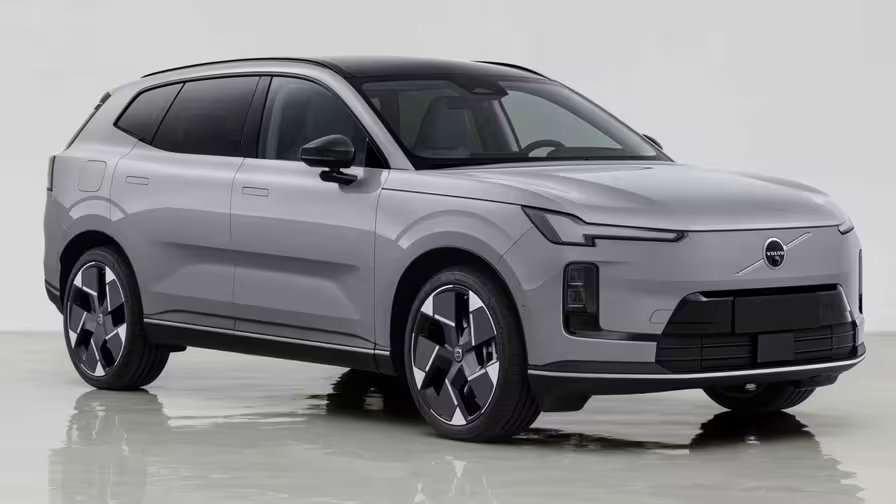
- FWD plug-in hybrid: around 312 hp with an estimated all-electric range near 72 miles (using a 21.2 kWh LFP battery).
- AWD plug-in hybrid: roughly 469 hp and a much larger EV range of about 131 miles (powered by a 39.63 kWh NMC battery).
Why two battery chemistries? The FWD model’s LFP (lithium iron phosphate) pack is less expensive and durable but has lower energy density. The AWD model’s NMC (nickel-manganese-cobalt) chemistry offers higher energy density and voltage, boosting range and performance — which explains the jump in EV miles for the AWD version.
How this V90 Cross Country could fit the market
A large V90 Cross Country aimed at North America would target buyers who want SUV practicality without the bulk — shoppers who prioritize cargo space, towing and long-range capability but prefer a car-like driving feel. It would sit alongside Volvo’s electrified family: the XC70 revival, ES90 sedan, EX90 flagship SUV and compact EX30.
Potential selling points:
- Spacious cargo area with a low, wide tailgate for easy loading
- Premium Scandinavian design inside and out
- Long electric-only ranges on higher-spec PHEV for commuter-friendly EV driving
- AWD capability for seasons or light off-road use
Quote highlight: "A modern V90 Cross Country could blend Volvo’s utility and electrification strategy, offering real-world EV miles without fully committing to a BEV architecture for the U.S. buyer," says one industry analyst.
Compare and conclude
Compared with small crossovers, a V90-style wagon would deliver a lower roofline and sleeker silhouette while retaining generous cargo capacity. Against full-size SUVs, it could undercut weight and price while offering similar versatility. Whether Volvo or another brand will revive a large wagon for North America remains uncertain, but the kelsonik renderings underscore a simple point: well-executed station wagons can still meet modern needs.
For enthusiasts watching model lineups and powertrain tech, the real question is which mix of battery chemistry, hybrid systems and packaging will make sense economically and practically. If Volvo’s engineers — or its competitors — find the sweet spot, we might see a practical, long-range PHEV wagon re-enter U.S. showrooms sooner than expected.


Leave a Comment
Comments (2)
wow this actually hits — clean lines, rugged vibe, kinda nostalgic and practical. PHEV instead of full BEV might be the clever play, imo
Is this even real? Looks slick but who buys a big wagon over an SUV now, especially with EV incentives so messy... if that's true pricing will kill it