
2 Minutes
Samsung is reportedly preparing a new Brain Health feature that could detect early signs of dementia by analyzing data from phones and wearables. The company plans to show the capability at CES next month in a standalone exhibition space.
How the feature reads your daily signals
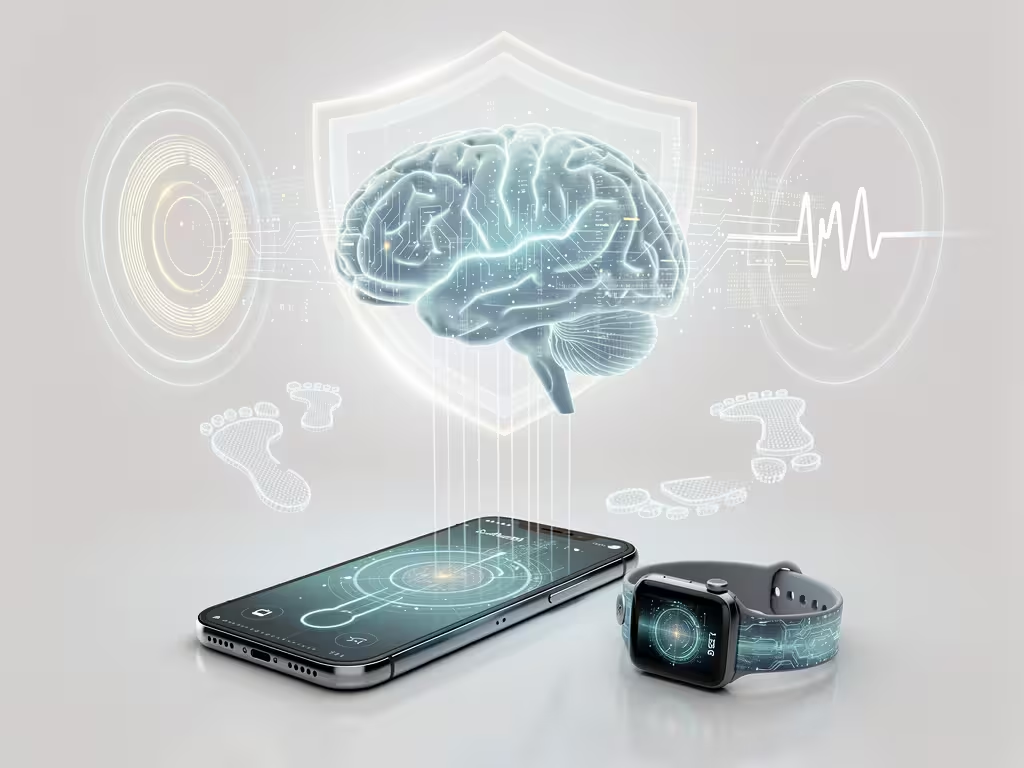
Rather than a single test, Brain Health combines multiple passive signals gathered by Samsung smartphones and smartwatches. Sources include gait patterns, subtle changes in voice, and sleep metrics. By correlating these indicators, the system flags patterns that may suggest cognitive decline and early-stage dementia.
What the app does if it detects risk
If the analysis suggests potential cognitive decline, Samsung’s feature will offer preventive guidance and a tailored brain training program. The idea is to nudge users toward lifestyle changes and exercises that could help preserve cognitive function. Whether these interventions materially slow decline remains to be proven, but the company says it developed the tool in-house and is now running clinical validation trials with medical partners.
Why CES matters for this announcement
CES is where giants test new ideas on a global stage. Samsung’s standalone exhibition signals this isn’t just a rumor — expect a demonstration that highlights how wearables and phones can shift from fitness tracking to early detection tools in preventive healthcare.
Privacy, validation and real-world impact
Several questions remain unanswered. How will Samsung protect sensitive cognitive data? Which medical institutions are involved in validation? And crucially, when will Brain Health be widely available? The company hasn’t disclosed a release date or detailed accuracy metrics yet. That makes it important for users and clinicians to treat early demonstrations as promising but preliminary.
Should you be excited — or cautious?
- Exciting: This expands preventive health features beyond heart and sleep tracking into neuroscience-informed signals.
- Cautious: Diagnostic tools require rigorous validation. Early detection raises ethical and support challenges if follow-up care is limited.
Imagine a future where your watch reminds you to consult a specialist before noticeable symptoms emerge. That’s the promise. But until trials publish results and regulators weigh in, Brain Health is a notable step — not a finished diagnosis tool.


Leave a Comment
Comments
No comments yet. Be the first.