

5 Minutes
A new era: why Audi's entry into Formula 1 matters
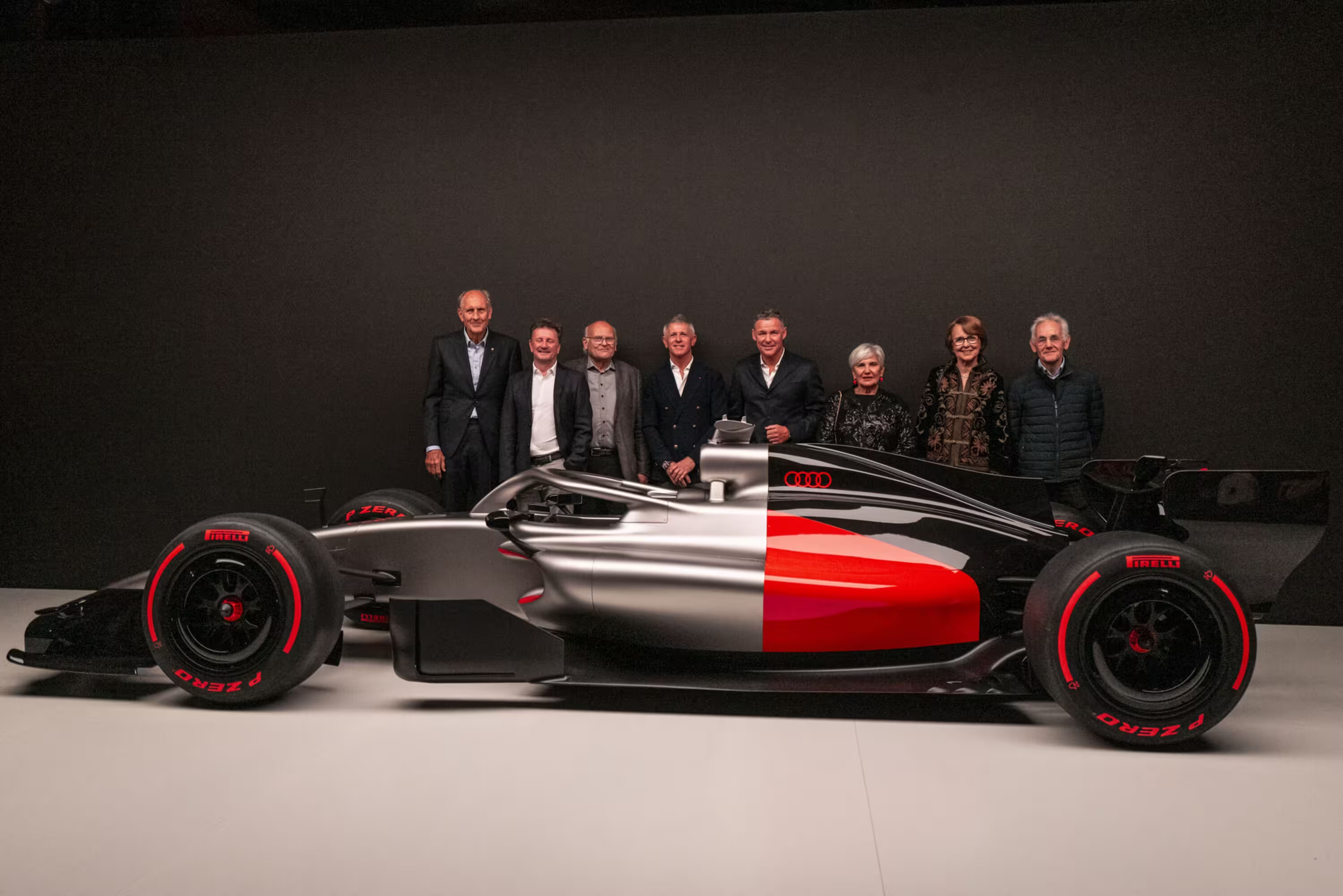
Audi's arrival in Formula 1 is more than another manufacturer joining the grid. For the first time in decades the four rings are stepping into the sport's top tier with serious resources, a bespoke power unit and a takeover of an existing squad. The timing — with sweeping technical regulations in 2026 — and the pedigree Audi brings from rallying, touring cars and endurance racing make this the most anticipated factory debut since Mercedes bought Brawn GP for 2010.
Testing starts on January 26 and intensifies through February, with the season opener set for the Australian Grand Prix on March 8. Those pre-season sessions will be the first public measure of how Audi's engine, chassis and operations integrate in race trim.
From Quattro to Le Mans: a motorsport résumé that matters
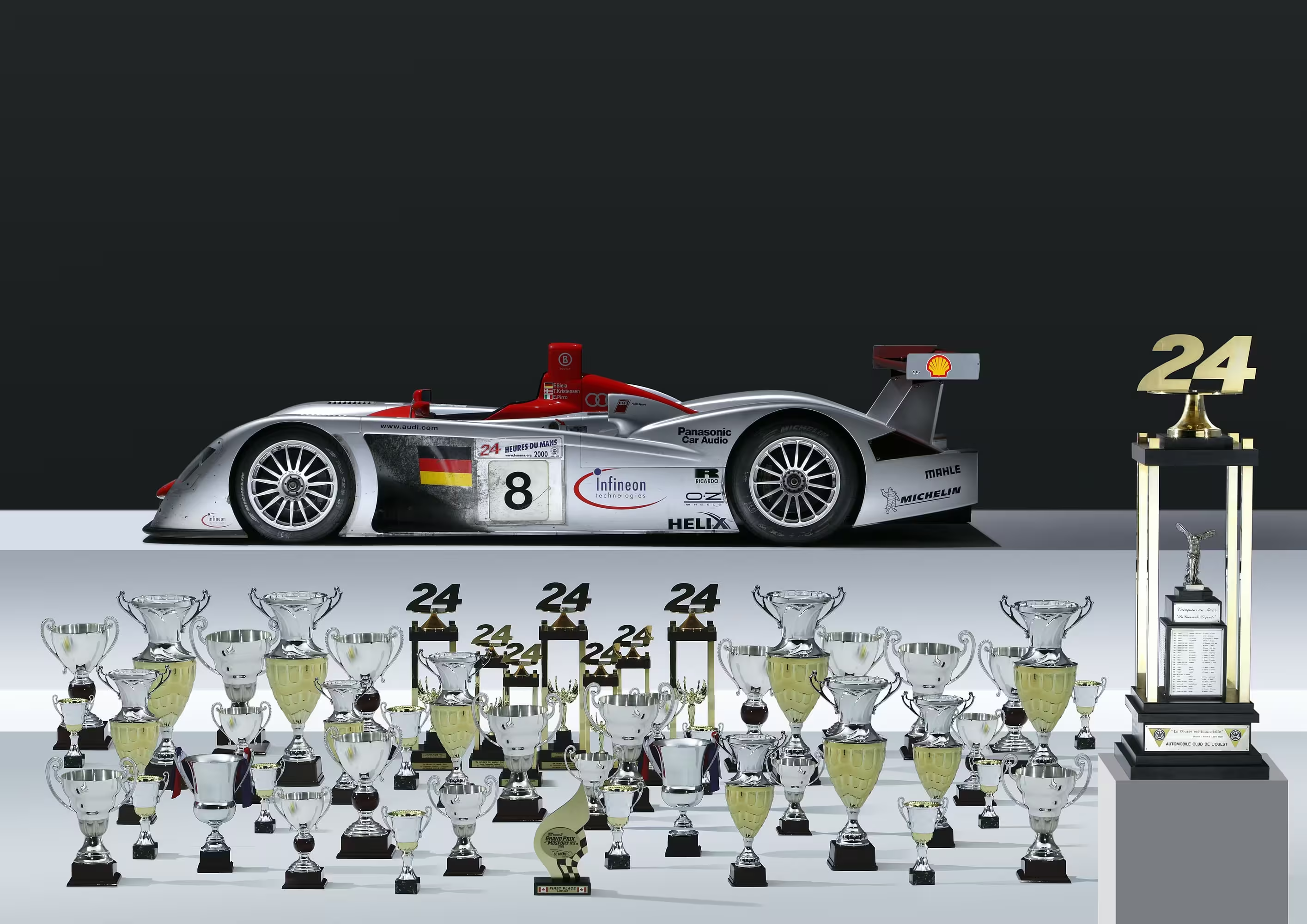
Audi may be new to modern Grand Prix racing, but it's not inexperienced. The brand disrupted rallying in the 1980s with its four-wheel-drive Quattro and won manufacturers' titles in 1982 and 1984. It dominated touring car championships in the 1990s with the A4 Quattro and became a powerhouse at Le Mans, taking 13 wins in 16 years and pioneering innovations such as diesel prototypes like the R10.
That history is relevant. Success in F1 is not automatic, but Audi's engineering culture, race operations experience and long-term focus on efficiency and reliability give it a head start in the complex world of hybrid powertrains and aerodynamic development.
Buying Sauber: a faster route than starting from scratch
Instead of creating a greenfield team as Toyota and Cadillac did, Audi invested in an established outfit, acquiring Sauber. That decision reduces the operational ramp-up and retains a working factory, pit crew and infrastructure. Sauber's 2025 season — 70 points and clear improvement over previous years — provides a solid baseline.
Key advantages of the Sauber route:
- Immediate access to an existing factory and F1 personnel
- A recent performance uplift to build from
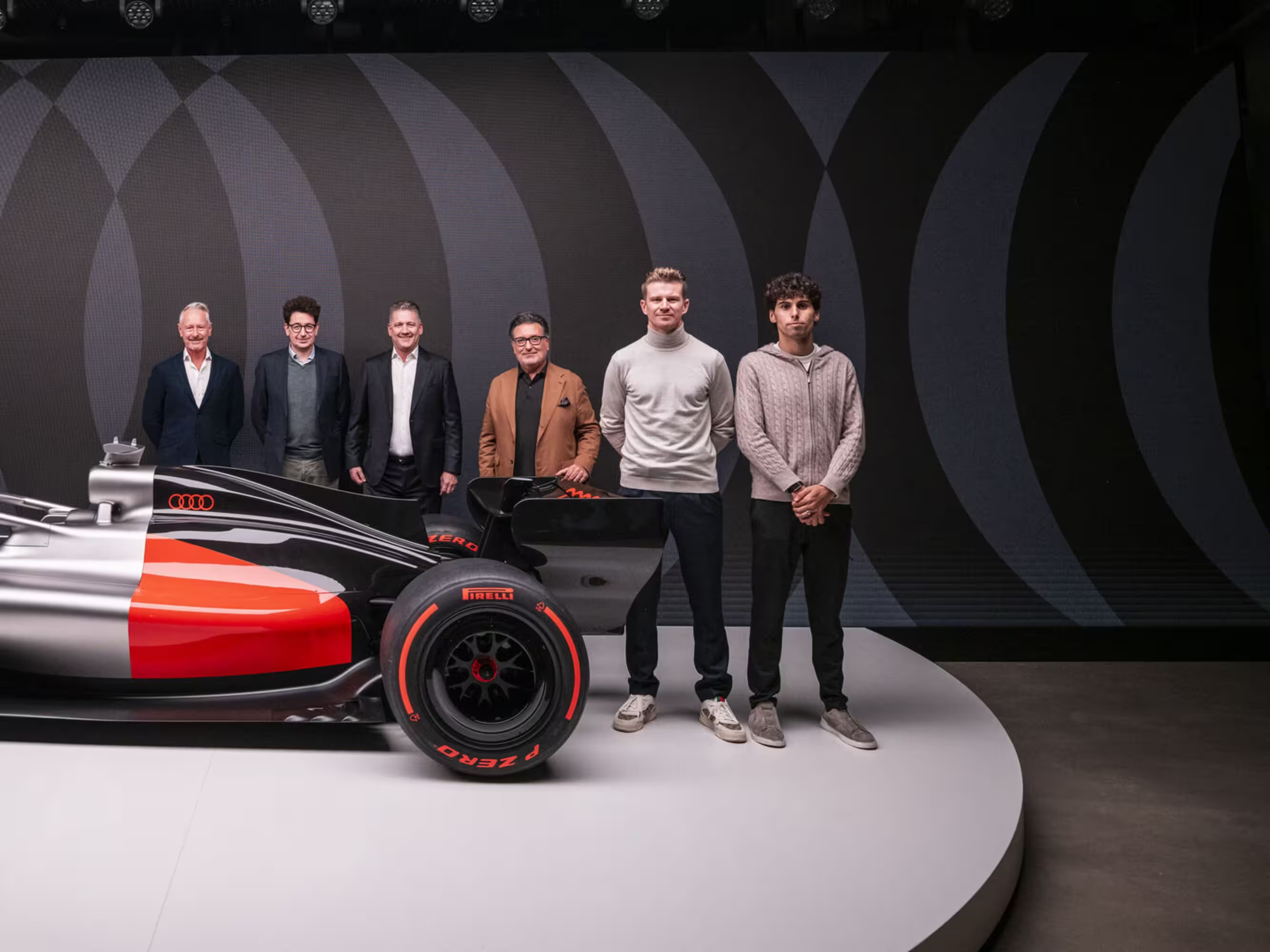
- A dual-driver lineup combining experience and youth: Nico Hülkenberg and Gabriel Bortoleto
Under team principal Jonathan Wheatley Sauber has tightened pit operations and race logistics, areas that previously cost the team pace. On the power unit side, former Ferrari technical chief Mattia Binotto brings invaluable engine development experience to Audi's bespoke unit.
Why the Mercedes comeback is a cautionary tale
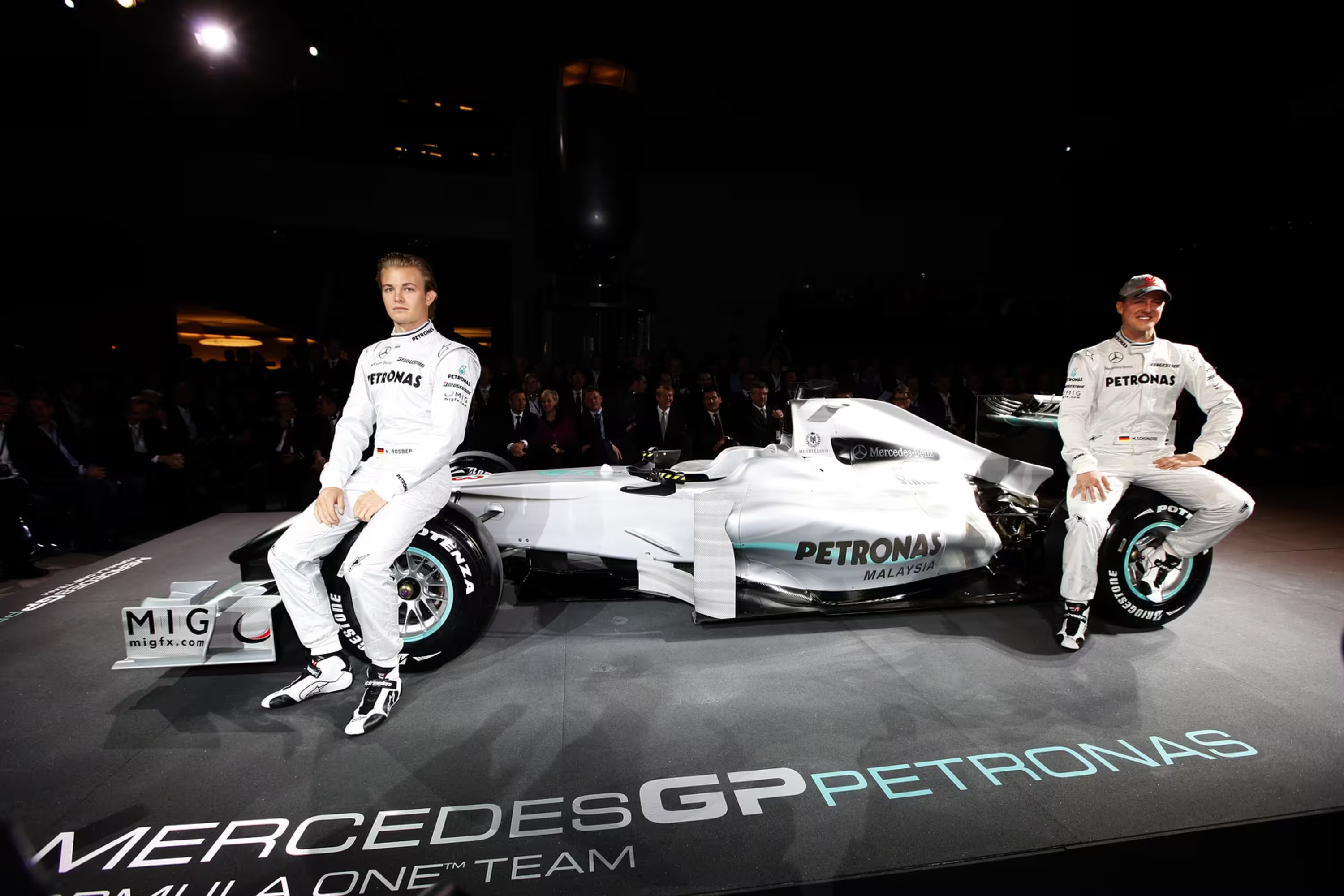
When Mercedes returned as a works team in 2010 after buying Brawn GP, expectations were sky-high. The reality was a slower climb: three seasons produced only a single victory before the turbo-hybrid era in 2014 shifted the balance and Mercedes became the dominant force.
The lesson for Audi is clear: even with top talent, existing technical staff and heavy investment, success in Formula 1 is incremental. Setting realistic short-term targets — rather than chasing immediate championships — will be vital.
Practical first-season targets for Audi
Audi must balance ambition with discipline. Realistic objectives for year one should include:
- Engine performance and reliability that competes with midfield rivals
- A chassis that allows drivers to extract lap time consistently across circuits
- Scoring at least half of Sauber's 2025 points tally, with strong showings on diverse track types
- Clean pitstops and race execution with minimal strategic errors
If Audi hits these checkpoints, the team can plan a bolder development push in year two.
Operational freedoms and corporate influence
.avif "How a Winter Day in London and a Rookie Surge Changed Formula 1: The Schumacher-Benetton-Ferrari Story")
One often-overlooked factor in manufacturer entries is how corporate governance interacts with race operations. Toyota and Jaguar suffered in part because boardroom pressures and non-racing executives intervened in technical and strategic decisions. Audi will need to grant the racing team autonomy to make fast, performance-driven choices — while still aligning with broader brand objectives.
As one seasoned team manager put it: 'Grand prix success comes from letting engineers and strategists do their jobs, and supporting them with clear, long-term investment.' That balance will shape whether Audi becomes a threat or a cautionary case.
Technical focus: power unit and chassis
The bespoke Audi power unit, developed with Binotto's expertise, will be under the microscope. F1's 2026 regulations reframe hybrid components, chassis packaging and aero rules, so Audi's hardware must be efficient, thermally well-integrated and reliable under race conditions.
Chassis-wise, the goal in year one is consistency. Radical innovations are tempting, but reliability and predictable handling allow drivers to extract performance while engineers iterate. Expect Audi to prioritise a baseline aero philosophy and concentrate development on incremental updates that deliver measurable gains across track types.
What success looks like
Short term wins that would mark a successful debut:
- Regular points finishes across the season
- Occasional Q3 appearances and competitive qualifying pace
- Strong strategic execution and fast pitstops
- No recurring reliability issues from the power unit
Longer-term, podiums and race wins will follow if development, budget deployment and organizational culture align.
Market positioning and brand impact
Beyond sport, Audi's F1 investment is strategic marketing and tech transfer. Success on the track reinforces premium positioning, electrified performance credentials and software-led engineering that trickles into road cars. For buyers and investors, a credible F1 programme signals technical leadership.
Bottom line
Audi's entrance to Formula 1 is a headline-making moment with real technical and commercial implications. It is the most watched manufacturer debut since Mercedes' acquisition in 2010 because of Audi's motorsport legacy, the choice to build on Sauber, and the high stakes of 2026's new regulations. But the roadmap is simple: build a reliable, competitive power unit, give the chassis time to mature, protect the racing team from needless interference, and set achievable targets in year one. Achieve that, and the four rings could reshape the midfield — and perhaps the podiums — in the seasons that follow.
Quote: 'F1 rewards patience and precision. Audi has the toolkit; now it's about execution,'
Highlights:
- Testing begins January 26; season opens March 8 in Australia
- Drivers: Nico Hülkenberg and Gabriel Bortoleto
- Sauber scored 70 points in 2025, a useful springboard
For motorsport fans and industry watchers, the coming season will be Audi's first true test under race conditions. Expect close attention to reliability reports, qualifying performance and how quickly the team turns data into pace on track.









Leave a Comment
Comments (2)
wow Audi in F1? didnt see that coming. Quattro to Le Mans creds are legit, excited for testing Jan 26. if the PU is reliable they could shake up the midfield fast!!
Feels a bit overhyped. Audi has the cash and history, sure, but F1's a different beast. Hope they keep engineers in charge, not execs, otherwise wins could take ages. still curious tho