
3 Minutes
Tesla's year closes with weaker-than-expected delivery figures
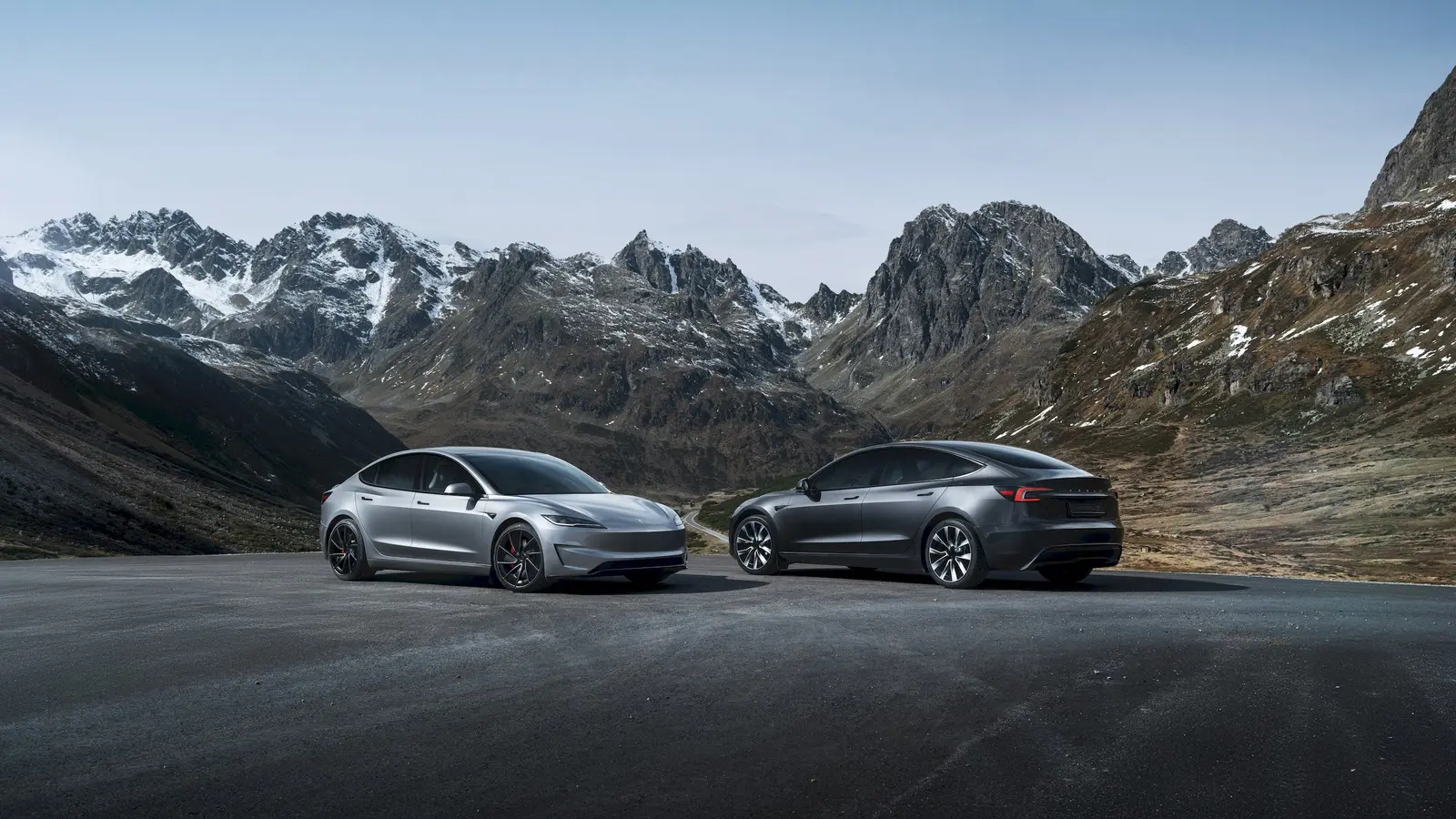
Tesla closed 2025 with final numbers that undercut even the conservative estimates it had shared days earlier. The electric-car pioneer reported 418,227 deliveries in the fourth quarter, below the company-compiled consensus preview of 422,850 and well under what many analysts hoped would salvage the year. Production, however, remained higher than deliveries: Tesla built 434,358 vehicles in Q4, pointing to a growing demand gap as inventory began to accumulate.
Key figures at a glance
- Q4 2025 production: 434,358 vehicles
- Q4 2025 deliveries: 418,227 vehicles
- Full-year 2025 production: 1,654,667 vehicles
- Full-year 2025 deliveries: 1,636,129 vehicles
- Energy storage deployments (Q4): 14.2 GWh
On an annual basis Tesla's deliveries fell 8.5% versus 2024, while the fourth quarter decline reached about 15.6% year-over-year. Those are meaningful drops for a company that has long been synonymous with rapid EV growth.
Production vs. deliveries — a demand problem
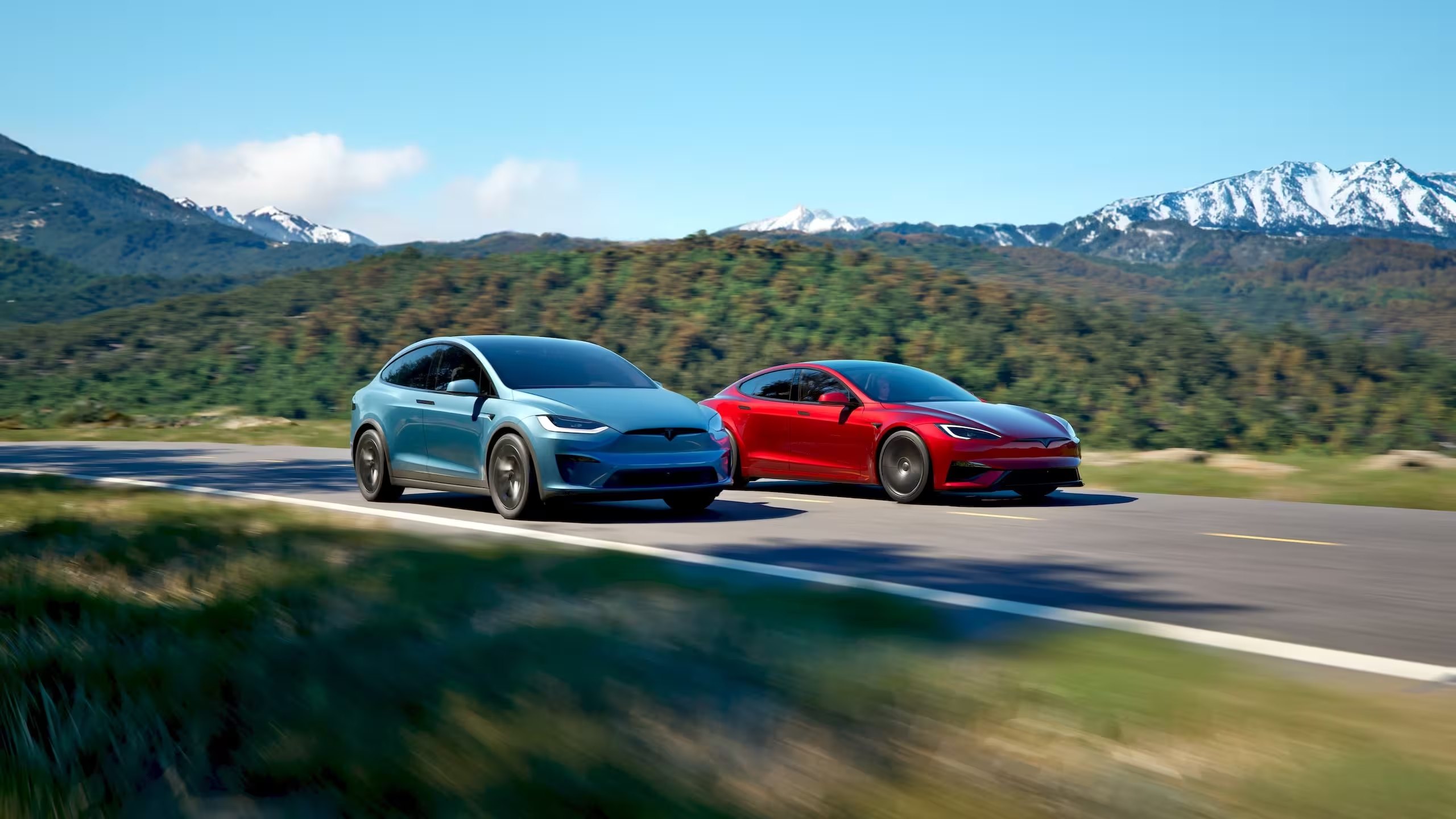
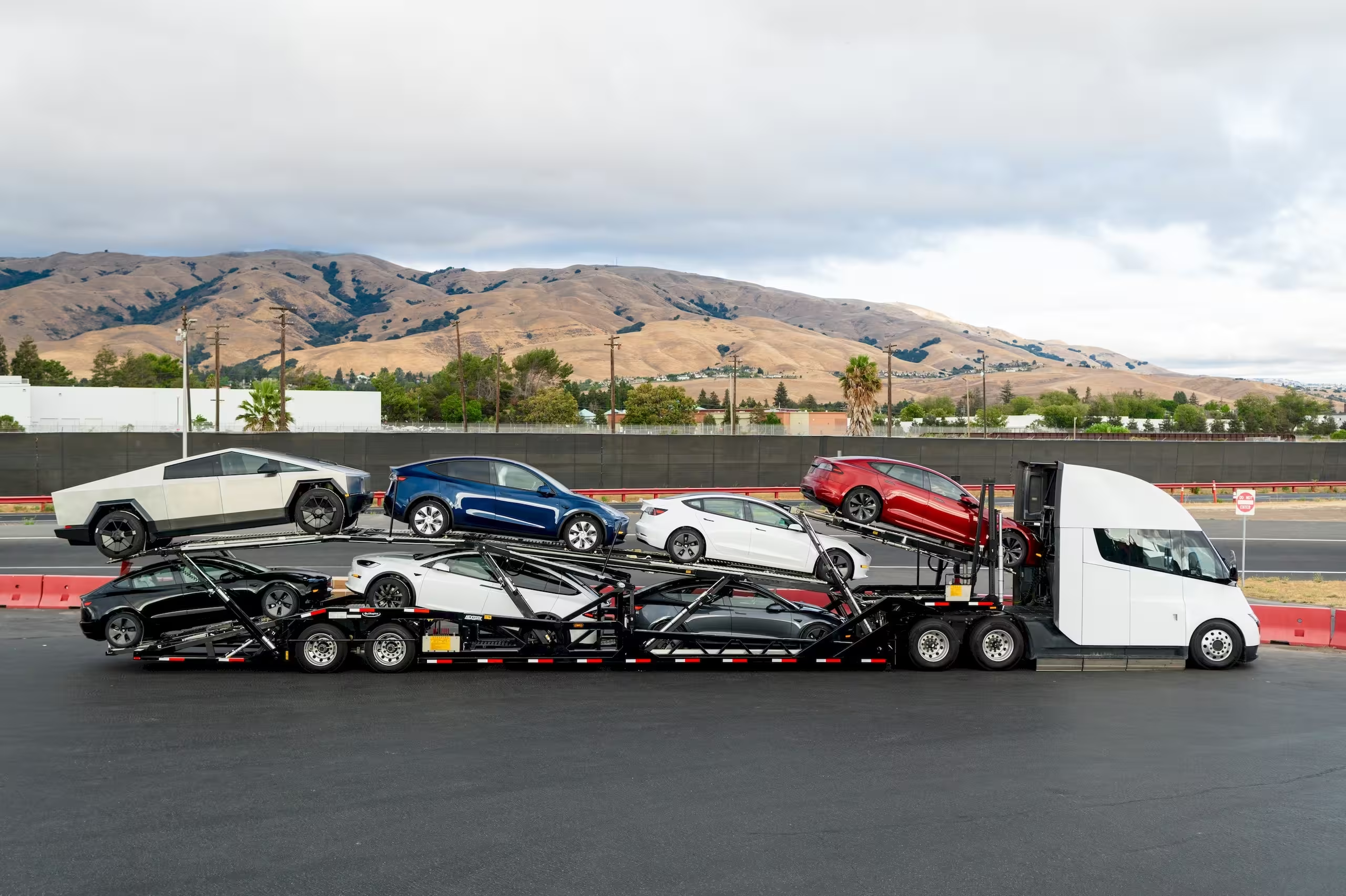
The production-to-deliveries gap is the most telling detail. Tesla produced roughly 16,000 more vehicles than it delivered in Q4 and ended the year with around 18,538 more vehicles produced than handed over to customers. That divergence suggests the issue isn't factory throughput but consumer demand — or pricing and positioning relative to increasingly competitive alternatives.
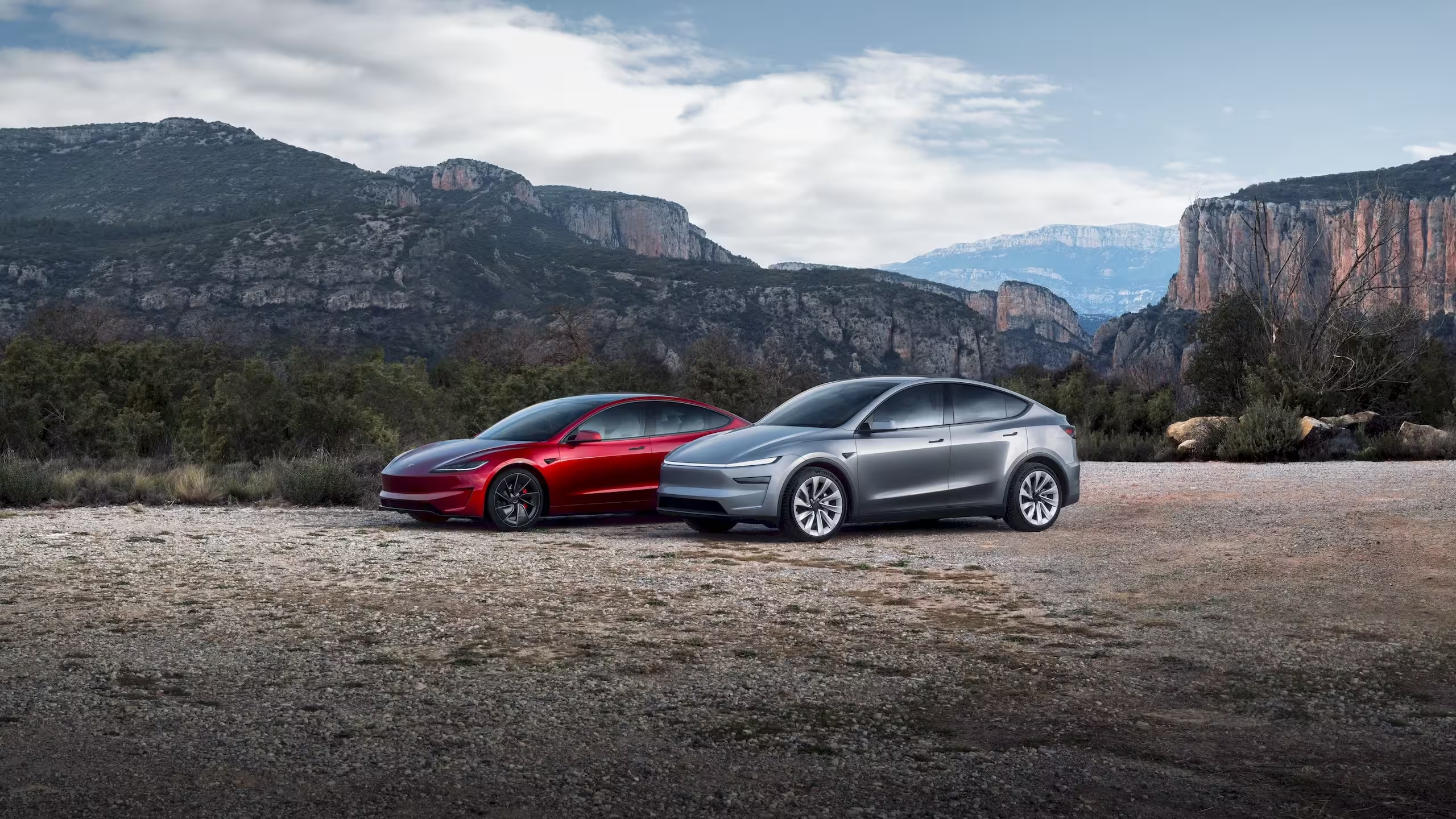
Even after rolling out lower-cost Standard Range versions of the Model 3 and Model Y and testing new variants such as the long-wheelbase Model Y L (currently offered in China), Tesla hasn't been able to restore the growth trajectory. In some regions — particularly Europe — consumer preferences for smaller, more affordable EVs and the influx of Chinese brands are reshaping the competitive landscape faster than Tesla expected.
Cybertruck and high-end models stumble

One of the more striking details in the results: deliveries of so-called "other vehicles" — a category that includes the Model S, Model X and Cybertruck — plunged. Tesla reported just 11,642 deliveries in that group for Q4, a roughly 50% year-over-year decline. That suggests Cybertruck demand has largely evaporated since its launch, despite founder Elon Musk directing some fleet purchases internally.
Quote: "Tesla only delivered 418,227 vehicles in Q4, a number that raised eyebrows because production remained strong — the problem appears to be demand," said one industry analyst.
Market context: tax credits, aging models, and tougher rivals
Several macro and company-specific factors converged for Tesla in 2025. The federal EV tax credit that had helped spur purchases in prior periods waned for many buyers, while Tesla's model lineup showed its age in some markets. Most concerning for investors is that Tesla doesn’t have a clear wave of fresh mainstream models lined up to reignite demand.
Meanwhile, Chinese automakers have aggressively expanded into Europe and other regions with feature-packed, competitively priced EVs. Where Tesla once dominated on perceived technology and brand, rivals now compete on price, range, and features, narrowing Tesla’s advantages in markets such as China and Western Europe.
What could turn things around?
- New competitive models with fresh designs and value-packed features.
- More aggressive pricing or targeted incentives in key markets.
- Localization and improved options for smaller vehicles tailored to Europe.
- Concrete progress on software and battery cost reductions.
Tesla remains a major EV manufacturer and energy company, but EV revenue is showing signs of softening quarter by quarter. Absent new volume catalysts, 2026 looks challenging: intensified competition in China and Europe, combined with no immediate model refreshes, could keep deliveries under pressure.

For car enthusiasts and investors alike, the headline is clear: Tesla's factories are humming, but the market appetite has cooled. The coming year will test whether Tesla can regain momentum through price, product, or technology leadership — or whether it must adapt to a more crowded, price-sensitive EV market.






Leave a Comment
Comments (2)
Is Tesla overproducing or misreading demand? 16k extra cars in Q4, aging lineup and price wars in Europe — how do they turn this around fast..
Wow, didn't expect that, deliveries dipped hard. Factories humming but buyers gone, Cybertruck tanked and Chinese rivals eating market. No fresh models + fading tax credits = rough 2026. sigh