
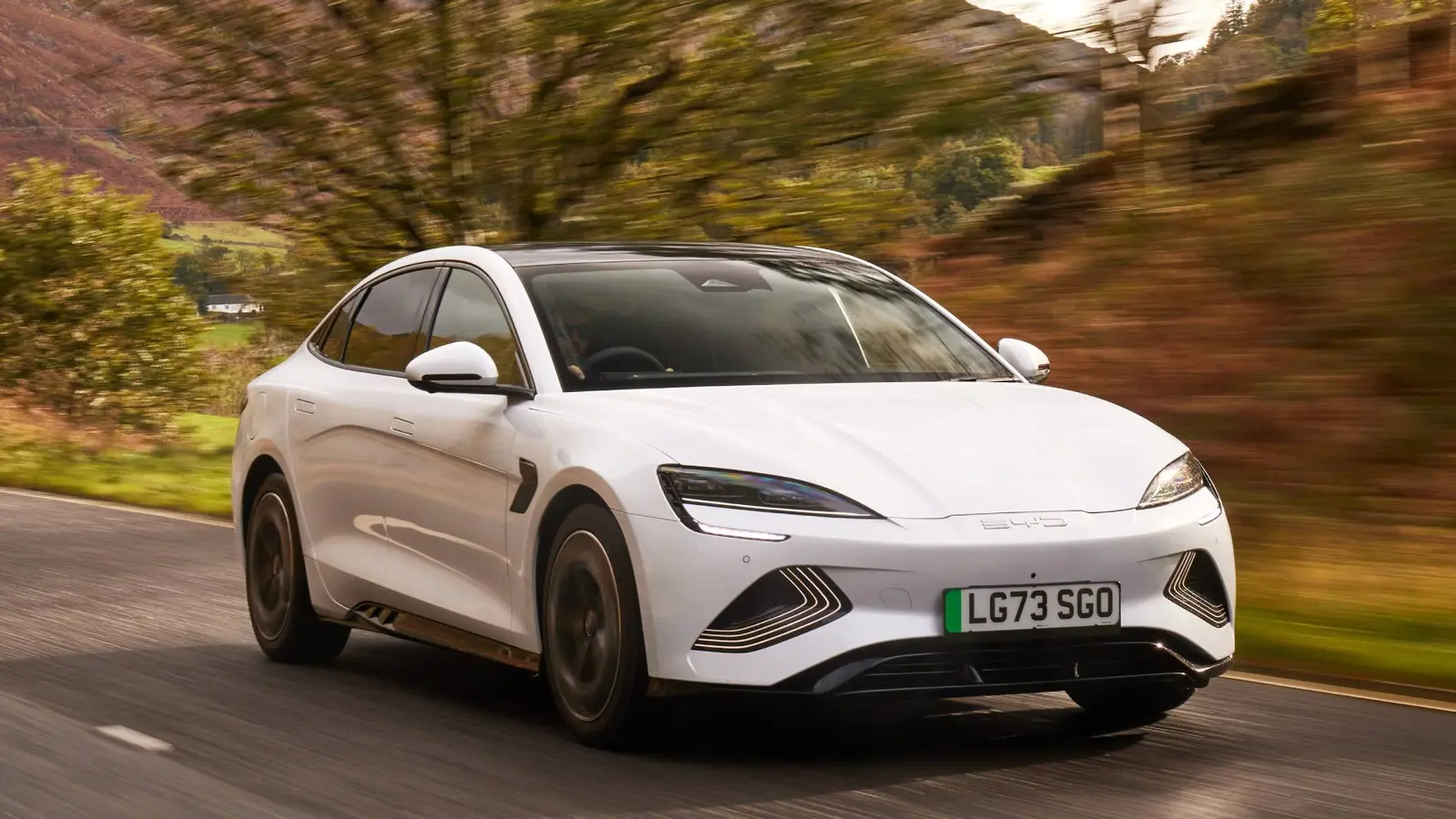
China's electric-car boom meets a painful correction
Chinese electric vehicles have stormed global markets—exports jumped an eye-catching 87% year‑on‑year in November—yet beneath those bright figures a deep fracture is forming. Analysts and industry insiders warn that 2026 will be a decisive year: a large-scale shakeout that could push dozens of marginal EV makers out of business.
Why 2026 could be a turning point
A South China Morning Post investigation found roughly 50 loss-making EV manufacturers in China that may face large layoffs or full shutdowns next year. Domestic new-car deliveries are forecast to fall as much as 5%—the sharpest decline since 2020. For many small assemblers, next year’s balance sheet will be a matter of survival.
"Time is against companies that can't win over younger drivers," a parts-industry executive told reporters. "For most loss-making assemblers, next year will decide life or death." The message from investors is the same: the era of easy funding for EV startups is over.
Policy moves in Beijing: the immediate trigger
All eyes are on decisions coming in January from Beijing. Two government measures are especially critical:
- A planned ruling on the 20,000-yuan (~$2,900) cash incentive for vehicle replacement.
- A step-down of the purchase tax: the current 10% relief will drop to 5% in January and is scheduled to return to full levels by 2028.
Those policy shifts will directly affect affordability and demand. Price wars that once made low-cost EVs accessible to millions have severely compressed margins. With investors less willing to bankroll losses, only manufacturers with robust cost structures and scale will persist.
Who stands a chance — and who doesn't?
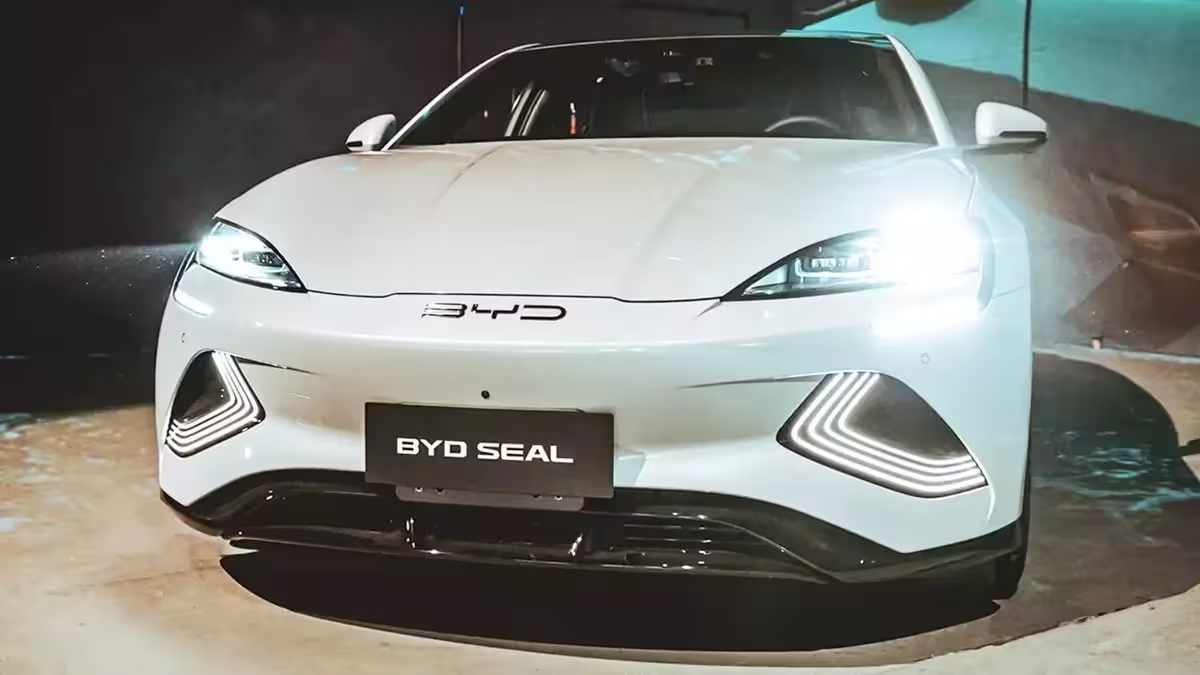
Consultancy AlixPartners estimates only about 10% of Chinese EV brands will remain profitable and sustainable in the coming years. Large, vertically integrated players such as BYD, Li Auto and Seres (Sero) are rare survivors; they have scale, supply-chain control and growing export strategies.
Meanwhile, some challengers have attracted lifelines. Leapmotor, backed by Stellantis, secured a high-profile investment when state-owned FAW bought a 5% stake for $534 million. It’s the first time a Chinese state automaker has directly invested in a private EV startup — a sign that Beijing (and state groups) may selectively support promising players.
Leapmotor's targets are ambitious: 1 million vehicle deliveries in 2026, which would position it as China’s third-largest brand behind BYD and Geely, and an eventual goal of 4 million units annually within a decade. Achieving those numbers will require rapid production scale-up, reliable supplier partnerships (especially for batteries and semiconductors) and strong export execution.
What winners need to succeed
Survivors will likely share several traits:
- Strong margins and clear path to profitability
- Vertical integration (battery, software, manufacturing)
- Export-ready product lines and brand recognition overseas
- Effective cost control and pricing strategy
Market implications and what to watch
For global car enthusiasts and industry watchers, the coming 12–24 months will reveal which Chinese EV business models are replicable outside domestic subsidies and price competition. Expect consolidation, strategic partnerships (including more state-private deals), and a focus on quality, user experience, and export markets.
Quote to remember: "The golden age of fundraising for EV startups is over. Now it's a survival game," said investor Yin Ran. The winners will be those who turned scale and technology into real profits; the rest may vanish from the market.
Key takeaways: rising exports and surging demand have masked structural weaknesses in China’s EV sector. With subsidy rollbacks and a harder investment climate, 2026 could be the year dozens of brands either consolidate or disappear—while a small group emerges stronger and more globalized.
.avif "China’s Electric Vehicle Market Surges: Week 30 Registration Breakdown and Industry Insights")

Leave a Comment
Comments
No comments yet. Be the first.