
3 Minutes
BYD dethrones Tesla: the global EV leaderboard shifts
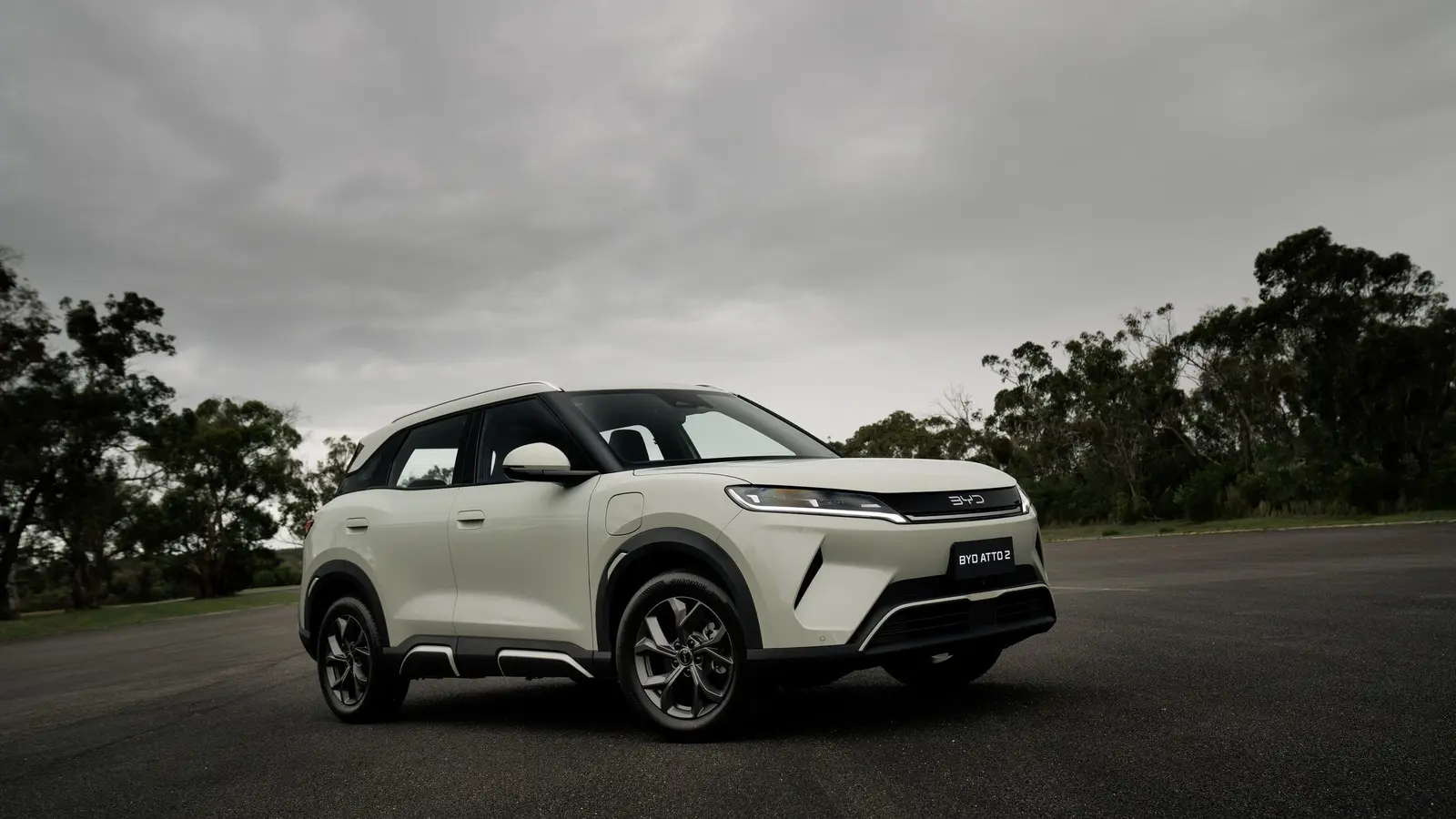
BYD has leapfrogged Tesla to become the world's largest electric-vehicle maker for the first time, marking a major turning point in the global EV market. After a strong year of growth, the Chinese automaker reported EV sales that pushed it past Tesla’s annual totals — a sign of how fast competition in the electric vehicle sector is intensifying.
Numbers that tell the story
In 2025 Tesla’s global deliveries fell by nearly 9% to about 1.64 million vehicles, the company’s second consecutive year of decline. BYD, by contrast, increased output by roughly 28%, selling more than 2.25 million EVs and reporting total vehicle volumes of about 4.6 million for the year. Those figures underline BYD’s rapid scaling across both battery-electric and plug-in hybrid segments.
Where the growth is coming from
BYD’s international expansion has accelerated. The United Kingdom is now BYD’s largest market outside China, with year-on-year growth of roughly 880%. The brand is also growing sales in Europe, Southeast Asia, and Latin America. Competitive pricing, strong driving range, and diversified model lineups — from compact city EVs to larger SUVs — have helped BYD gain market share from established names.
"Range and value have been BYD’s biggest advantages," analysts say. "They deliver competitive range figures at lower price points than many rivals."
- BYD strengths: aggressive pricing, improved range, wide portfolio
- Tesla challenges: falling deliveries, regulatory hurdles, demand softness
- Market reaction: customers exploring alternatives from Geely, MG and others
Why Tesla slipped
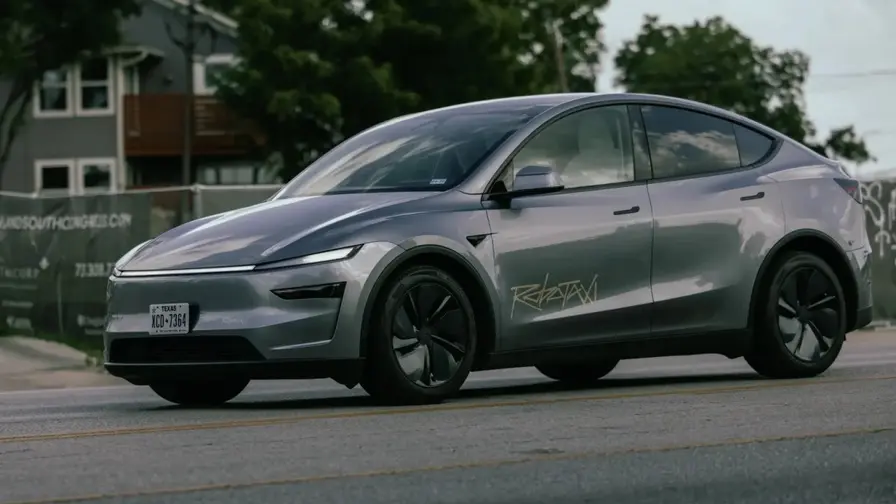
Several factors contributed to Tesla’s decline. The Cybertruck underwhelmed in popularity and encountered safety compliance issues in China and Europe — two crucial non-U.S. markets. Sales were also hit by the expiration of a U.S. federal EV tax credit of up to $7,500 after September 30, 2025, which had previously supported demand. Promotional discounts on refreshed Model 3 and Model Y variants did little to reverse the trend.
Political headwinds played a role as well. Public backlash over CEO Elon Musk’s political stances reportedly influenced some buyers to switch brands, and Musk’s growing commitments outside Tesla — including roles at SpaceX and other ventures and a brief government post — prompted investor conversations about management focus.
Market implications and manufacturer responses
The rise of BYD highlights a broader shift in the auto industry: many Chinese OEMs now combine compelling range figures with lower costs, pressuring legacy automakers that bet heavily on EVs. Meanwhile, a number of traditional carmakers — notably Ford, Stellantis and General Motors — have paused or scaled back aggressive EV rollouts and are refocusing on hybrid models and further development of internal-combustion engines.
For consumers, the immediate consequences are clear: more choice, tighter pricing, and a faster pace of new models and technologies. For legacy automakers and Tesla, the race now centers on balancing product quality, regulatory compliance, pricing strategy, and brand perception.
Looking ahead
BYD had been preparing to enter the U.S. market but reportedly adjusted plans after higher tariffs on imports were introduced. Whether BYD will find a pathway to the U.S. or double down on markets where regulatory and pricing environments are friendlier will be a key storyline in 2026.
Key takeaways:
- BYD has overtaken Tesla in annual EV sales in 2025.
- Tesla’s deliveries fell due to demand headwinds, compliance issues, and policy changes.
- Chinese EV makers’ competitive pricing and range continue to reshape global EV competition.
Quote
"This is not just a leaderboard change — it’s a reminder that scale, price and regulatory agility win in the EV era," said an industry analyst.

Leave a Comment
Comments
No comments yet. Be the first.