
3 Minutes
Altima Z concept: a bold CGI, not a production plan
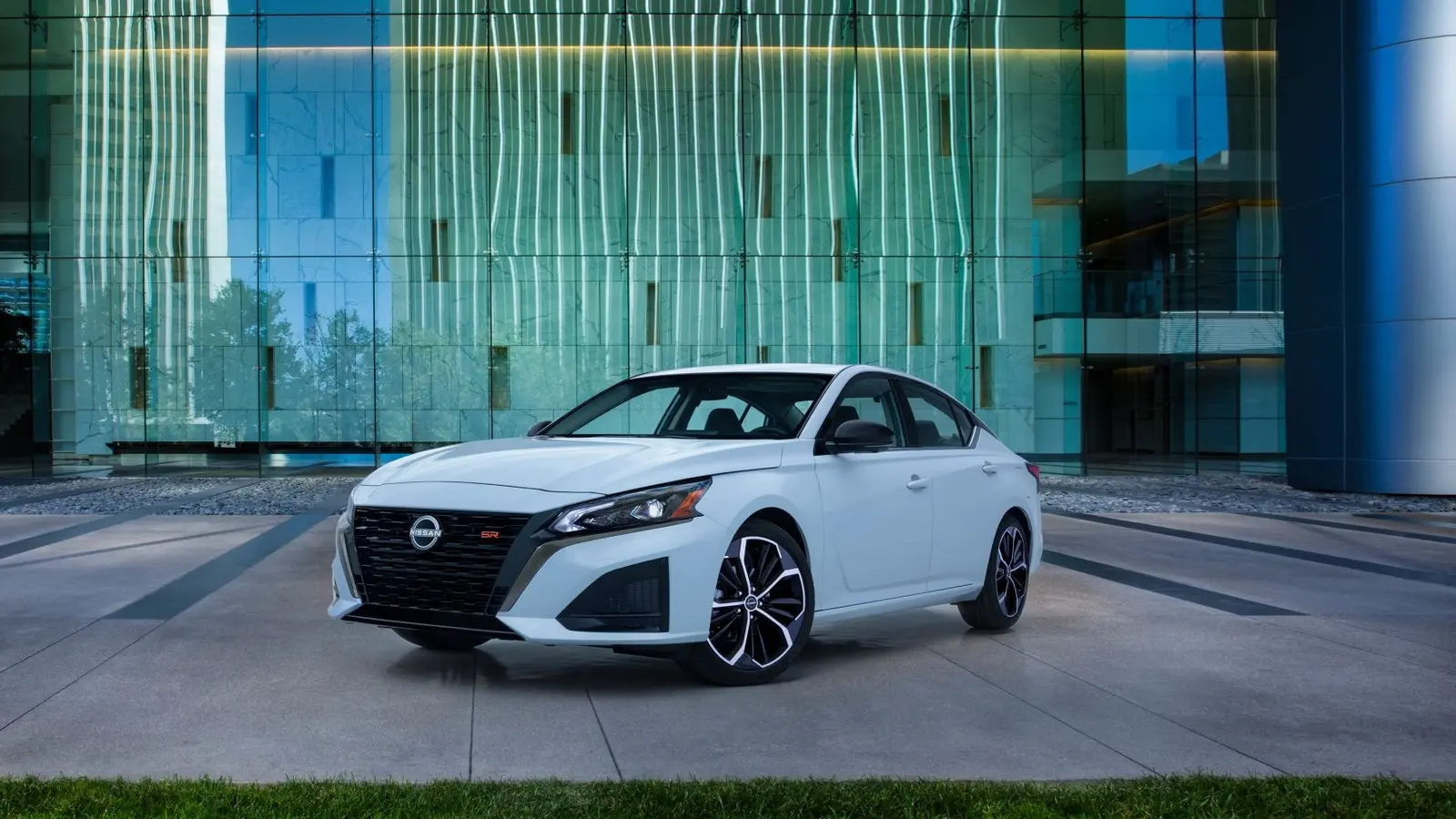
A recent rendering by Instagram artist @jlord8 reimagines the Nissan Altima as a full-blown 'Altima Z' — a four-door sports sedan that borrows styling cues from the Nissan Z Nismo and the Infiniti Q50 Red Sport 400. The result is dramatic, aggressive and clearly meant to provoke: wide haunches, a low roofline and motorsport details you wouldn't expect on a mid-size family sedan.
But as exciting as the CGI is, this Altima Z is essentially fantasy. In today's market the business case for a high-performance Altima just doesn't add up, and Nissan has little incentive to invest heavily in reviving sporty sedan variants when crossovers and SUVs dominate buyer demand.
Why an Altima Z is unlikely
- Sedans have been losing ground to crossovers and SUVs across Western markets, shrinking the audience for performance-focused mid-size four-doors.
- Nissan's current Altima lineup is conservative and cost-conscious; spending on a bespoke performance powertrain and reengineered platform would be expensive.
- The existing Altima architecture is dated compared with modern rear-wheel-drive sports cars, making it impractical to transplant a Z Nismo powertrain without major changes.
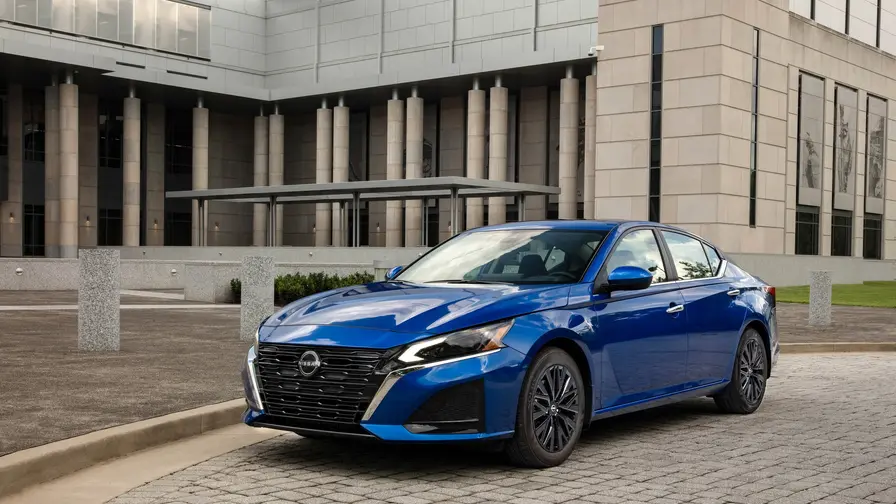
How the real 2026 Altima stands
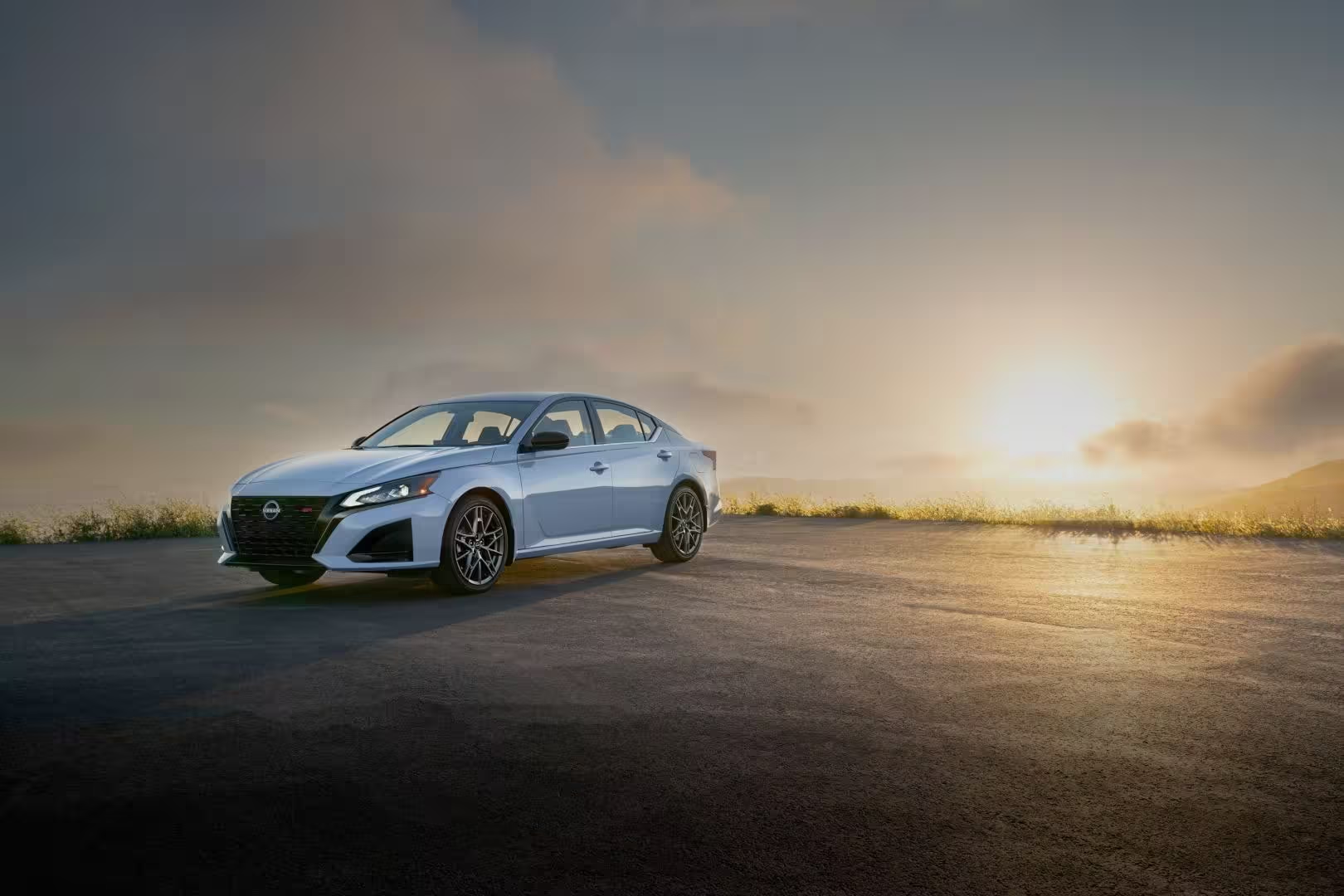
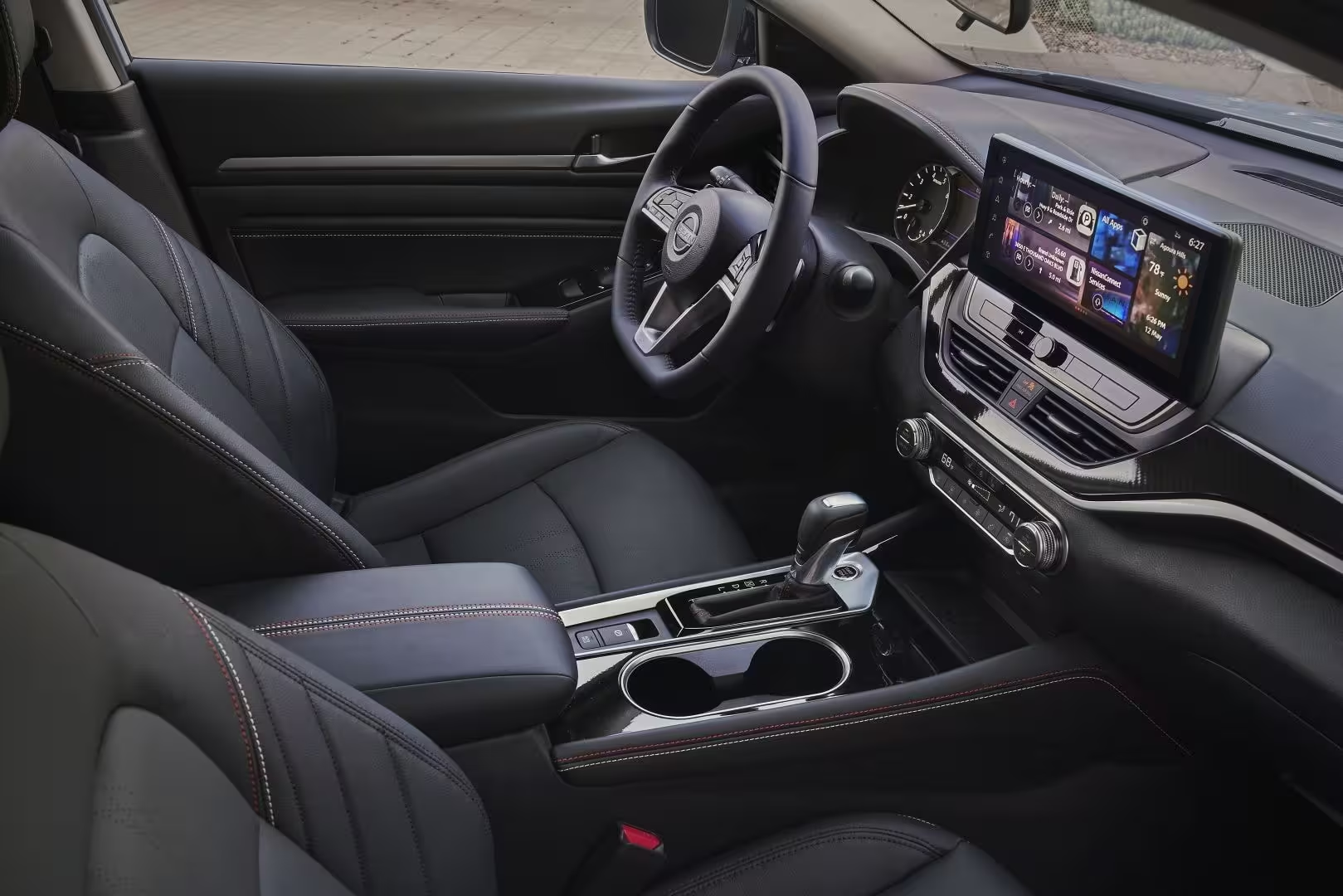
The production 2026 Altima is alive, but more restrained. Nissan simplified the lineup by dropping the S and SL grades and added a Midnight Edition based on the SR. Pricing nudged upward, with the entry point now at about $27,580, roughly $580 more than before. Every Altima continues to use the 2.5L four-cylinder, producing 188 hp and 180 lb-ft of torque, paired to a continuously variable transmission. Buyers can choose front-wheel drive or pay an estimated $1,400 for all-wheel drive.
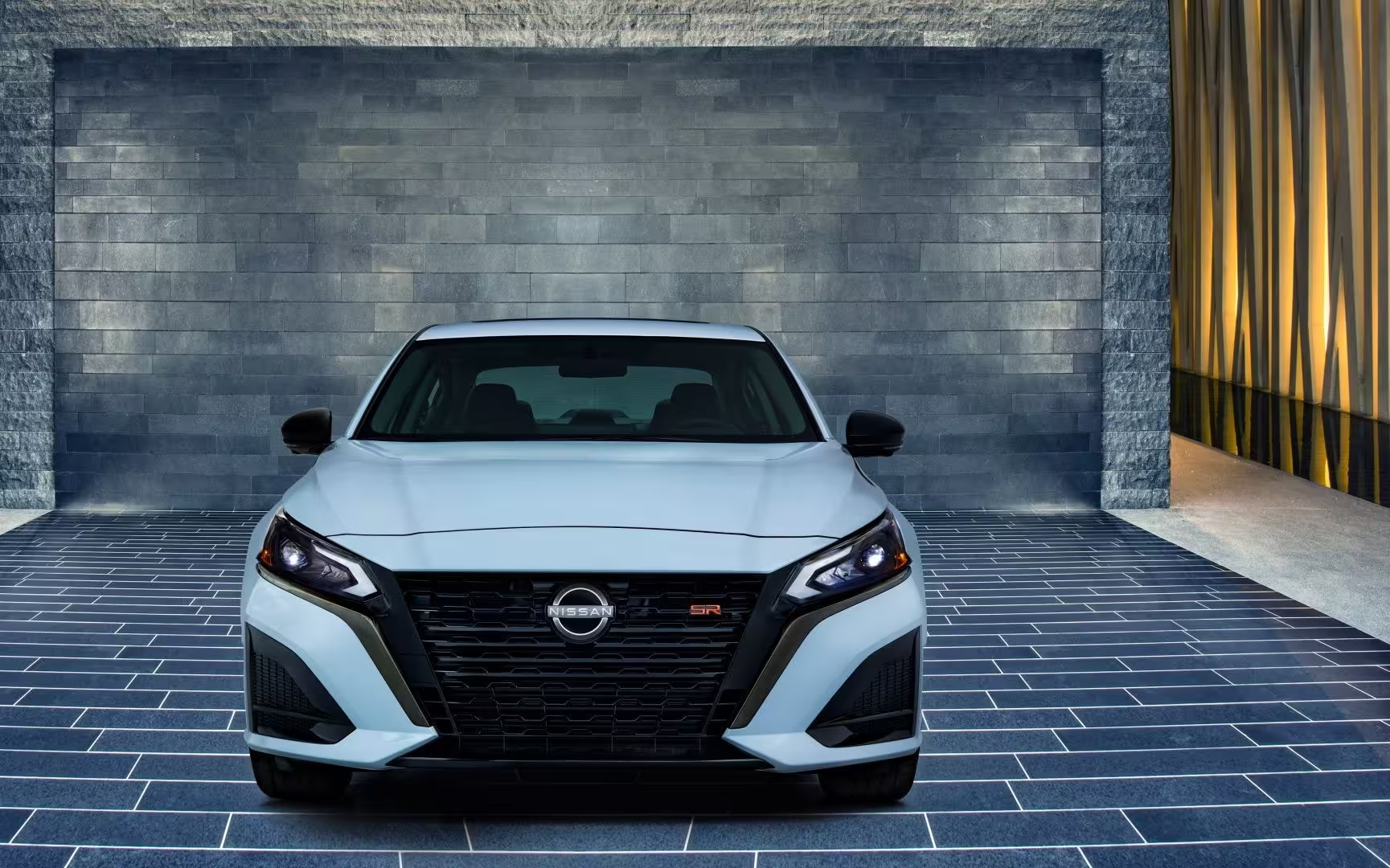
That 2.5L engine and CVT provide solid efficiency and everyday usability, but they are far from the pulse-quickening hardware an Altima Z would need to stand apart from the standard model.
Where the Z Nismo comparison falls short
The Z Nismo brings a 3.0L twin-turbo V6 developing around 420 hp and roughly 384 lb-ft of torque, routed through a 9-speed automatic and a rear-wheel-drive layout. Translating that performance into an Altima would require not just a more powerful engine, but a different drivetrain architecture, reworked chassis and upgraded cooling, brakes and electronics. In short, it would be closer to engineering a new car than a trim level.
Would an Altima Z make sense?
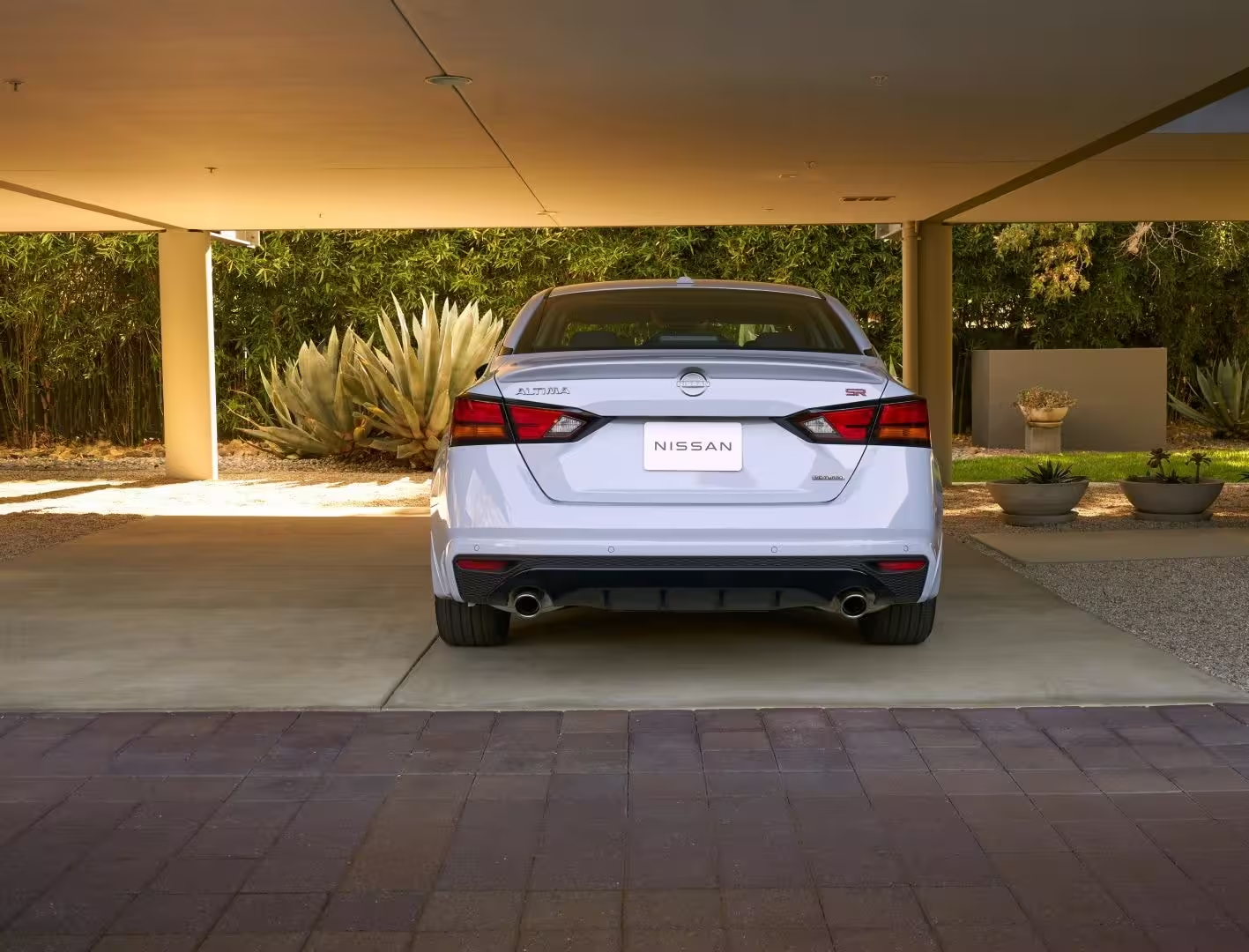
From a styling perspective the rendered Altima Z looks like it could steal headlines and attract enthusiasts. From a business perspective, however, it would be a tough sell. A high-performance sedan has limited global demand, and Nissan is unlikely to divert scarce resources away from electrification, SUVs and profitable crossovers.
Highlights:
- Imagined inspiration: Nissan Z Nismo and Infiniti Q50 Red Sport
- Real Altima 2026: 188 hp 2.5L, CVT, FWD or AWD option
- Business reality: sedans shrinking in share, high development cost for true Z performance
If you enjoyed the CGI, you aren't alone. Enthusiasts love to picture mainstream models getting halo versions. But unless Nissan changes strategy and decides to invest in a dedicated platform for performance sedans, the Altima Z will remain a wishful rendering rather than a showroom reality.
Would you have bought the Altima Z if it were real? Let that question sit with the broader debate over the future of sports sedans in an SUV-obsessed market.


Leave a Comment
Comments
No comments yet. Be the first.