
3 Minutes
NVIDIA DRIVE AV arrives in the Mercedes‑Benz CLA
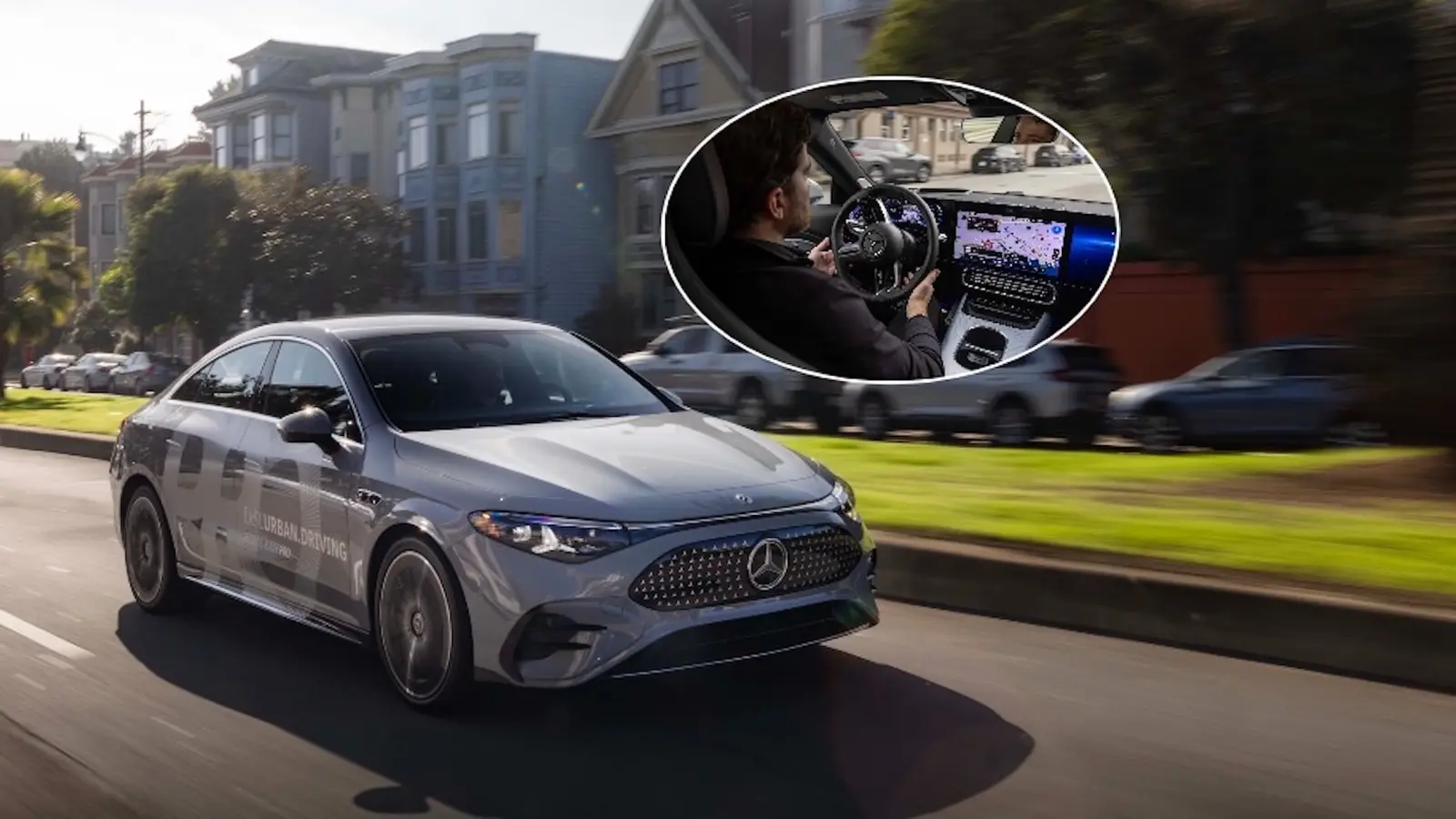
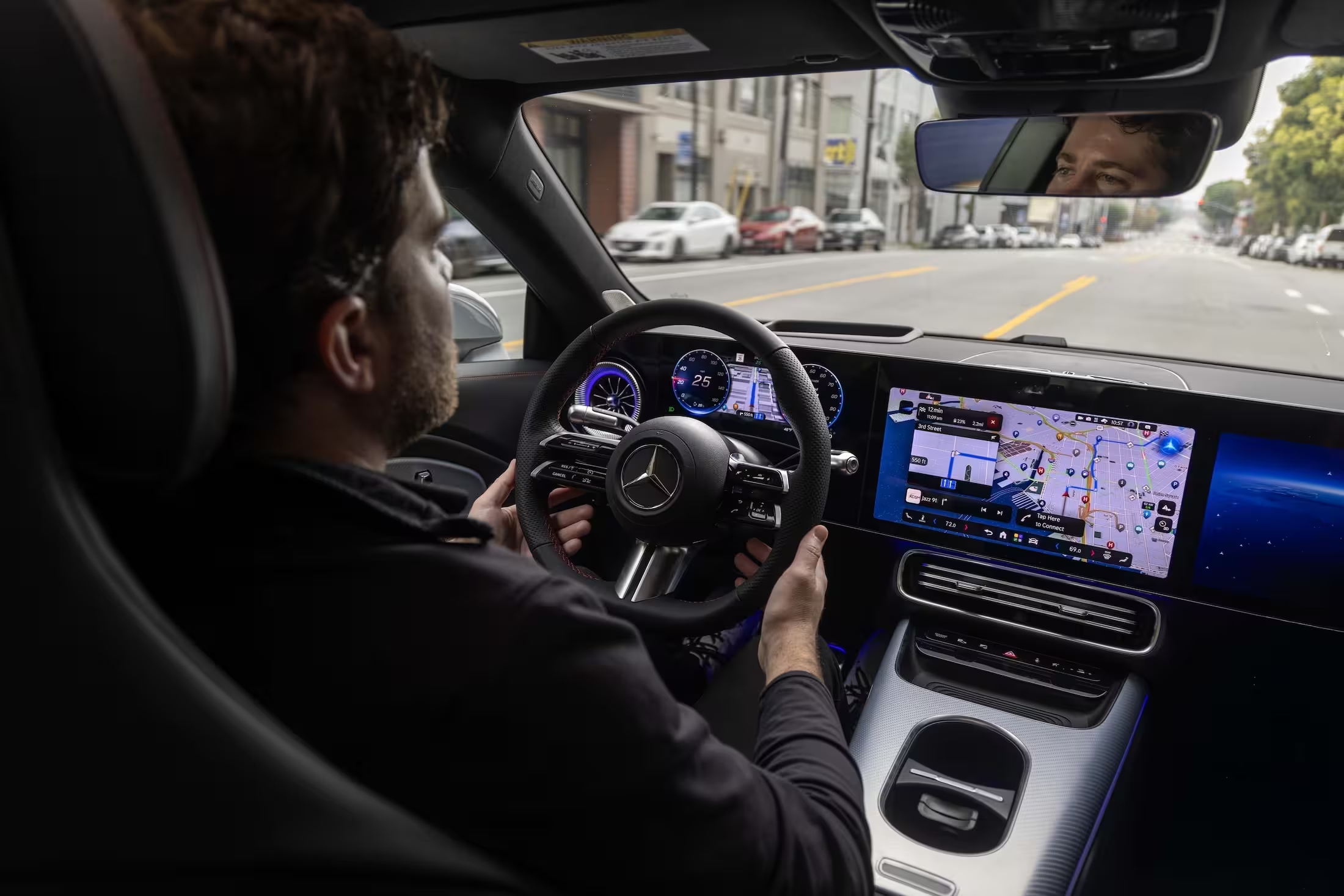
At CES 2026 in Las Vegas, Mercedes‑Benz and NVIDIA unveiled a major step toward AI-defined mobility: the all-new Mercedes‑Benz CLA will ship with NVIDIA DRIVE AV software, bringing enhanced Level 2 point-to-point driver assistance to U.S. roads later this year. The reveal included a striking video of the CLA navigating San Francisco streets while the occupant kept their hands off the wheel for most of the journey.
MB.OS and a new software-first approach
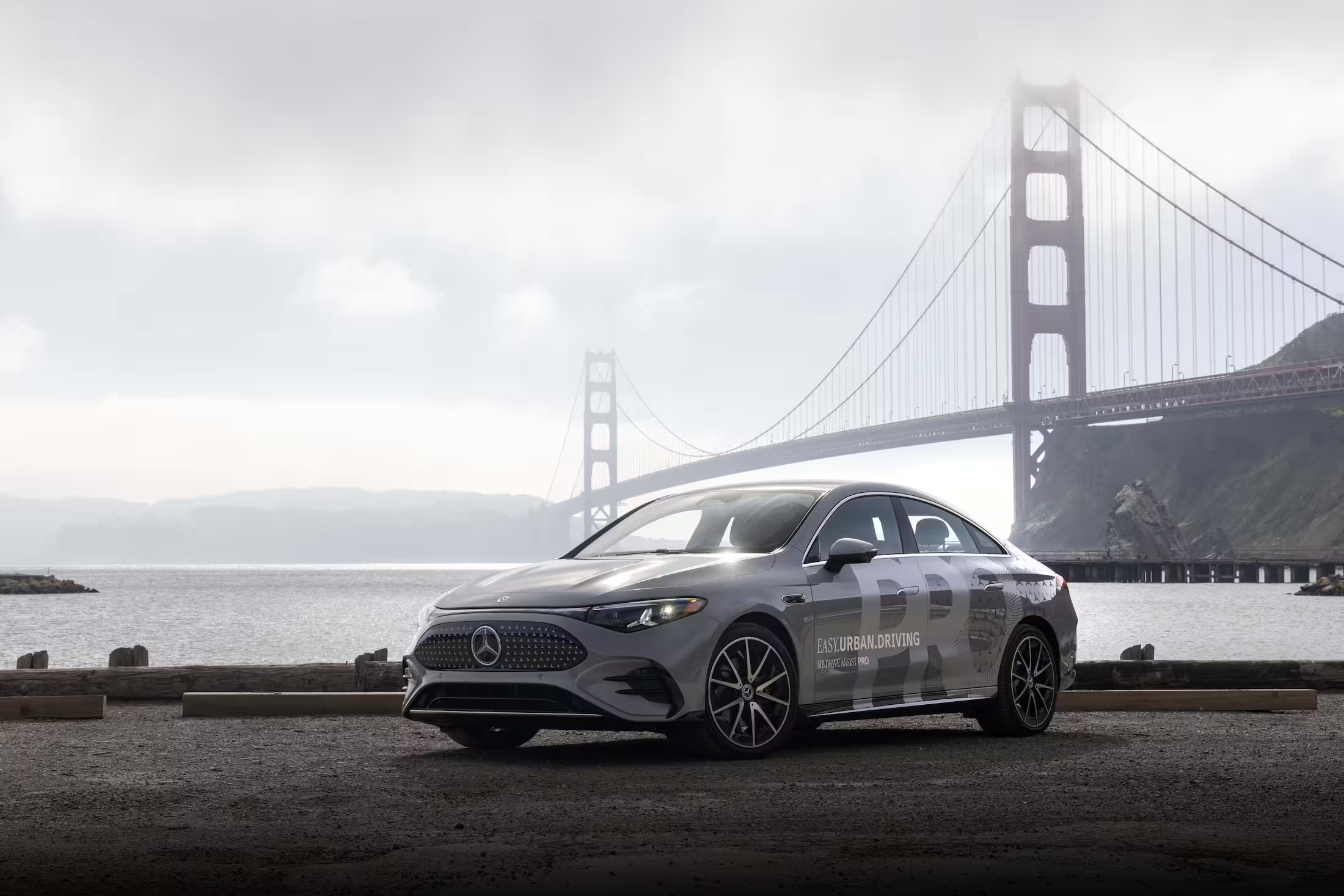
The new CLA is Mercedes' first production car to run MB.OS, the automaker's next-generation vehicle operating system designed to succeed the MBUX platform introduced in 2018. MB.OS pairs Mercedes' own software architecture with NVIDIA's full-stack DRIVE AV, enabling over-the-air updates, AI-powered features, and a continuous improvement model driven by data.
What this means for drivers
While labeled as an advanced Level 2 system, NVIDIA DRIVE AV is architected to handle complex, real-world scenarios: crowded urban driving, proactive collision avoidance, and tight automated parking maneuvers. The setup emphasizes safety with a parallel classical safety stack underpinned by the NVIDIA Halos safety system, while an AI end-to-end stack handles core driving decisions.
Hardware and safety credentials
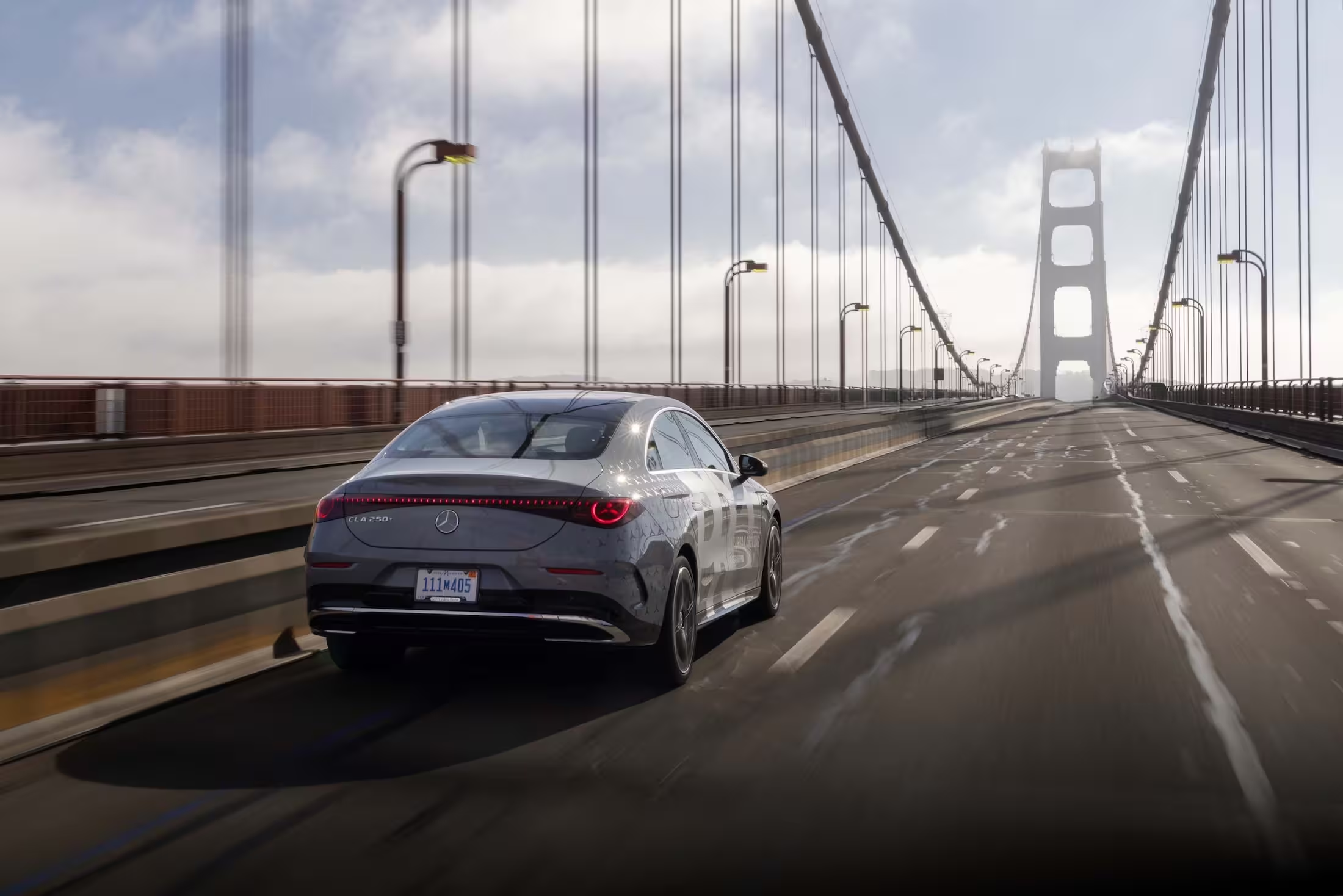
Mercedes' MB.DRIVE ASSIST PRO — already available in China at the end of 2025 and now headed to U.S. production — is a sensor-rich package. Key hardware highlights include:
- 30 total sensors
- 10 high-resolution cameras
- 5 radar sensors
- 12 ultrasonic sensors
- A supercomputer capable of roughly 508 TOPs (trillions of operations per second)
These inputs feed the DRIVE AV stack to support decision-making and active safety features. The system helped the CLA secure a five-star Euro NCAP rating, reinforcing Mercedes' emphasis on occupant protection.
Cloud-to-car learning and simulation
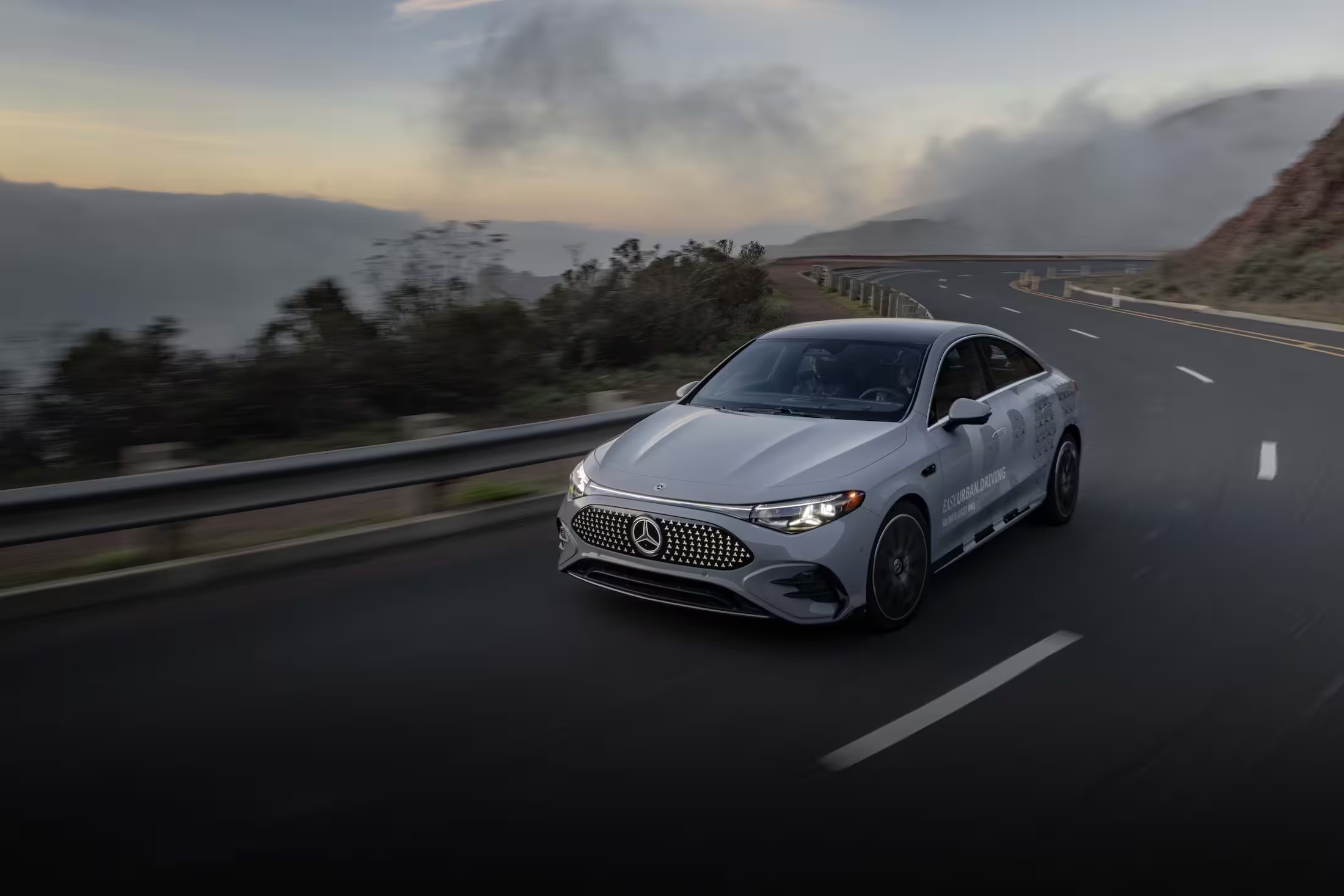
One of the central promises of NVIDIA DRIVE AV is its cloud-to-car development pipeline: real-world driving data is converted into vast simulated mileage, including synthetic data, accelerating validation and refinement. NVIDIA says this approach allows vehicles to learn from billions of miles of simulation — a vital advantage for edge cases and urban scenarios that are hard to reproduce in the real world.
Manufacturing goes digital
Beyond the car itself, Mercedes and NVIDIA plan to apply a digital-first strategy to production. Using NVIDIA Omniverse libraries, engineers will build digital twins of factories and assembly lines to optimize workflows, reduce downtime, and streamline vehicle launches.
Why it matters
For buyers and the broader auto industry, the CLA's NVIDIA-powered stack signals a shift: cars are becoming software-defined platforms that can evolve after purchase. The combination of MB.OS and DRIVE AV lets Mercedes push new driver-assistance capabilities through software updates, while NVIDIA's AI foundation aims to raise the baseline for safe, assistive driving across complex environments.
Quick highlights:
- NVIDIA DRIVE AV debuts in the 2026 Mercedes‑Benz CLA.
- MB.OS replaces MBUX as Mercedes' new vehicle OS.
- MB.DRIVE ASSIST PRO integrates 30 sensors and a 508 TOPs supercomputer.
- System supports OTA updates and cloud-driven simulation learning.
As Mercedes and NVIDIA roll this technology into production models, the competitive landscape for advanced driver assistance and AI-driven automotive software will tighten — and consumers can expect their cars to get smarter over time rather than remain static hardware products.


Leave a Comment
Comments
No comments yet. Be the first.