
2 Minutes
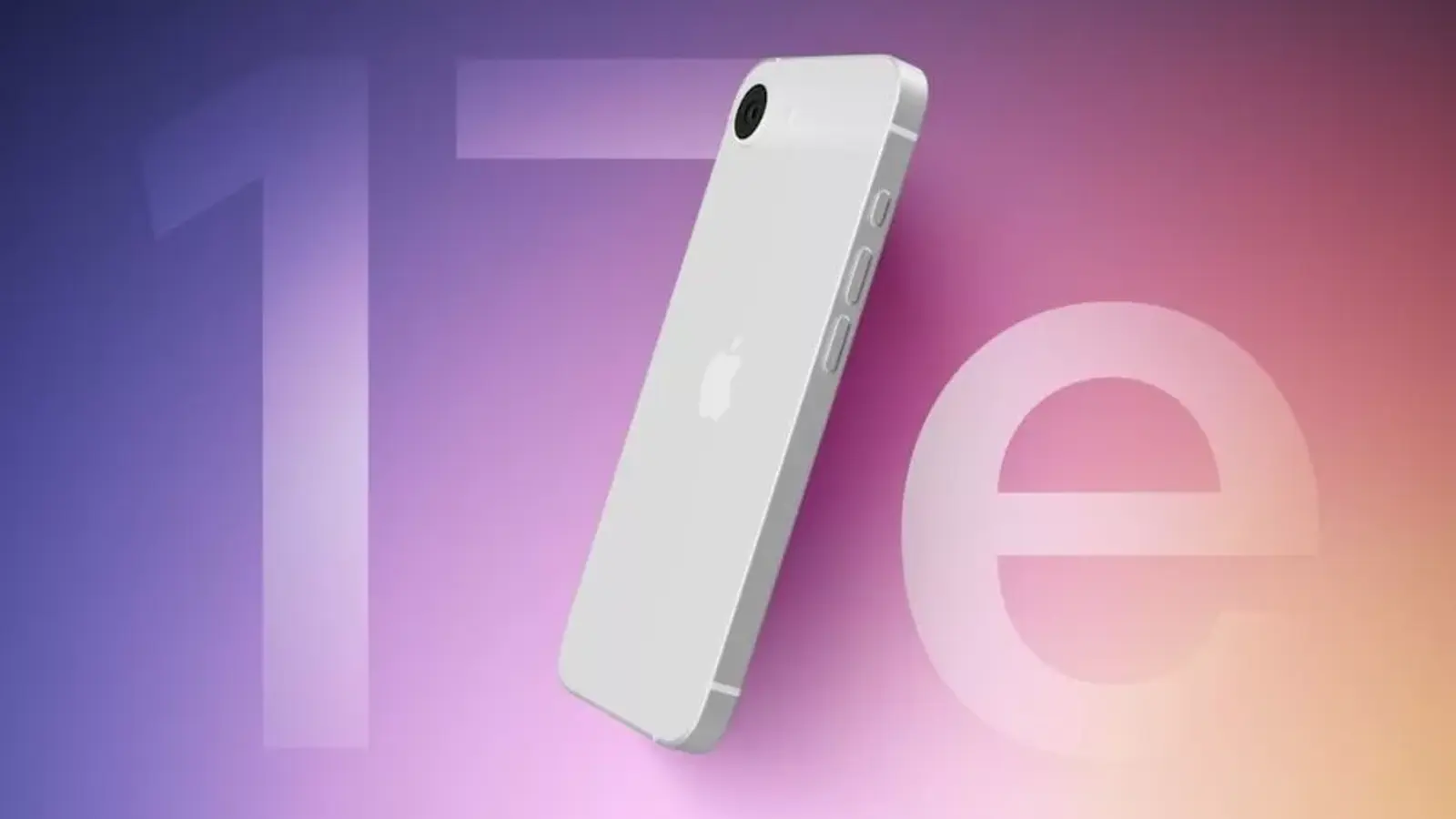
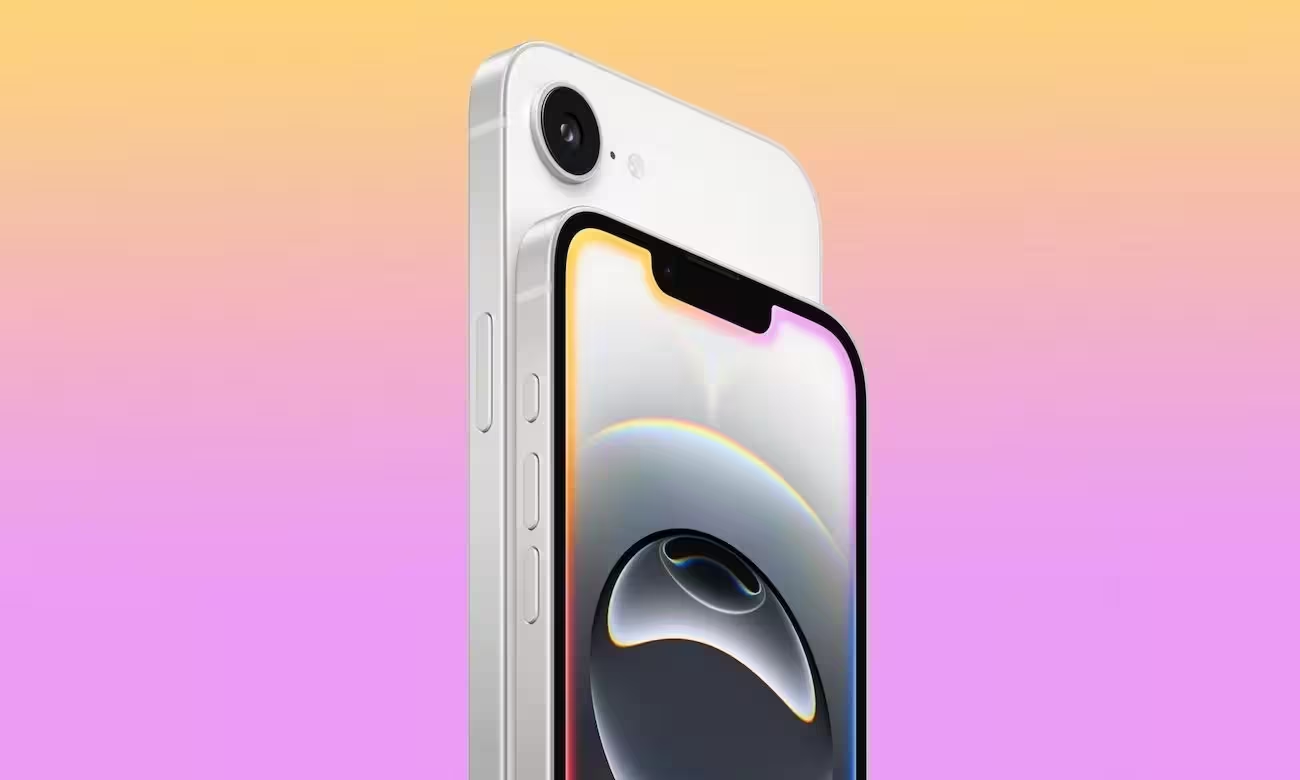
Apple is about to test a familiar formula: more power, same price. Expect the iPhone 17e to arrive with the A19 chip under the hood, MagSafe where it was missing before, and a hardware refresh aimed squarely at developing markets and corporate buyers.
Think of it as a pragmatic upgrade. Not flashy. Not experimental. Measured. The A19—already introduced alongside the iPhone 17—promises a tangible step up in performance for users who have long accepted compromises in Apple’s budget-tier phones. Faster apps. Smoother multitasking. Real-world gains that matter when a device is your daily workhorse.
Apple is also closing long-standing gaps. MagSafe, once reserved for higher-end iPhones, appears set to roll down to this model. Simple? Yes. Useful? Absolutely. For enterprises and power users in growth markets, that magnetic convenience and accessory ecosystem can be a decisive factor.
Under the surface, the connectivity story gets more interesting. Reports point to Apple deploying its new C1X cellular modem in the 17e, a move that signals tighter vertical integration of radios and baseband. Complementing that is the N1 chip, which will handle Bluetooth, Wi‑Fi and Thread—so the device isn’t just faster, it’s better at staying connected to networks and smart home devices.
And the price? Apple reportedly plans to keep the base price at $599—the same entry point as the previous generation. That matters. It means more horsepower and modern connectivity without a bump in cost. For businesses refreshing fleets and consumers in price-sensitive regions, it’s an attractive proposition.
Why now? Competition among Android brands has softened in some enterprise and emerging market segments, giving Apple a window to expand share. Combine that with an aggressive marketing push aimed at corporate channels and local carriers, and the 17e looks less like a stopgap and more like a strategy play.
Exact timing is still under wraps. Apple hasn’t set a public launch date, but industry whispers suggest the reveal could be imminent. If you follow device cycles closely, the clues are starting to add up: a capable chip, improved accessory support, proprietary modems, and a price engineered for scale.
So, should you care? If you buy phones for a company, manage device fleets, or simply want the most capable iPhone for your budget, this one deserves attention. Keep an eye on the announcement—because Apple’s subtle tweaks here could shift buying decisions where it matters most.

Leave a Comment
Comments
No comments yet. Be the first.