
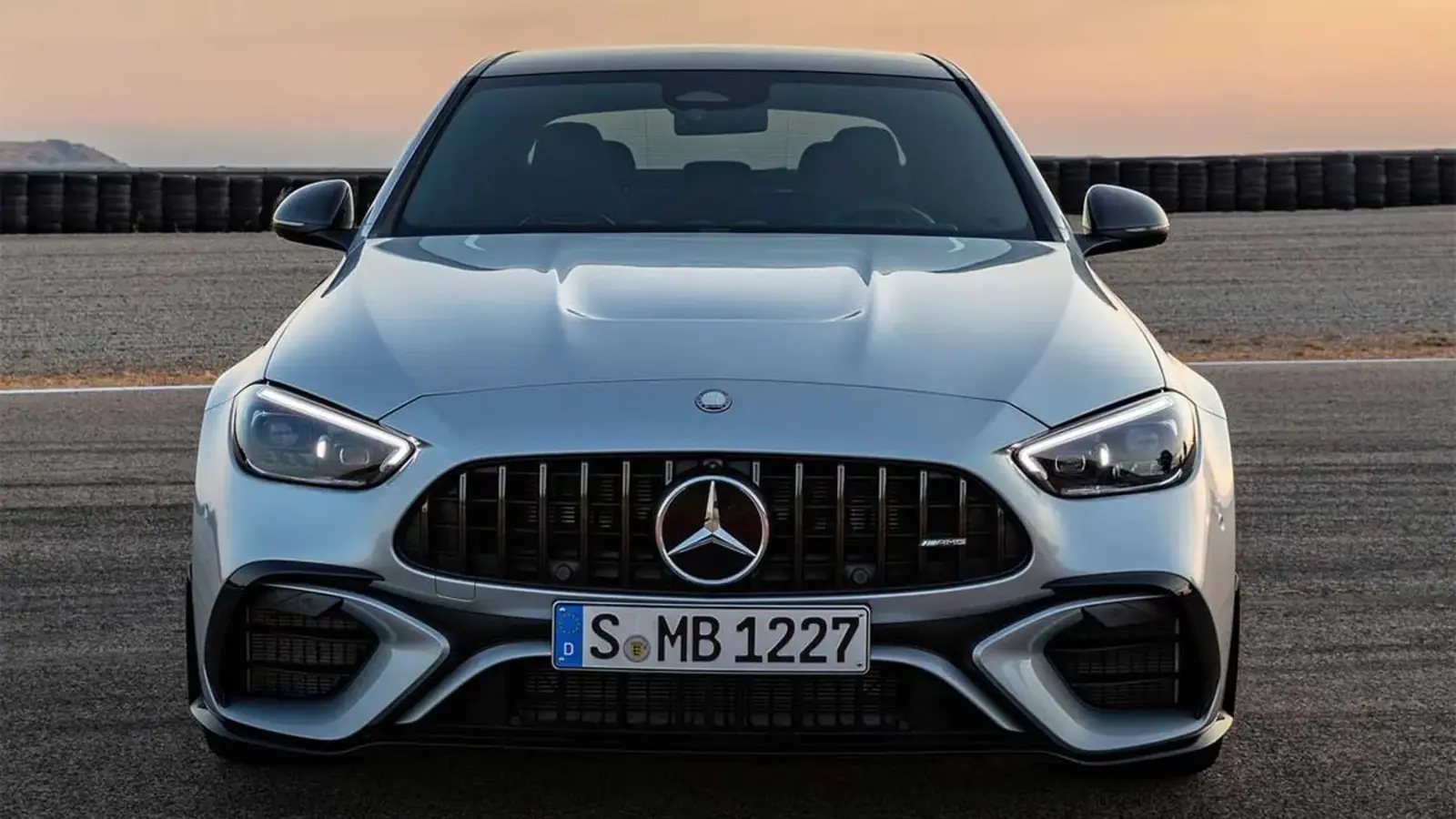
AMG ditches the controversial four-cylinder C63
Mercedes-Benz has confirmed what had been rumored for months: the four-cylinder plug-in hybrid C63 is being retired. AMG’s leadership says the sporty sedan will return with a larger, pure‑petrol inline-six instead of the 2.0‑liter hybrid unit that divided fans and critics alike.
What’s changing?
Engineers are reworking the C‑Class engine bay to accommodate the 3.0‑liter turbocharged inline‑six (M256M) — the same basic unit recently seen in the CLE53 coupe. In that coupe the motor makes around 450 hp and 560 Nm of torque; AMG hasn’t confirmed output figures for the new C‑Class performance model (likely to be badged C53), but the emphasis will be on a more engaging, pure‑internal‑combustion character rather than chasing the raw numbers of the current plug‑in hybrid.
"We will replace the current C63 with a pure‑gasoline inline‑six," AMG CEO Michael Schiebe told reporters, confirming the end of the four‑cylinder hybrid chapter.
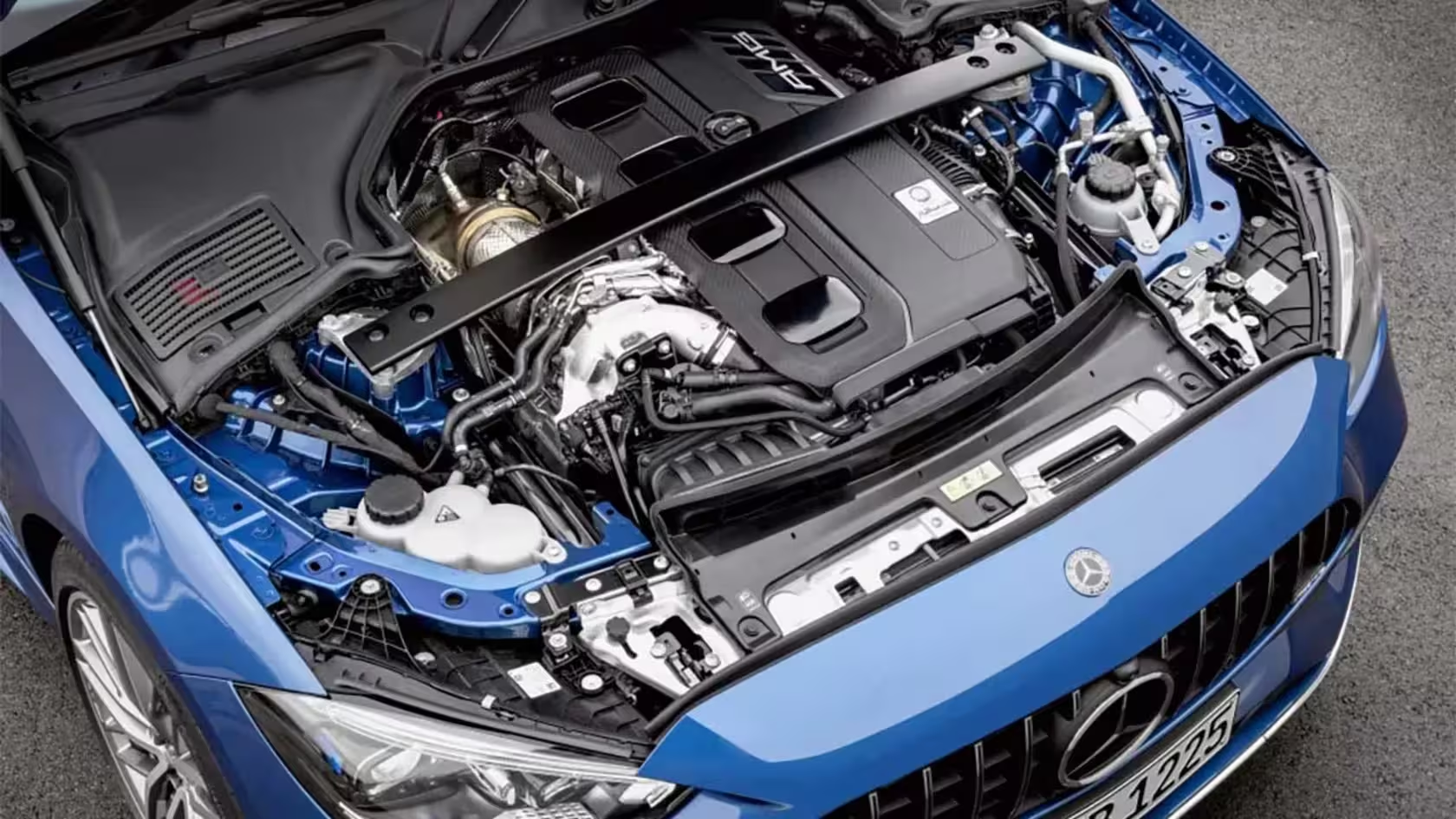
Performance trade-offs: power vs. weight
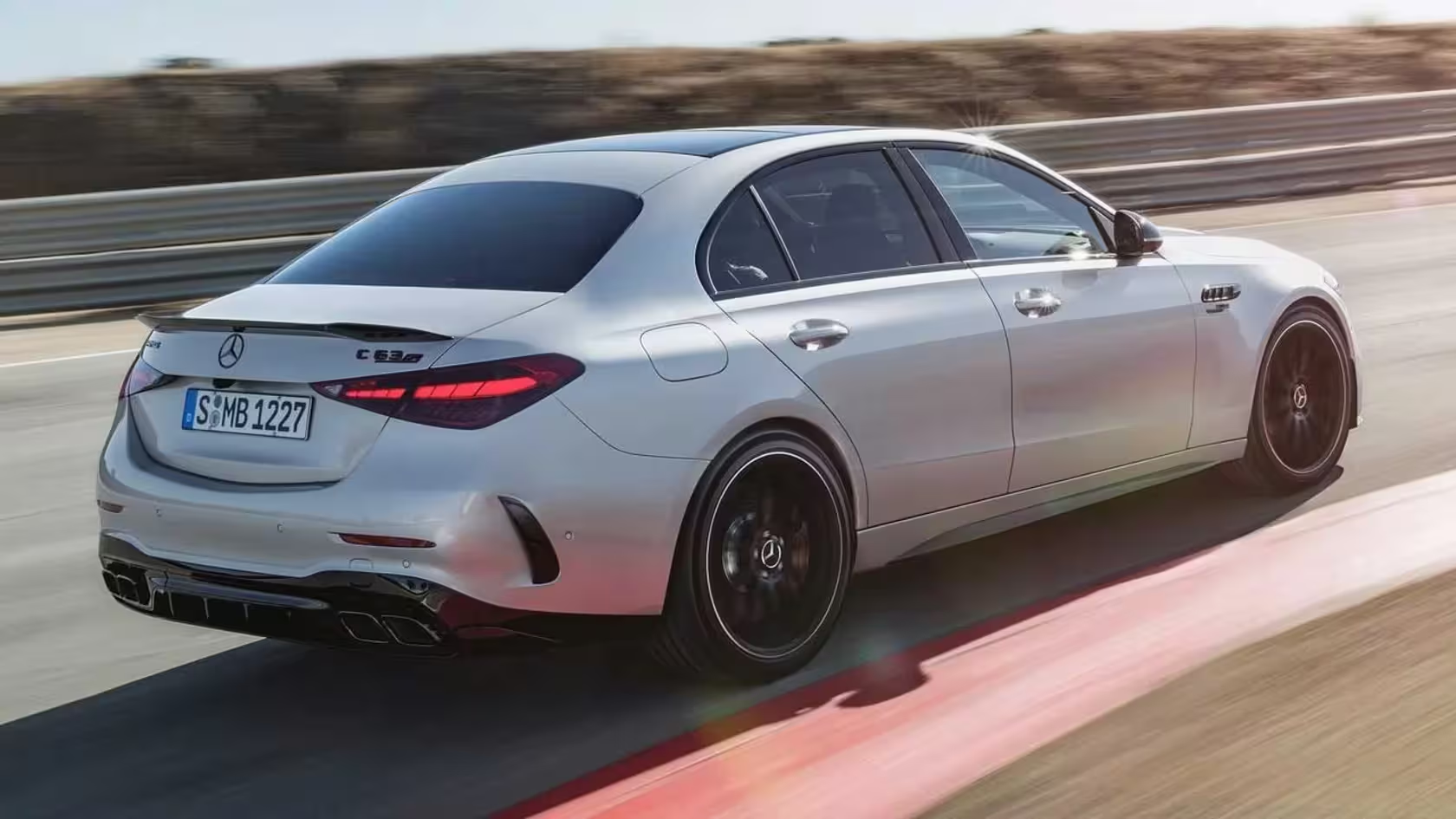
It’s unlikely the inline‑six will match the combined peak figures of the plug‑in hybrid C63 — currently quoted at up to roughly 680 hp and 1,020 Nm in its most extreme form — but horsepower and torque are not the whole story. Removing the heavy battery packs and electric motors will substantially cut curb weight. The current C63 weighs close to 2,185 kg, a figure that hamstrings agility. Despite an inline‑six being heavier than a four‑cylinder, the net vehicle weight should fall when hybrid components are removed, improving balance and handling.
Highlights:
- New engine: 3.0L turbocharged inline‑six (M256M)
- Expected model name: C53 (performance variant)
- CLE53 benchmark: ~450 hp / 560 Nm
- Current C63 weight: ~2,185 kg; hybrid kit contributes significantly
GLC crossover to follow
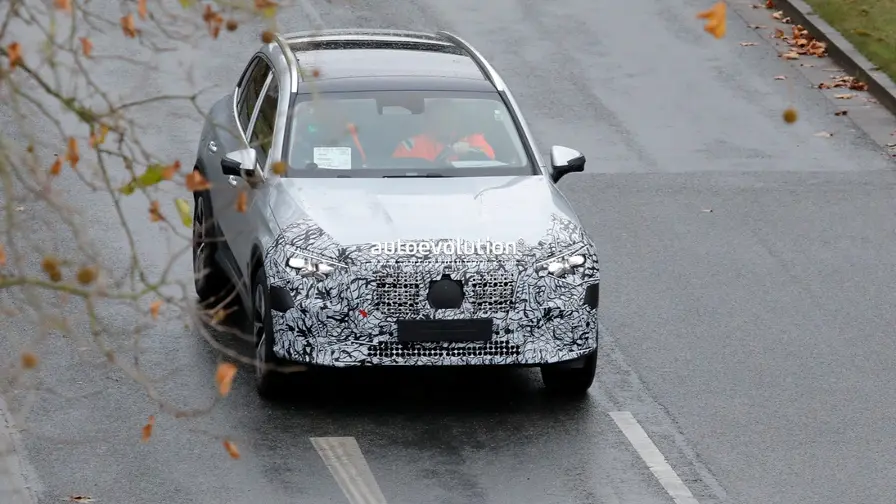
AMG indicates the same philosophy will likely apply to the GLC SUV — the crossover sibling of the C‑Class is expected to adopt the inline‑six formula rather than a four‑cylinder hybrid, preserving a clearer performance identity across the range.
Why abandon the 2.0L hybrid?
According to AMG, the decision wasn’t a direct response to customer complaints about downsized engines. Instead, meeting the stricter Euro 7 emissions standards coming into force later this year made it very difficult to adapt the small 2.0‑liter hybrid to new regulations. This raises questions among industry watchers about why Mercedes pursued the smaller engine development despite knowing tighter rules were imminent.
Market positioning and the road ahead
The new AMG model will be based on the upcoming C‑Class facelift due in the next few months. Expect AMG to balance refined straight‑line power, lighter overall weight, and a more traditional performance sound and feel. For buyers and enthusiasts, the shift signals AMG’s pivot back toward conventional high‑revving engines—albeit turbocharged and technologically advanced—while still navigating the era of stricter emissions and electrification.
"It’s about driving character as much as numbers," said an AMG engineer. "We want the C to feel like a proper sports sedan again."

Leave a Comment
Comments
No comments yet. Be the first.