
3 Minutes
Toyota confirms: the Highlander returns as an electric three-row SUV
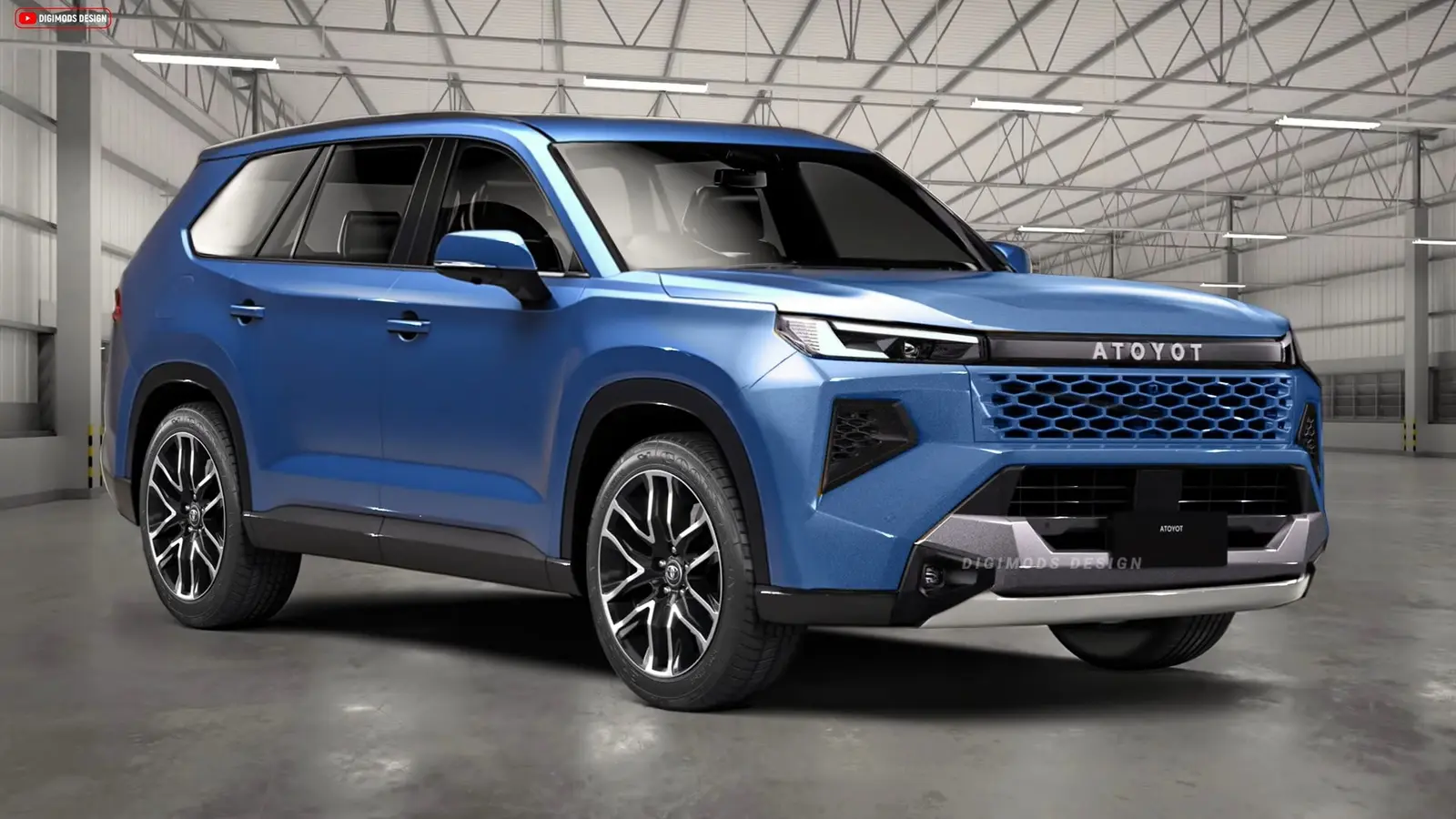
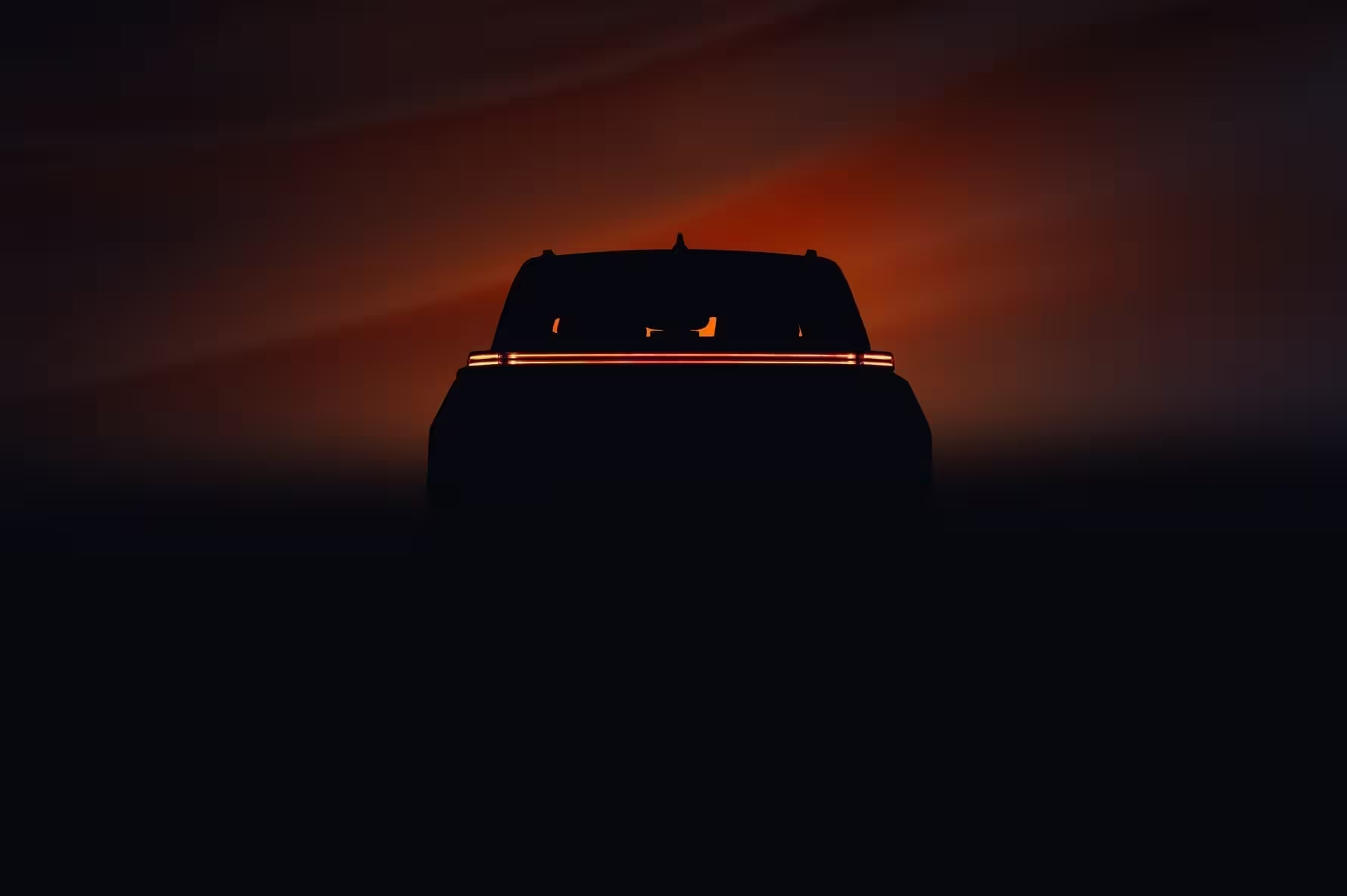
Toyota Motor North America (TMNA) dropped its likely final teaser this week, and the secret is out: the all-new, fifth-generation 2027 Toyota Highlander will be revealed on February 10 at 9:30pm EDT. The short teaser shows rear badging that reads Highlander and BEV AWD, leaving little doubt this iteration arrives as an electric, dual-motor all-wheel-drive model.
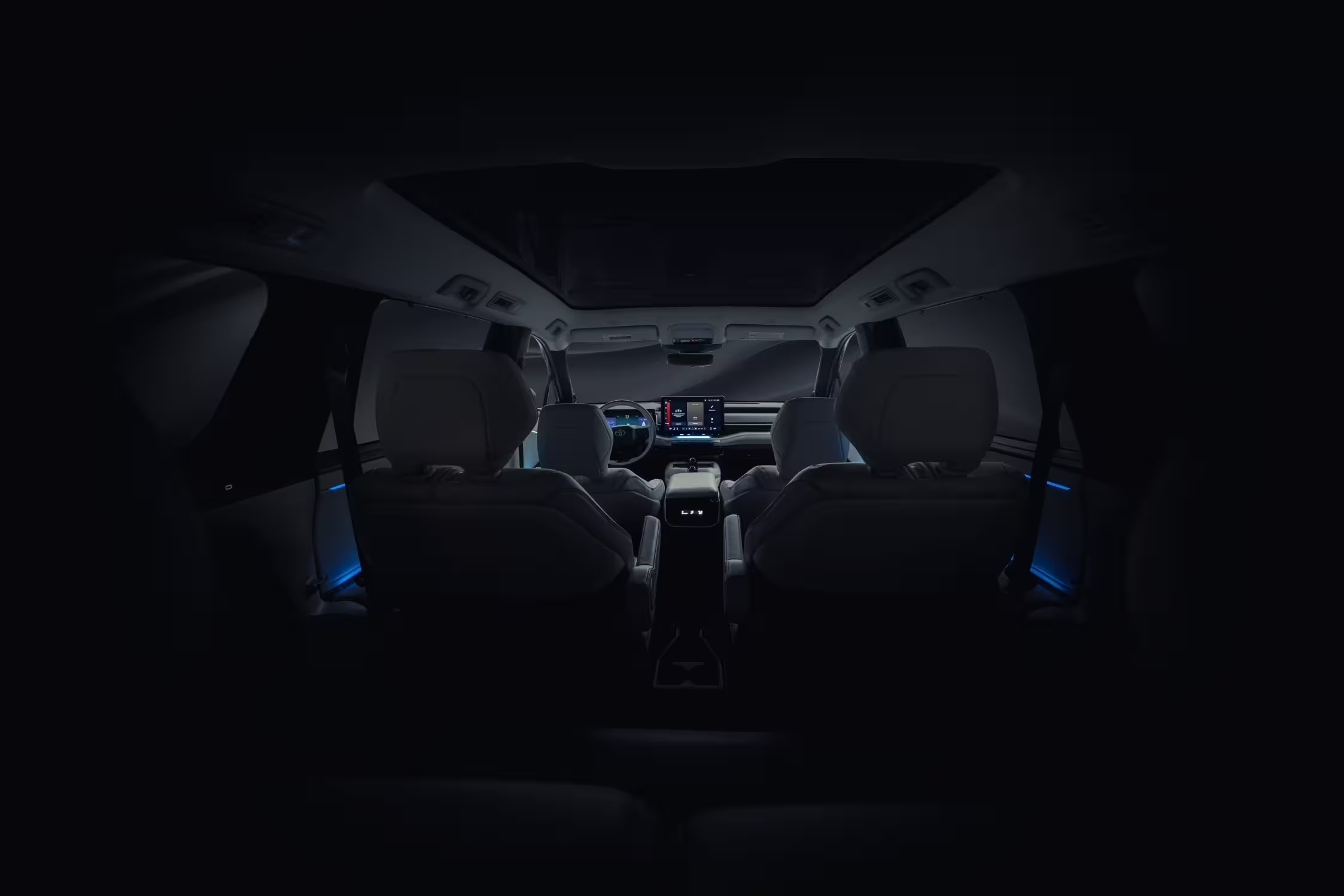
The reveal ends weeks of speculation. Early teasers led some to hope for a revival of a compact Toyota pickup, a rival to the Ford Maverick. Instead, interior footage hinted at a three-row crossover — and the final clip ties the whole story together: a familiar name with a very different powertrain.
What the teasers revealed
- Dual-motor BEV AWD badging (confirmed by the video).
- A spacious three-row cabin with modern interior cues.
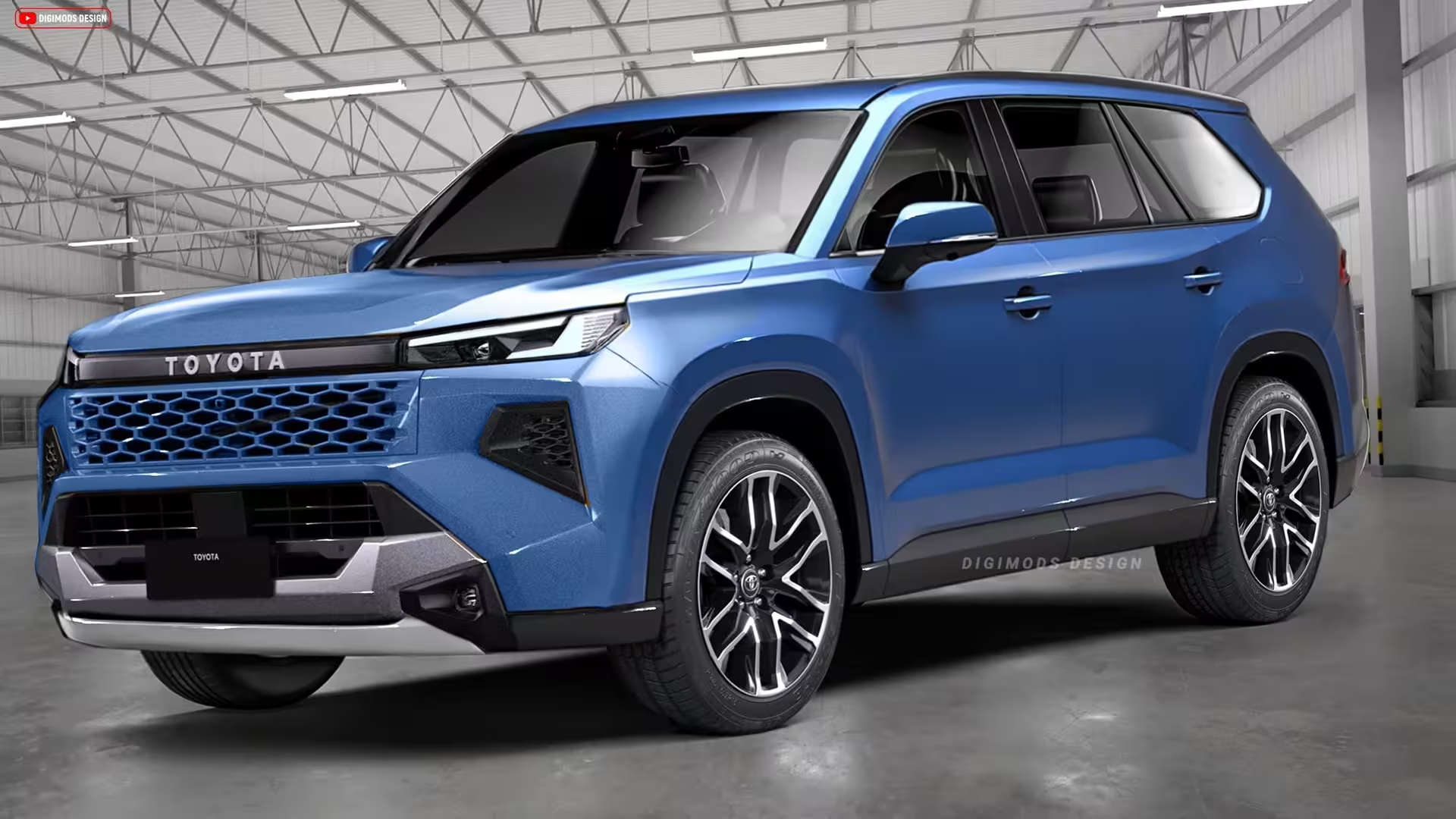
- Styling described by TMNA as sleek and modern, signaling a design departure from current Highlander models.
No official range, battery capacity or horsepower figures were announced in the teaser. Toyota does, however, frame the new Highlander as 'charged and ready' and promises comfort for the whole crew, suggesting Toyota is positioning the model as a family-friendly electric mid-size SUV.
Where the electric Highlander fits in Toyota's EV lineup
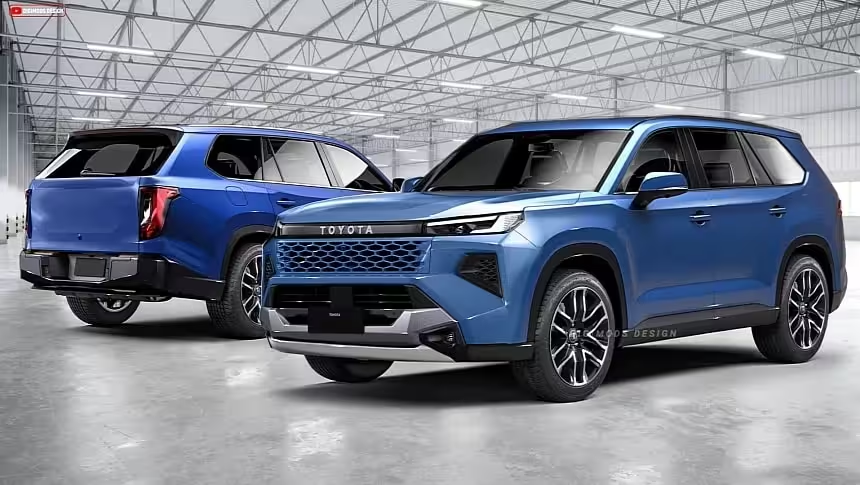
This electric Highlander arrives as Toyota quietly expands its battery-electric portfolio. North America already has a growing bZ family: the compact bZ crossover (built with Subaru), the reborn C-HR as an EV coupe-SUV, and the larger bZ Woodland — a mid-size offering on the same underlying architecture. An electrified Highlander will sit alongside these models, potentially overlapping segments and buyer expectations.
Key questions remain: will Toyota continue to offer gasoline and hybrid Highlander variants? What becomes of the Grand Highlander three-row crossover? Toyota has not clarified whether the ICE/hybrid versions will be phased out, rebranded, or offered in parallel.
Market timing and strategic risks
The move is notable because the U.S. EV market faces headwinds: high import tariffs, the end of a federal EV tax incentive, and inconsistent charging infrastructure and connector standards (NACS transitions remain in flux). However, global EV demand continues to grow in regions such as China and Europe, driven by makers like BYD and legacy brands including Volkswagen. Toyota appears to be balancing global electrification priorities with regional market realities.
That tension raises a strategic question: is an electric Highlander a bold, future-facing play or a risky bet in a market that shows signs of re-embracing ICE and hybrid vehicles? The answer will start to appear after the official reveal when pricing, range, and powertrain strategy are disclosed.
Initial impressions and what to watch at the reveal
Expect Toyota to detail range estimates, battery options, charging capabilities (including fast-charge compatibility and adapter plans), and whether lower-cost hybrids or gasoline derivatives will continue in the lineup. Also watch positioning versus competitors in the three-row EV segment and how Toyota differentiates the Highlander from the bZ Woodland and Grand Highlander.
Highlights to follow at launch:
- Confirmed electric range and battery specs
- Power output and towing capability
- Trim levels and interior tech features
- Pricing and availability timeline
In short, Toyota's electric Highlander is a major statement for the brand in North America. It reimagines a familiar nameplate for an electrified future, but it also opens critical questions about product strategy and timing in a market facing real obstacles to EV adoption. Stay tuned for the full reveal on February 10.


Leave a Comment
Comments
No comments yet. Be the first.