
Faster Than Filling Up: Nyobolt's Ultra-Fast EV Breakthrough
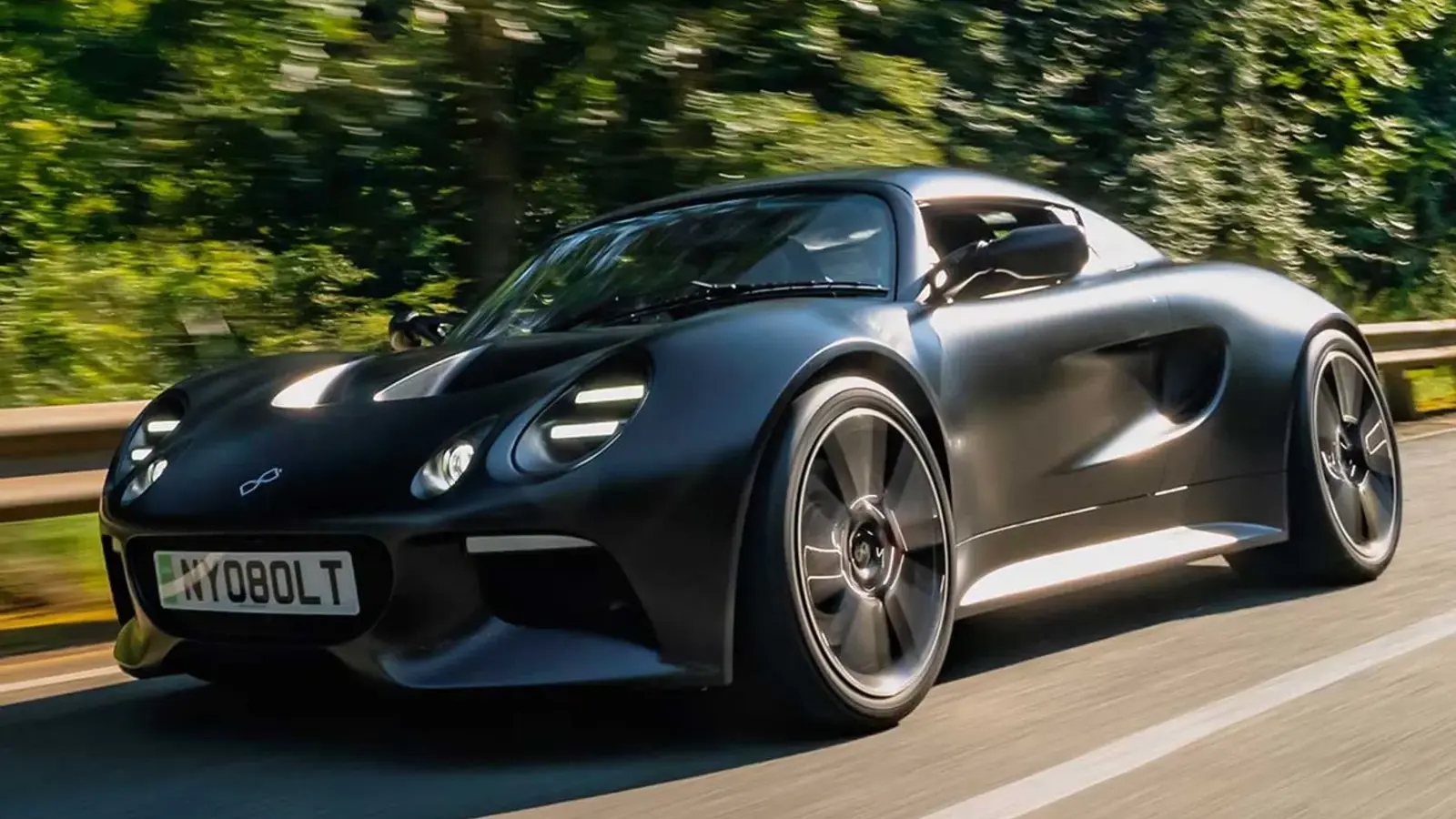
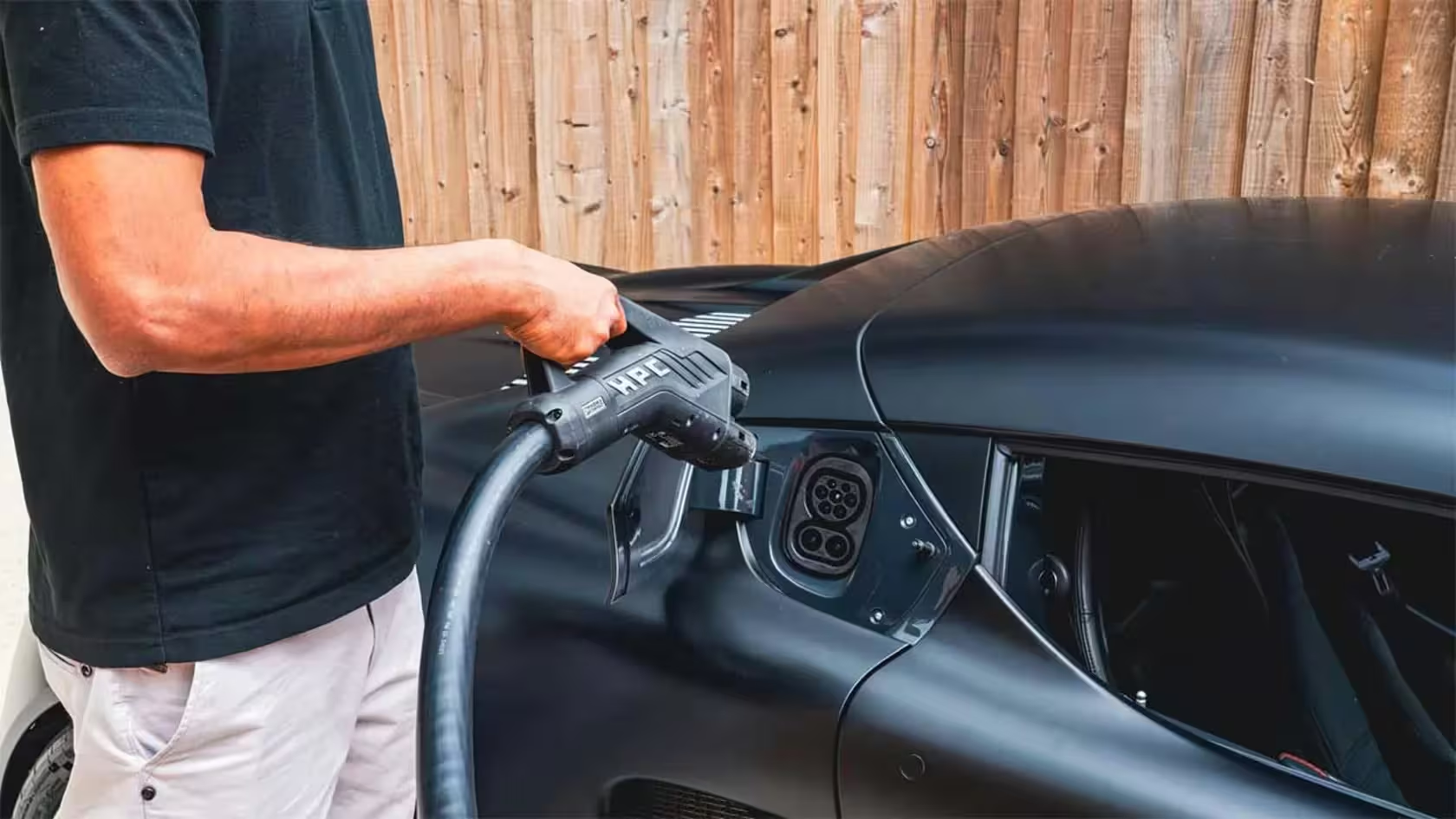
Nyobolt, a UK battery developer, has stunned the automotive world by charging a prototype electric sports car from 10% to 80% in just 4 minutes and 37 seconds. The on-road sensation was striking: three minutes after plugging in, a pack sitting at 30% jumped past 80%, making the act of charging feel almost instantaneous—comparable to a conventional petrol stop.
What makes this possible?
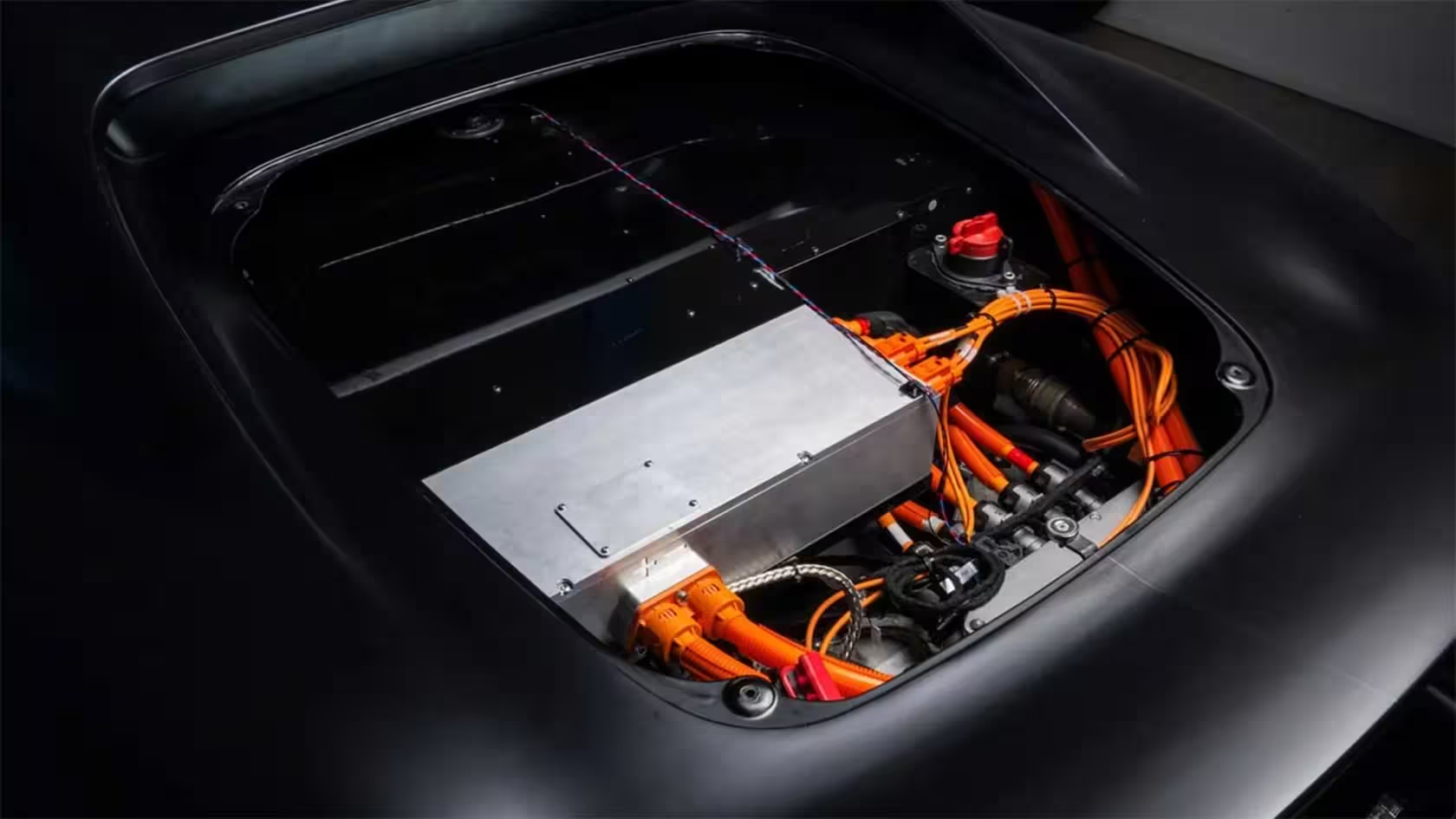
At the heart of the demonstrator is a 35 kWh battery capable of accepting 350 kW peak power and operating at roughly a 10C charge rate. For context, C-rate describes how quickly a battery can be charged relative to its capacity: 1C charges a battery in one hour, while 10C targets a full charge in about six minutes. Mainstream fast-charging EVs like the Hyundai Ioniq 5 realistically operate around 3C in everyday conditions, so Nyobolt’s figures mark a significant step change.
Design, performance and the battery cell magic
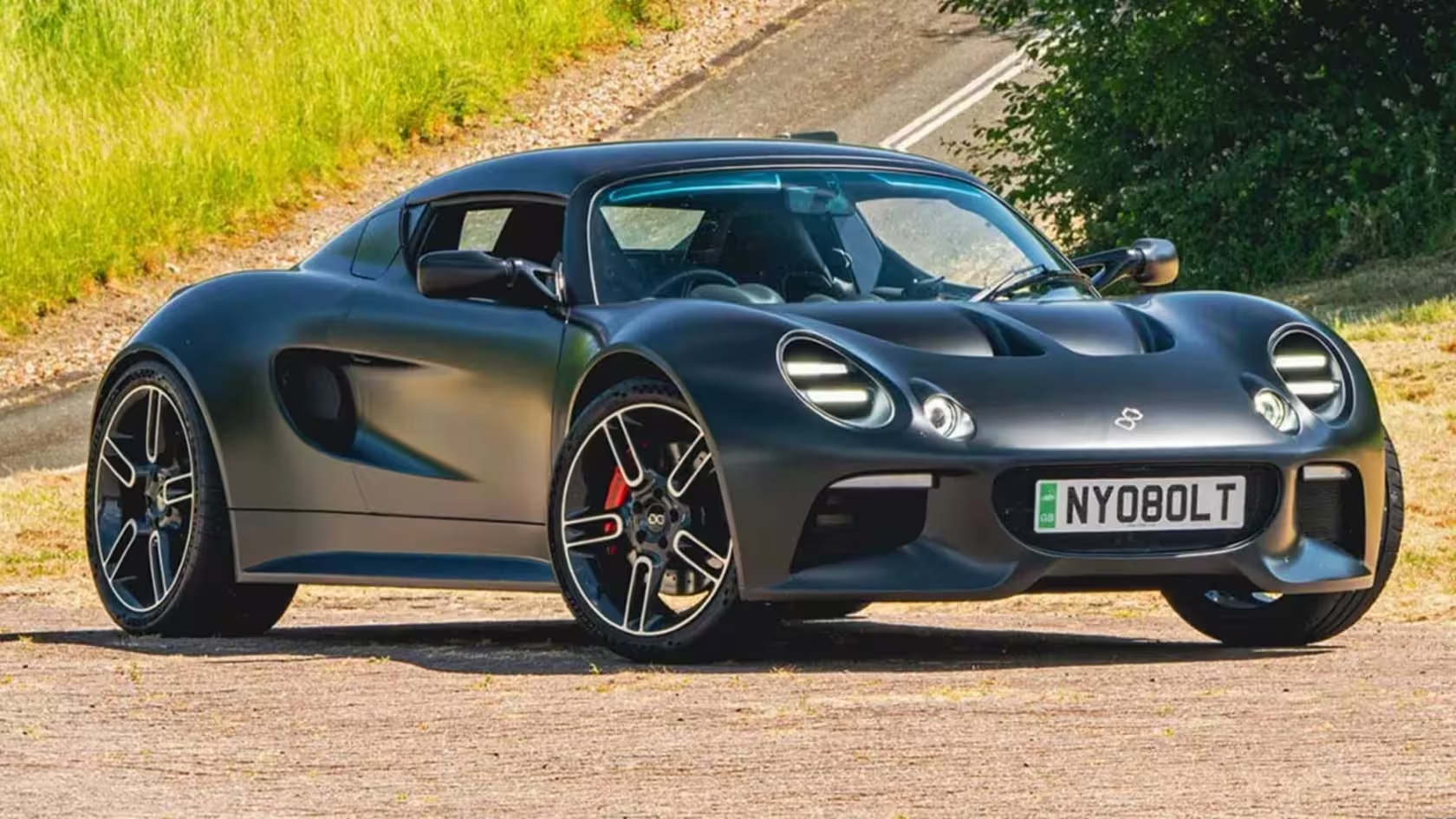
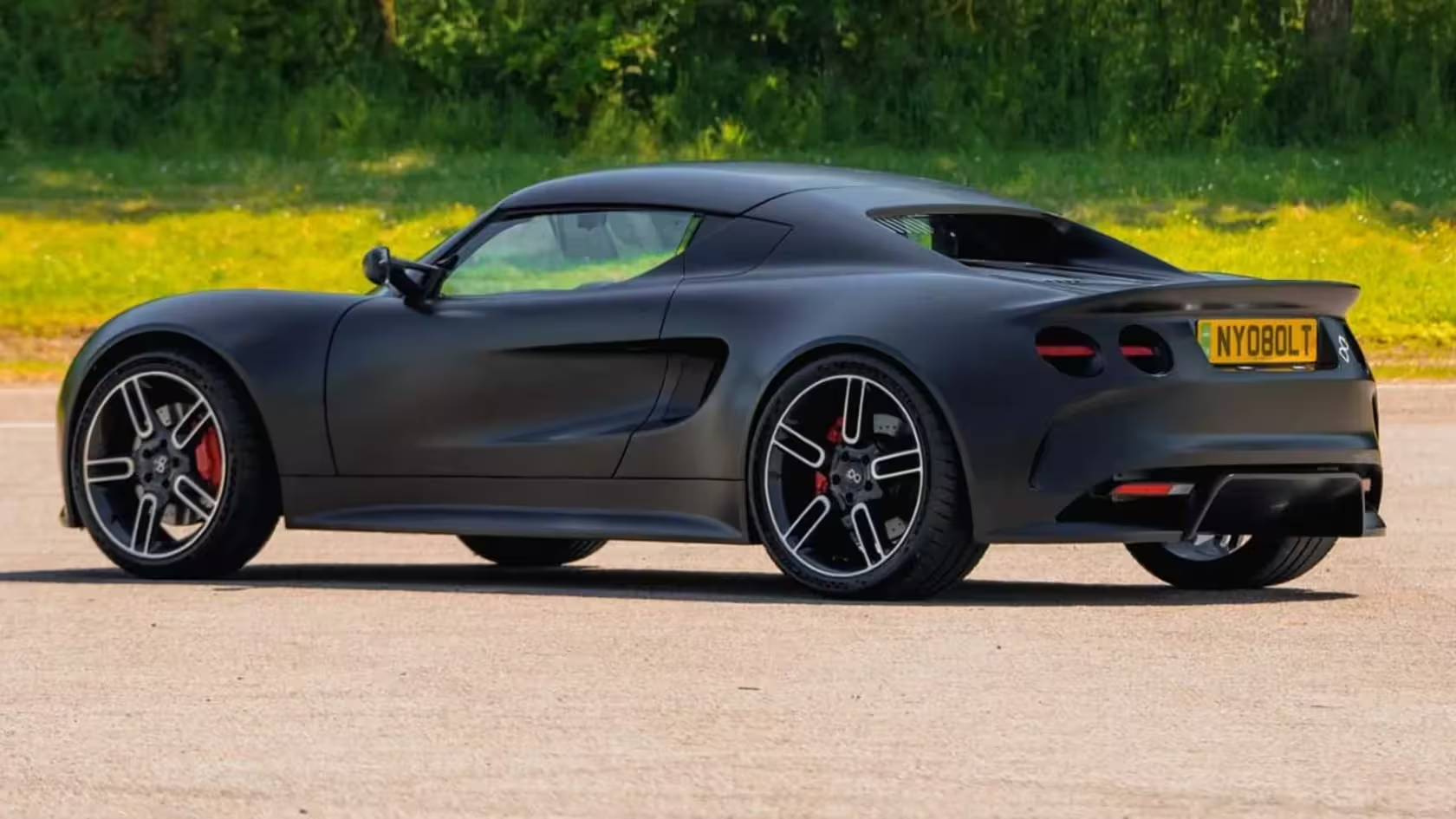
The roadster itself, with styling cues reminiscent of a Lotus Elise and penned by Ian Callum’s studio, packs 470 hp and accelerates from 0–100 km/h in under four seconds. Yet the real innovation is inside the cells: a new anode material and systematic cell architecture reduce internal resistance dramatically. Low internal resistance means much less heat generation, which eliminates the need for heavy, complex thermal management systems—critical for keeping weight down and maintaining sports-car agility.
Highlights:
- 35 kWh battery, 350 kW charge capability
- Approximately 10C charging rate
- 470 hp, 0–100 km/h in <4s
- Vehicle weight: 1,246 kg
Longevity and real-world durability
Beyond speed, Nyobolt reports exceptional cycle life: more than 4,000 rapid charge cycles while retaining over 80% capacity—equivalent to roughly 960,000 km of driving. That durability is well beyond typical lithium-ion packs, which often show significant degradation after about 1,000 cycles.
Market timing and implications
Today, the technology is already used in warehouse robots by companies like Symbotic. Nyobolt expects passenger-car adoption around 2028–2029 and is reportedly in talks with eight major automakers to license the tech. The company is also exploring a limited-run production of about 50 sports cars in partnership with an OEM to validate the platform commercially.
Why this matters: smaller battery capacity plus ultra-fast charging could reshape EV design. Lighter, more compact battery packs mean that electric sports cars can deliver the agility and driving enjoyment that enthusiasts expect from petrol models—without the typical range or charging trade-offs.
"The prospect of topping an EV to useful levels in minutes rather than hours changes how we think about range and infrastructure," industry analysts say. That shift will depend on public fast-charging networks supporting very high power levels, but Nyobolt’s demo proves the cell-level hurdles are solvable.
Whether this accelerates broader EV adoption or first appears in niche performance models, Nyobolt’s prototype is a clear signal: ultra-fast charging is no longer science fiction but an imminent reality.


Leave a Comment
Comments
No comments yet. Be the first.