
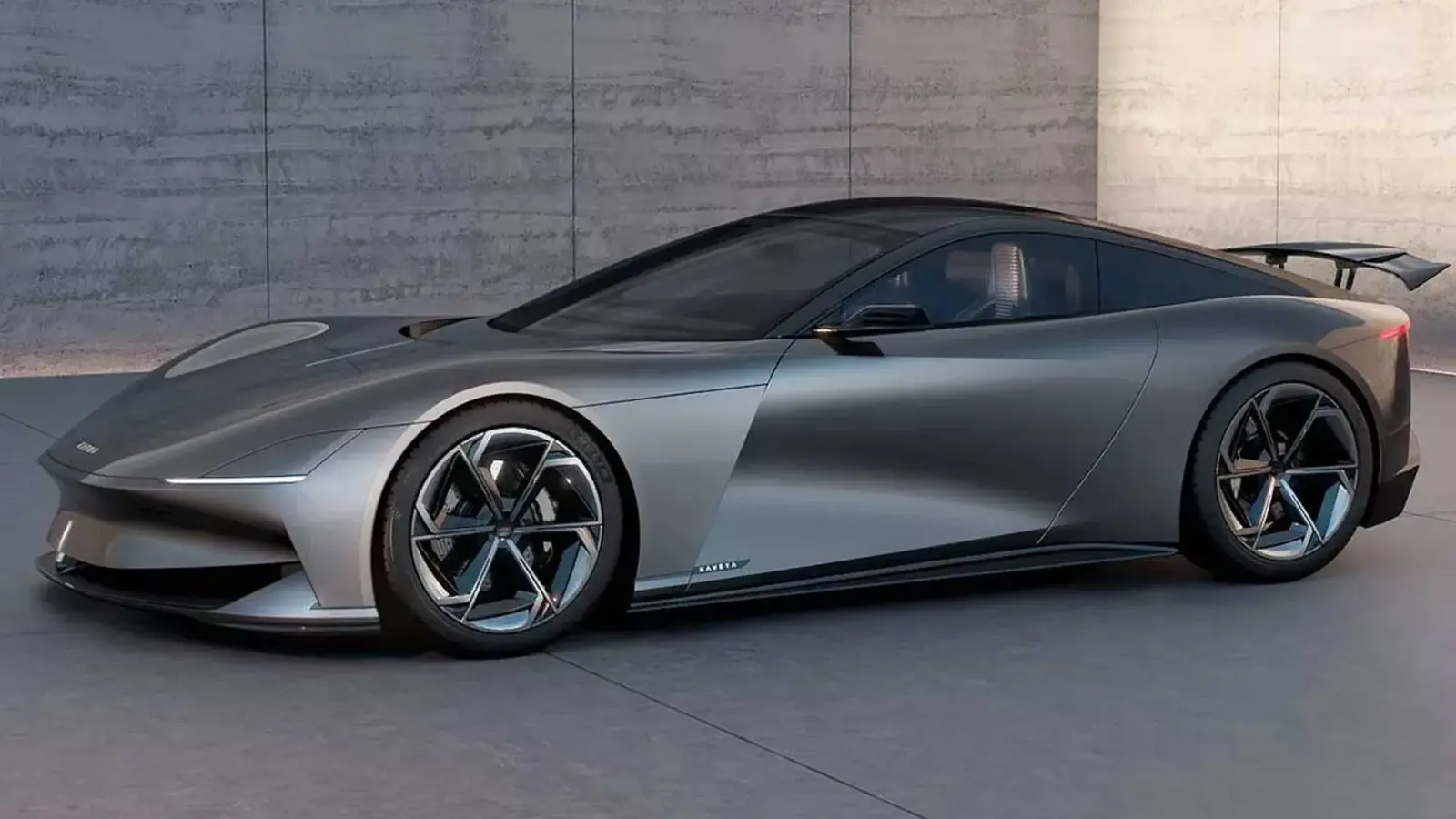
Karma partners with Factorial Energy to bring solid-state batteries to a US hypercar
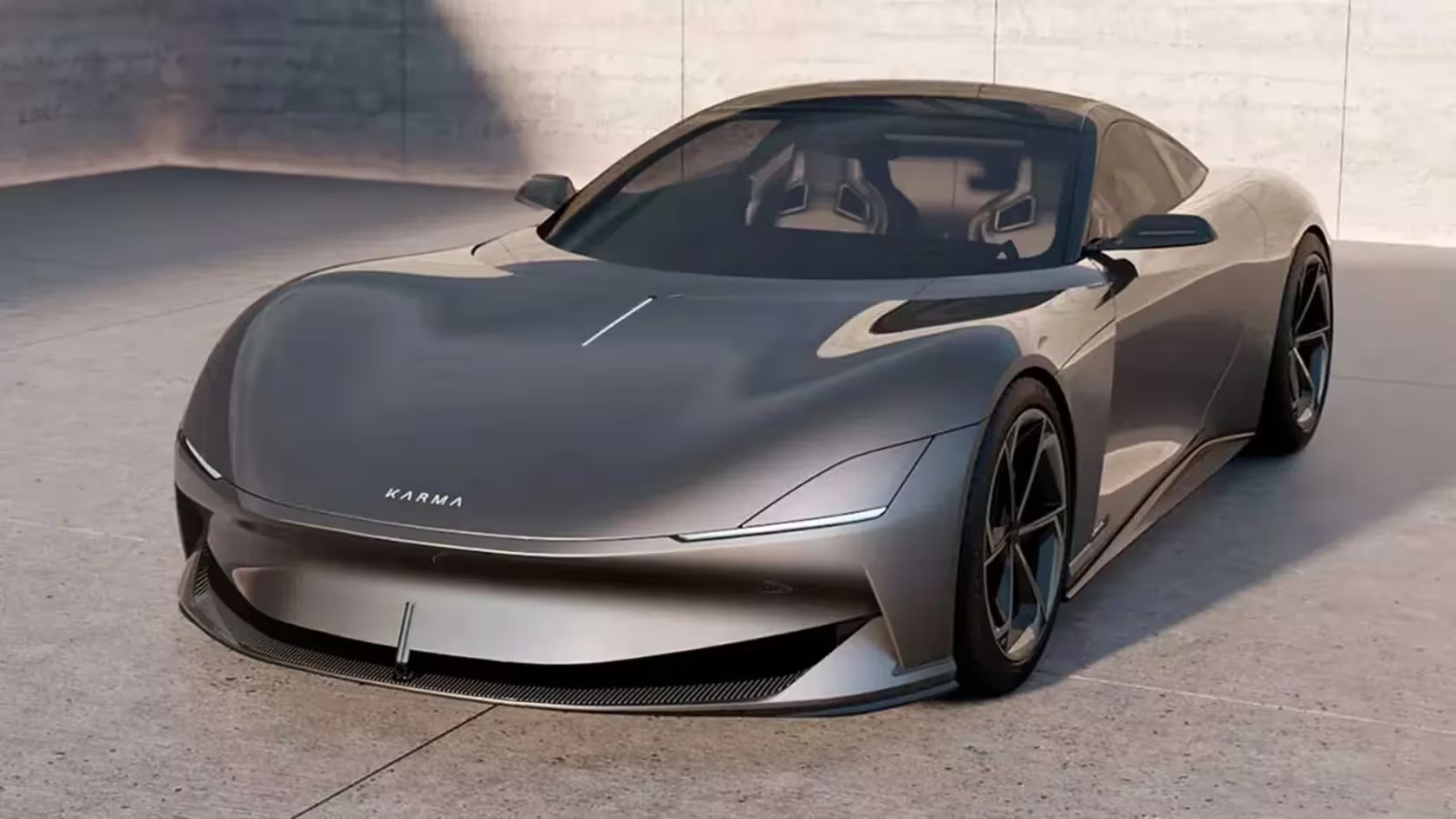
Karma Automotive is turning heads again. After rising from the ashes of Fisker and winding down the Revero, the California-based marque has doubled down on an ambitious electric grand tourer: the Cavia. Unveiled at the end of 2023, this ultra-luxury coupe is now set to become one of the first passenger cars in the United States to adopt commercial solid-state battery technology, thanks to a strategic partnership with Factorial Energy and its FEST platform.
Why this matters for the EV market
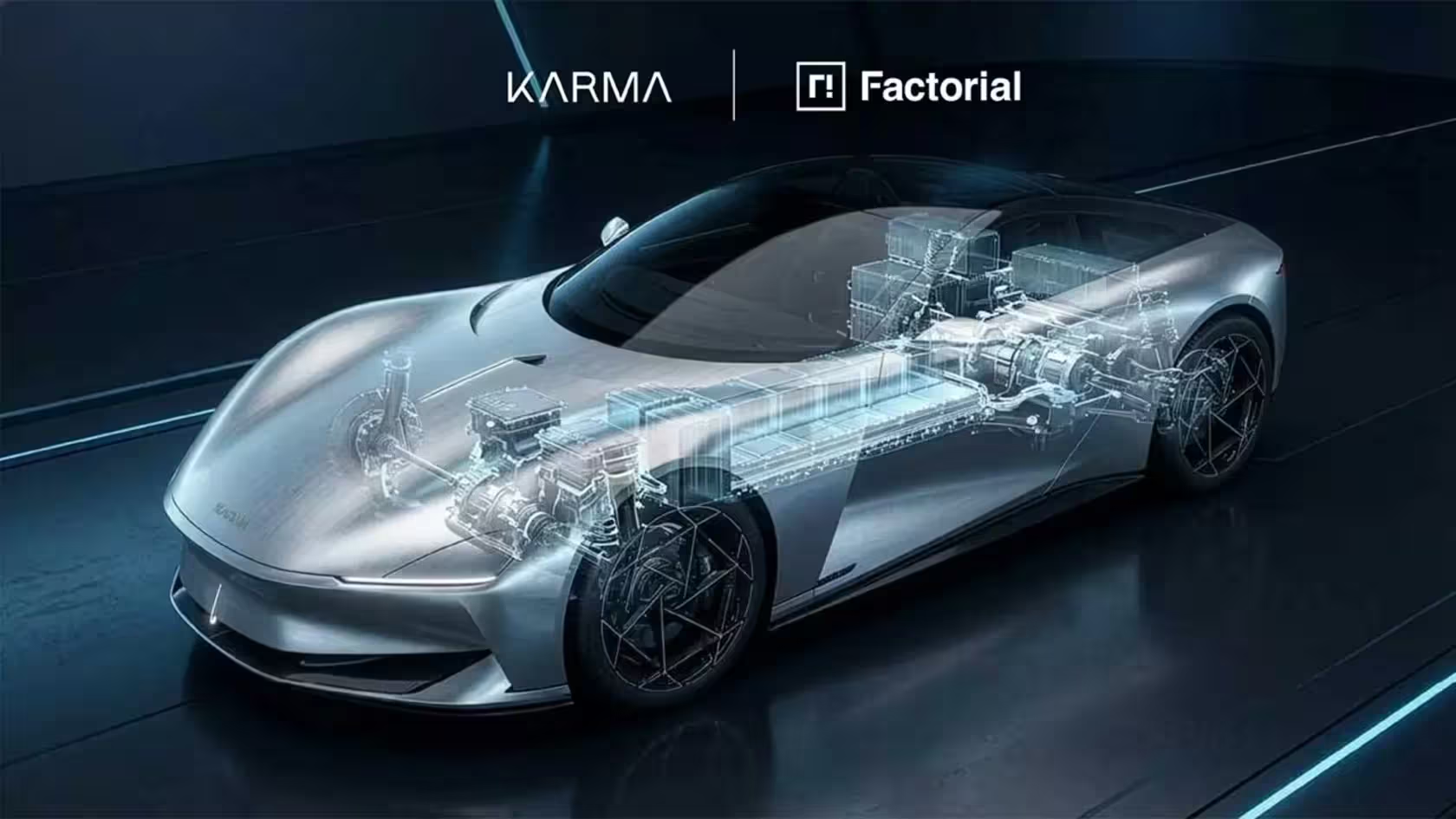
Factorial Energy, a supplier that already counts Mercedes-Benz, Hyundai and Stellantis among its partners, will provide the FEST solid-state system for Karma’s next-generation EV platform. That makes the Cavia not only a flagship performance model for Karma but also a milestone program for solid-state battery commercialization in the US market.
What makes FEST compelling is practical: the technology is engineered to be compatible with around 80% of existing lithium-ion production equipment. For Karma, that means lower capital expenditure, faster ramp-up and a smoother transition to higher-performance battery chemistry without building entirely new factories.
Expected battery and range improvements
Exact capacity figures for the Cavia’s new solid-state pack have not been released. Early plans had proposed a 120 kWh lithium-ion battery with roughly 400 km (250 mi) range. With solid-state cells, Karma expects a smaller, lighter battery pack that still delivers significantly greater driving range, improved energy efficiency and enhanced thermal safety compared with conventional lithium-ion systems.
Key benefits of solid-state batteries:
- Higher energy density for longer range
- Improved safety and lower fire risk
- Potentially faster charging and reduced pack weight
Performance and design: hypercar aspirations
Karma has penned serious performance goals for the Cavia. Twin electric motors will reportedly produce a combined 1,180 hp and 1,720 Nm (about 1,269 lb-ft) of torque. That output should send the Cavia from 0-60 mph in under 3 seconds and push top speed past 290 km/h (≈180 mph).
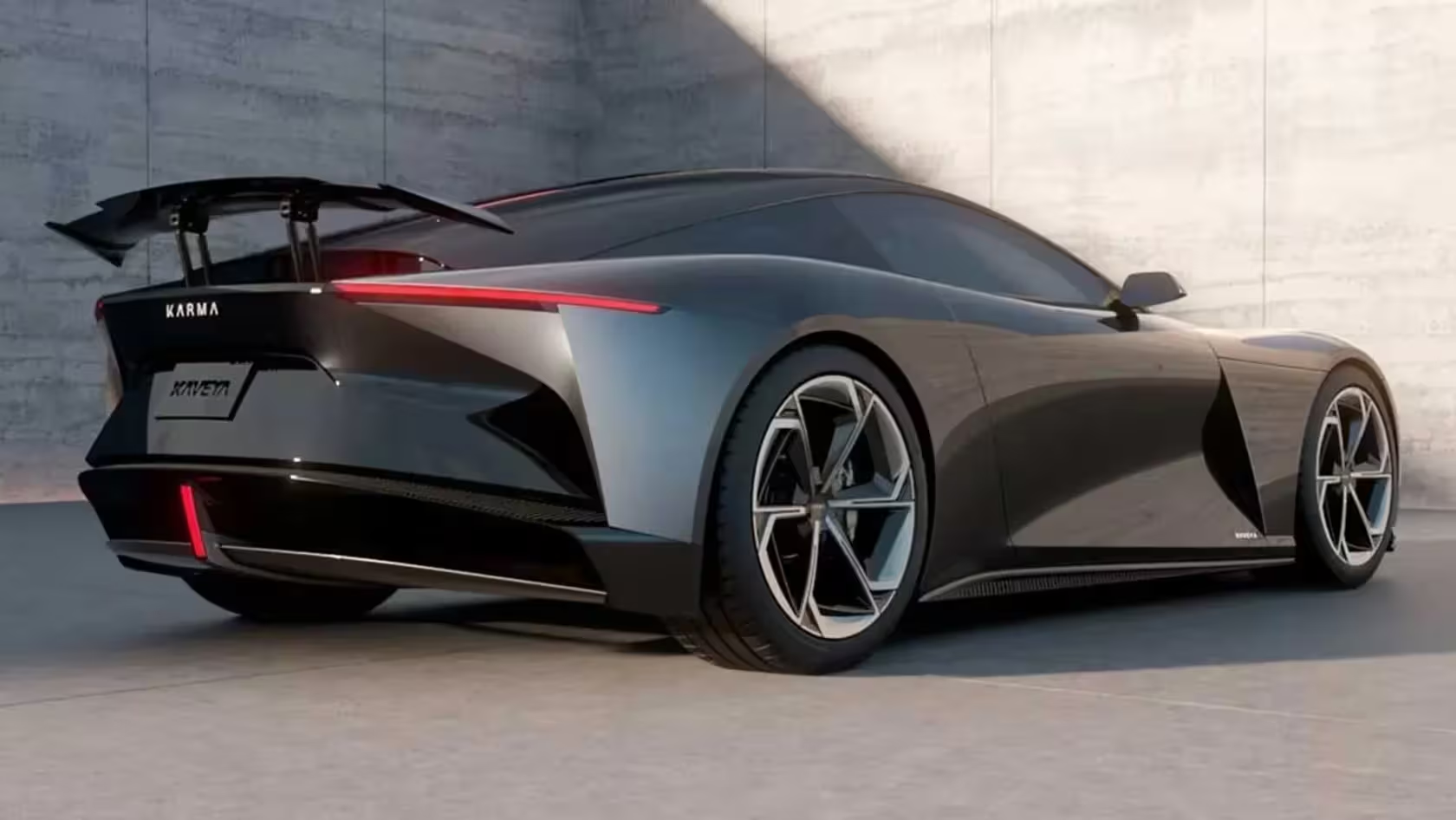
The engineering package emphasizes lightweight construction: a carbon-fiber body over an aluminum spaceframe aims to keep the curb weight near 2,400 kg (about 5,290 lb). Distinctive touches such as butterfly doors and sweeping grand-tourer lines give it a look that tips a hat to classic GT silhouettes while hinting at Ferrari-like presence.
Market positioning and launch timeline
Karma positions the Cavia as a halo model that will introduce its new platform and technologies to the market, paving the way for future models. CEO Markazi McCammon has said delays in the program were driven by the desire to perfect a luxury driving experience; partnering with Factorial is intended to ensure the launch meets those expectations.
According to current plans, Karma aims to start deliveries in late 2027. If the schedule holds, the Cavia will be one of the early production cars showcasing how solid-state batteries could reshape EV range, safety and performance in the premium segment.
"The Cavia is more than a car for Karma," one executive noted. "It is a testbed for next-generation EV technology and an announcement that solid-state is arriving at scale."
Highlights:
- 1,180 hp and 1,720 Nm torque
- Sub-3-second 0-60 mph
- Carbon-fiber body, aluminum spaceframe
- Planned market entry late 2027
For enthusiasts and industry watchers, Karma's move with Factorial is a signal: solid-state batteries may soon graduate from lab demos to road-ready hypercars.

Leave a Comment
Comments
No comments yet. Be the first.