
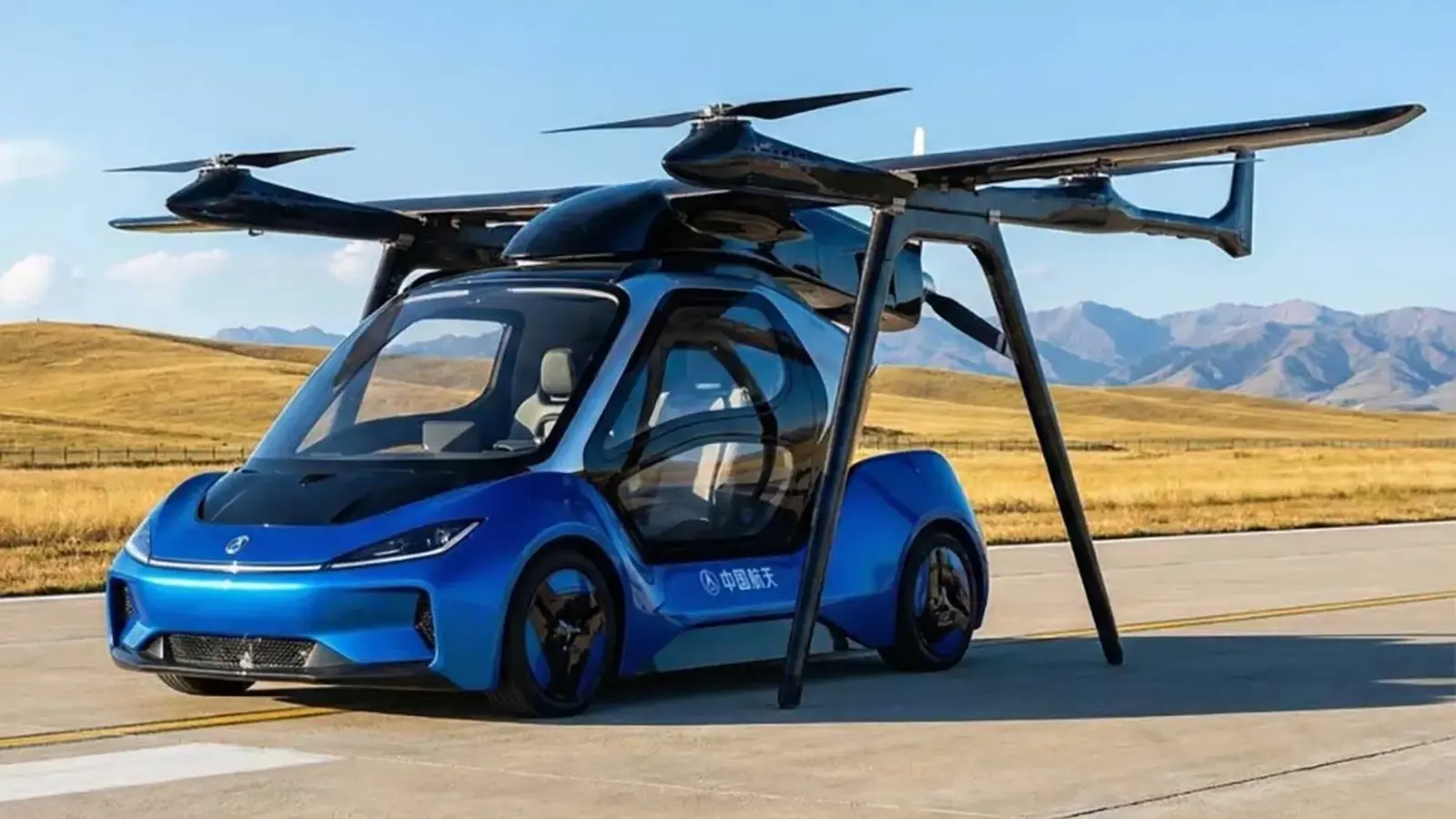
Historic test flight: CASC’s modular eVTOL takes off
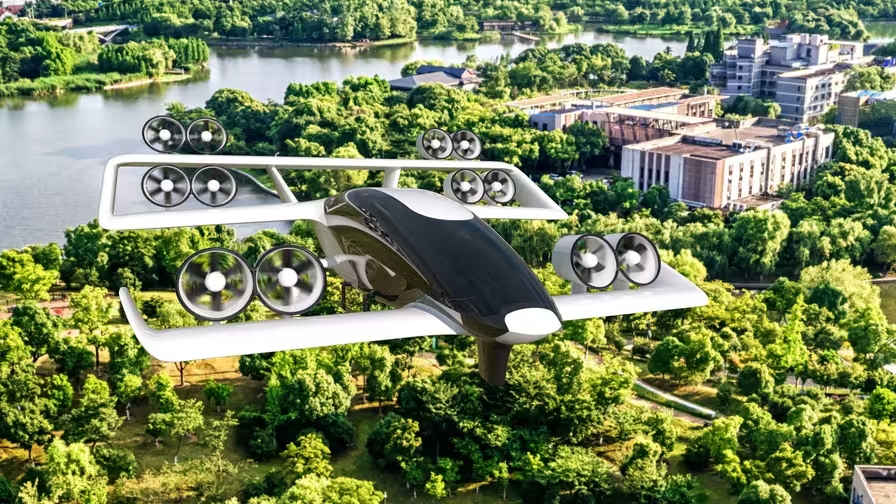
On February 6, 2026, Yongchuan Airport in Chongqing became the stage for a milestone in China’s urban mobility story. The Ninth Academy of the China Aerospace Science and Technology Corporation (CASC) completed the first test flight of its modular electric flying car prototype, demonstrating controlled vertical lift, stable forward flight and a successful transition between road and air modes.
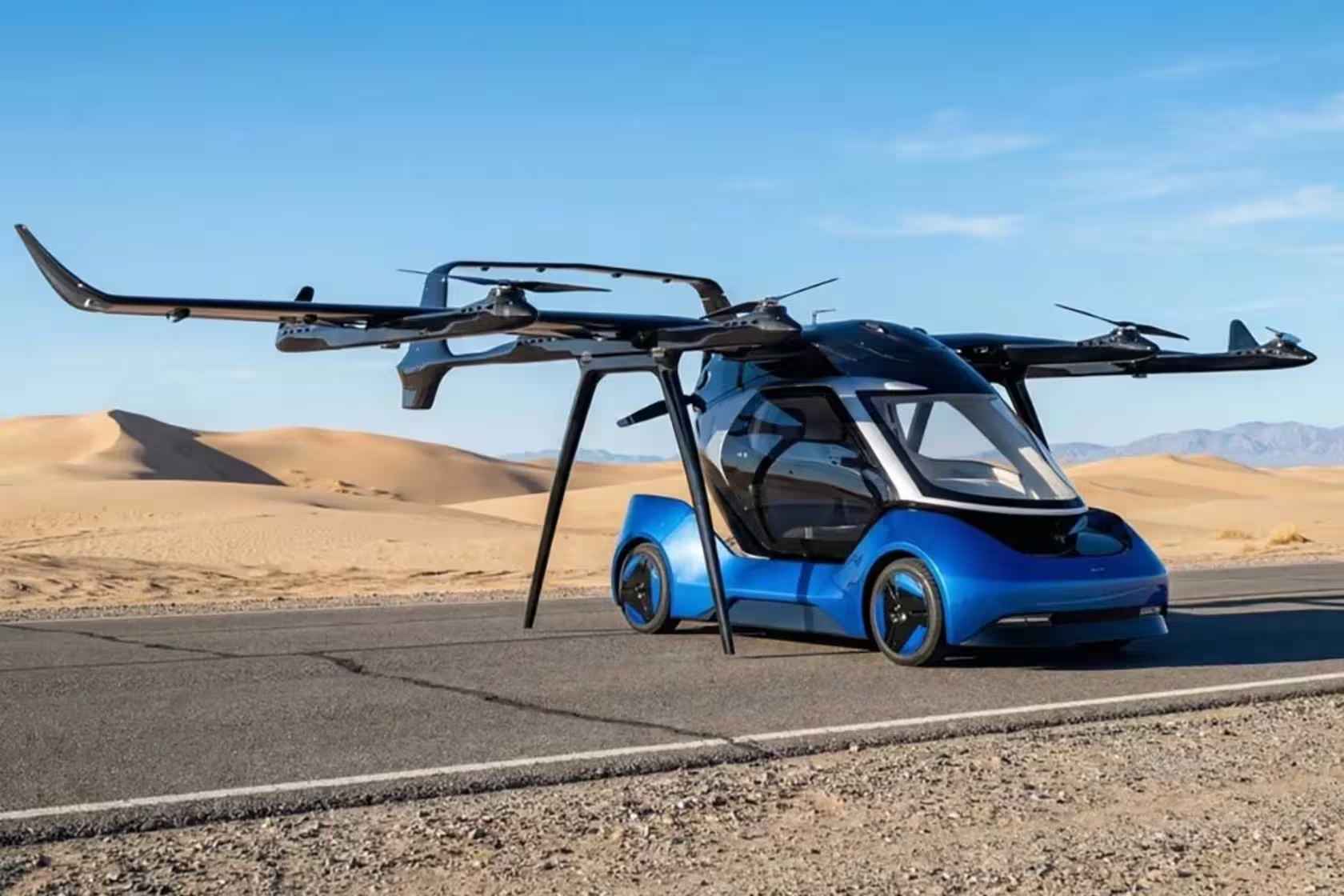
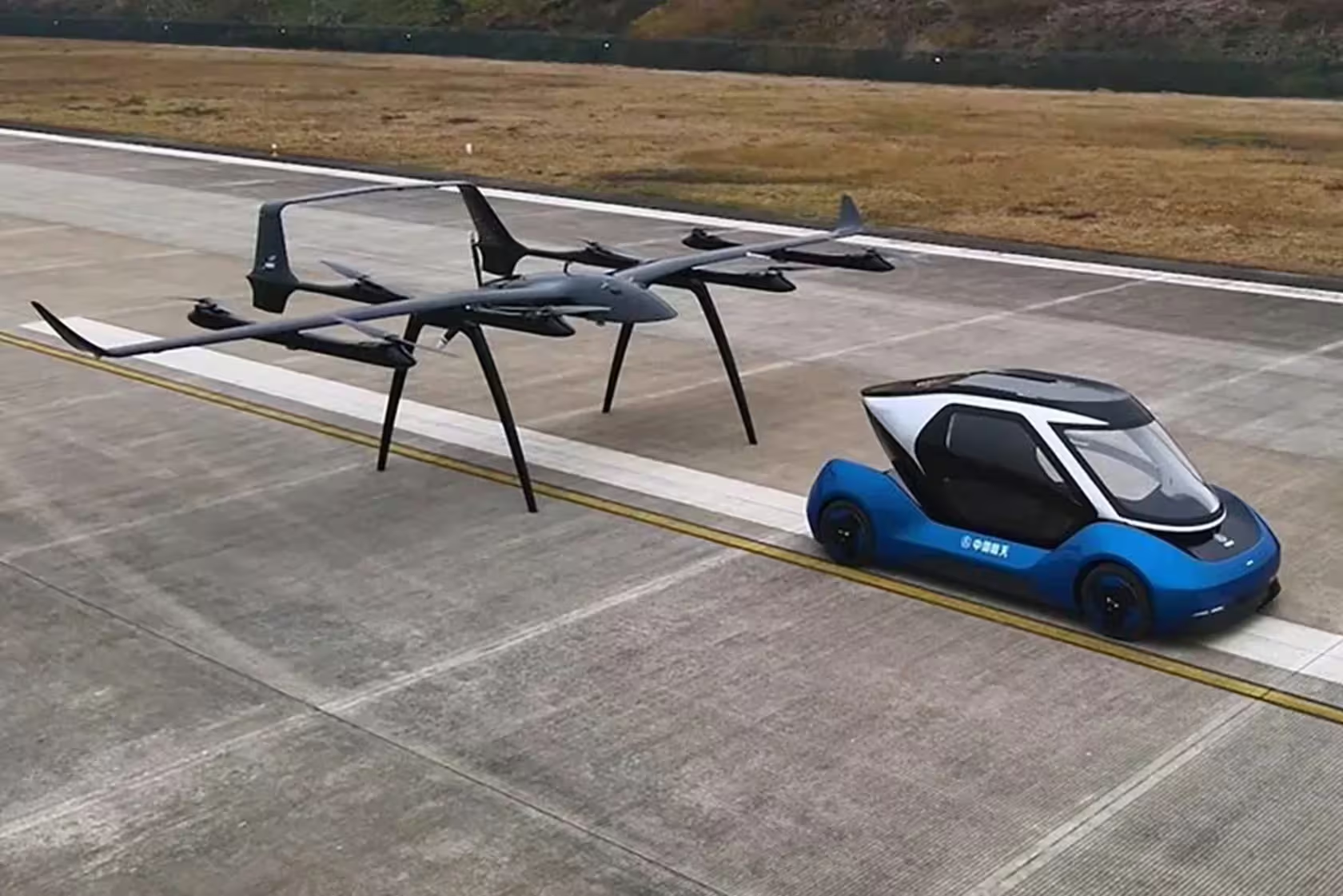
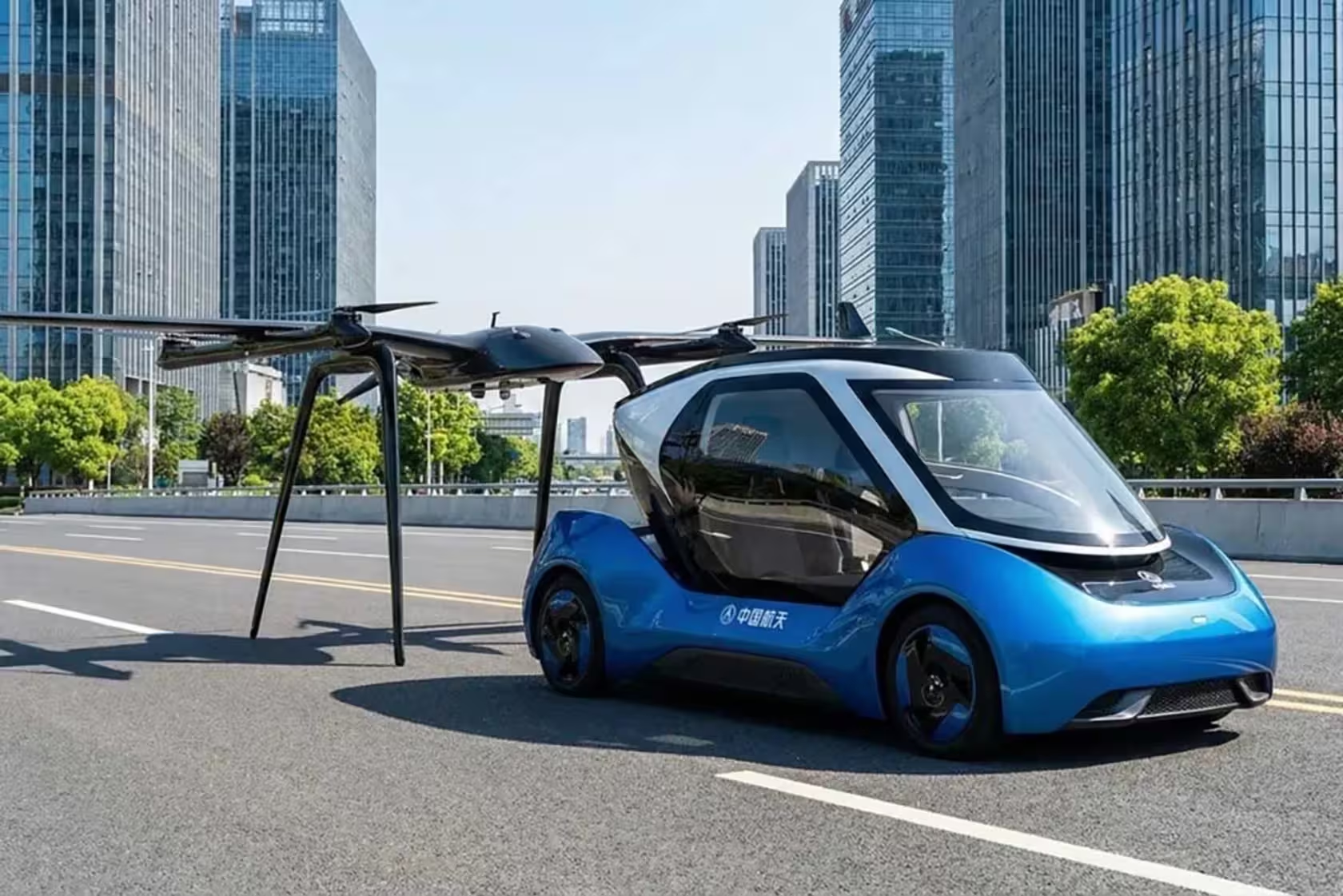
Unlike many paper concepts, this prototype is a working modular system made up of three primary components: wings, cabin and a ground chassis. During the demo, the vehicle carried two occupants at speeds up to 150 km/h at altitudes below 3,000 meters — proof that the platform can operate as both an eVTOL and an electric road vehicle.
Modular design and automatic docking
The project’s headline feature is its automatic leveling and separation mechanism. The airborne module docks to and undocks from the ground chassis autonomously, allowing quick swaps between different cabins, chassis types and wing configurations. That flexibility opens use cases beyond passenger transit, from urban logistics to emergency response.
Key technical highlights:
- Passenger capacity: 2 (demonstrated)
- Cruise speed (test): 150 km/h
- Flight ceiling during test: under 3,000 m
- Ground range (single charge): over 300 km
- Powertrain: full-electric chassis with intelligent systems
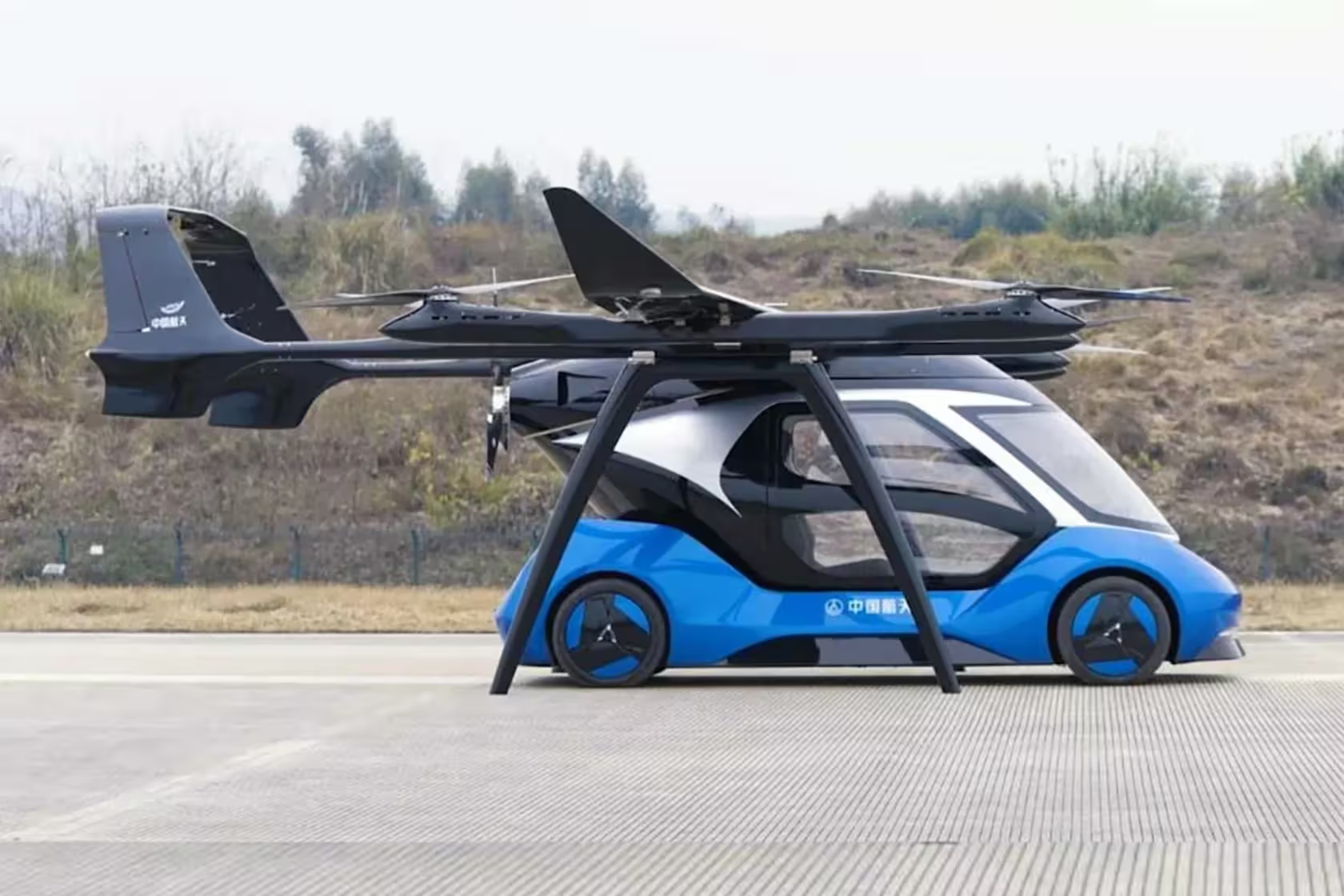
The road module is a fully electric smart chassis capable of more than 300 km per charge, positioning the concept as a true hybrid of automotive and aviation engineering rather than a simple aircraft with wheels.
Performance and safety milestones
CASC’s prototype confirmed a set of critical flight envelopes during the test: controlled vertical takeoff and landing (VTOL), steady forward flight and a reliable transition between ground and air modes. Those are fundamental requirements for any eVTOL to be considered for practical deployment. However, CASC emphasized that the flight was an early technology demonstration; regulatory approvals, extensive safety testing and certification remain before operational service can begin.
How this compares to private-sector efforts
Conceptually, CASC’s program echoes private initiatives such as XPeng’s large six-wheeled carrier concept, which embeds a small aircraft within a ground vehicle. The structural approach differs: CASC uses fully separate modules that mechanically connect, whereas XPeng-style designs integrate the aircraft more closely with a single large chassis. Another distinction is governance — CASC’s effort is state-led and currently a capabilities showcase, while companies like XPeng pursue commercial pathways in the private sector.
Both approaches share an objective: reduce urban congestion through low-altitude aerial mobility and offer new options for transporting people and goods in megacities.
Market context and what’s next
China is investing heavily to be a leader in eVTOL technology. For automakers and suppliers, that means growing opportunities across batteries, electric powertrains, avionics integration and intelligent docking systems. Before flying cars appear on ride-hailing apps or emergency fleets, developers must navigate airworthiness certifications, noise regulations, urban air traffic management and infrastructure for charging and landing pads.
Quote highlight:
"The test validated key maneuvers and the modular docking system," CASC said, framing the flight as a technology demonstration rather than the start of commercial operations.
For car enthusiasts and industry watchers, CASC’s flight is an intriguing intersection of automotive engineering and aerospace — a glimpse of how future electric powertrains and smart chassis could integrate with low-altitude flight to reshape urban transport.
- Prospects to watch: battery energy density improvements, autonomous flight control, and regulatory frameworks for eVTOLs.
As with all early prototypes, timelines remain uncertain. Still, the successful flight adds momentum to the global race to build practical, certified flying cars that combine electric vehicle range with vertical-lift versatility.

Leave a Comment
Comments
No comments yet. Be the first.