
2 Minutes
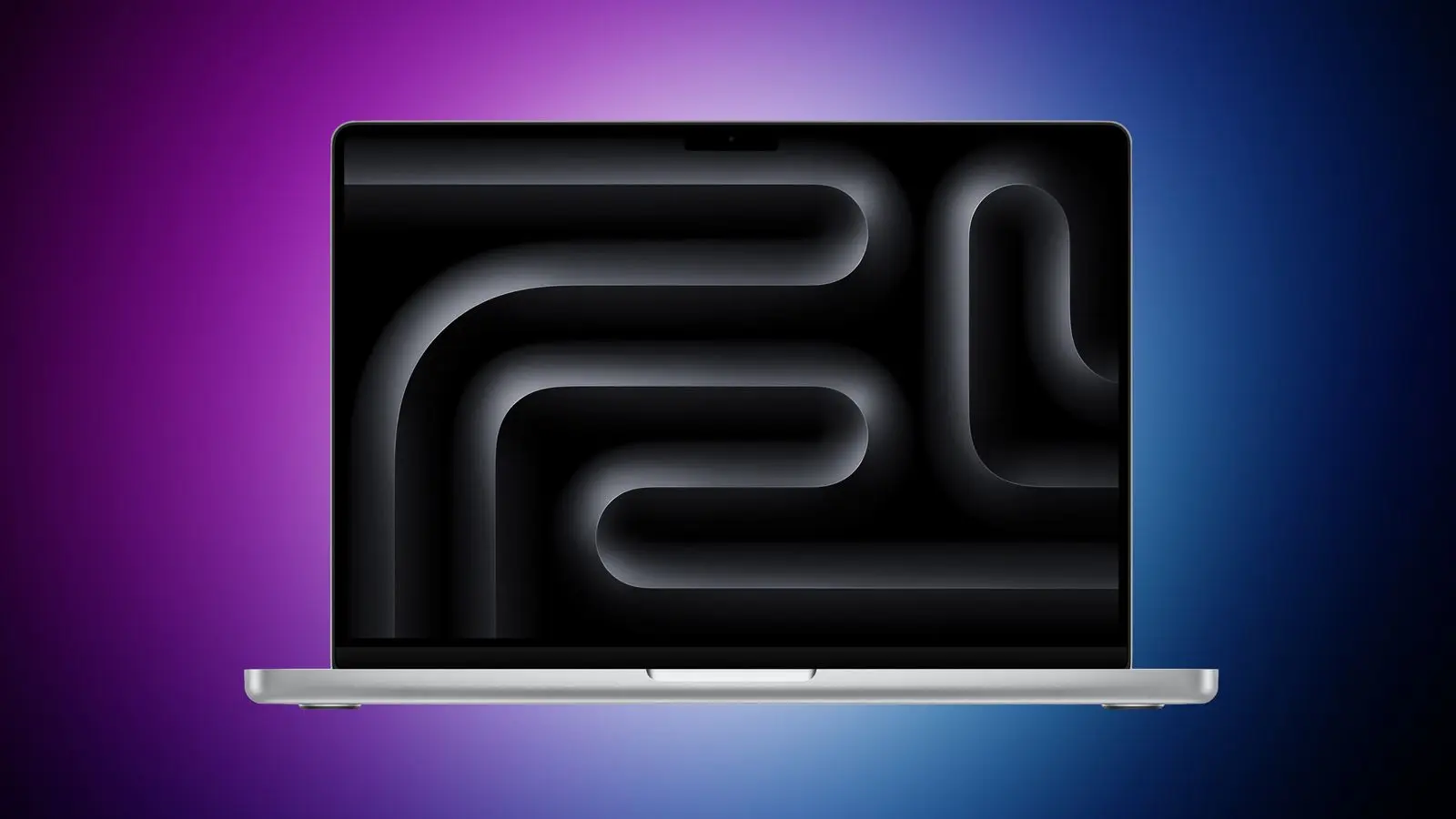
Picture this: you’re pecking away at a spreadsheet on a busy train when someone three rows back leans in—and suddenly your private work is public. Annoying, right? Rumors now suggest Apple could be planning a quiet fix, borrowing a smart trick from Samsung to keep prying eyes out of your laptop business.
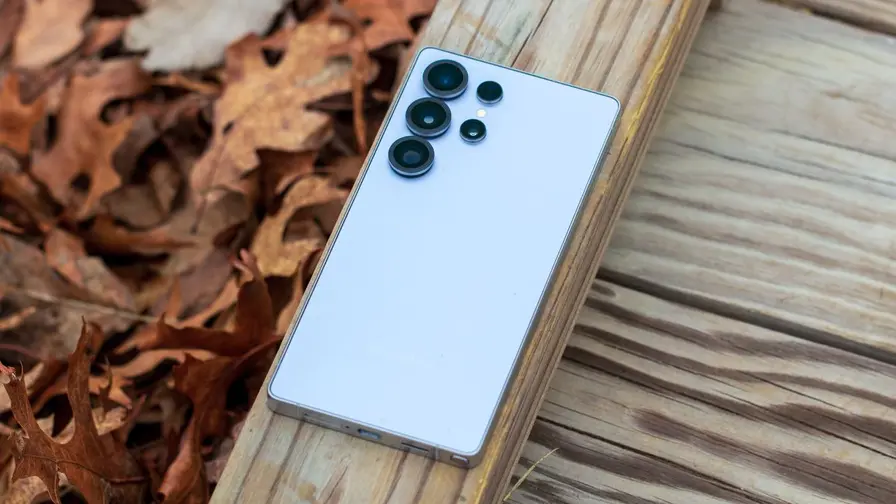
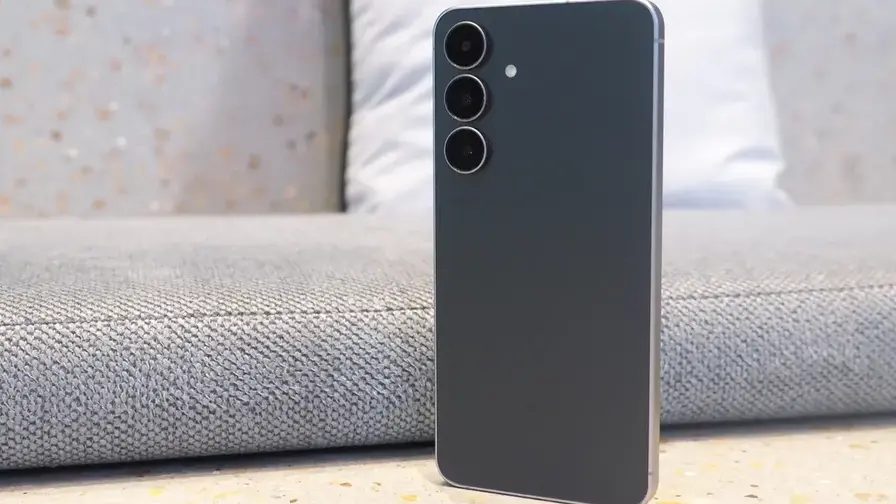
Tipster Ice Universe claims Apple may adopt Samsung’s Privacy Display technology for future MacBooks, timed with the company’s gradual move to OLED panels. That timing isn’t incidental. Samsung’s system, which will debut on the Galaxy S26 Ultra, relies on Flex Magic Pixel OLED hardware that can steer light at the pixel level. Think of it as a traffic director for photons: straight-on viewers see a crisp image, while side glances run into a dark wall.
Unlike sticky privacy films that dim the entire screen forever, this approach switches on and off. It can target sections of the display or individual apps. Want your email visible but not the banking tab? That’s the promise. It’s a software-and-hardware tango—OLED doing the heavy lifting while software decides who gets to look.
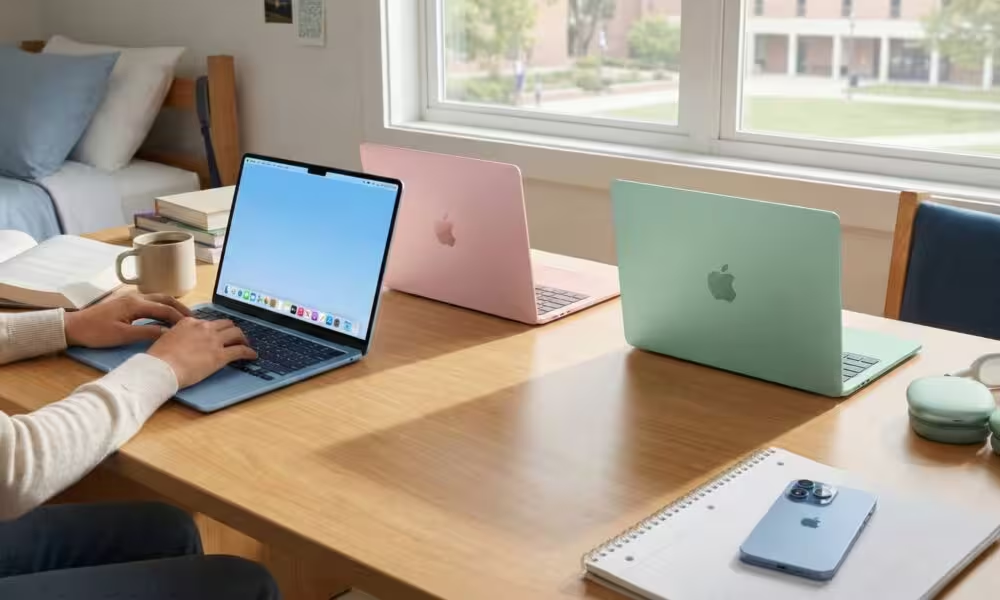
Why would this matter for MacBooks? A 14- or 16-inch panel in a café is more exposed than a phone snuggled in a palm. Laptop screens broadcast more. Current magnetic and adhesive filters work, but they blunt brightness and color fidelity—no good for photographers, video editors, or anyone who cares about image quality. A built-in, toggleable privacy layer keeps picture quality intact while restoring discretion. Elegant. Practical.
The leak pins a possible rollout to Apple’s 2029 MacBook line, which aligns with analysts’ expectations that OLED will arrive first in Pro models. Scaling Samsung’s pixel-level privacy from compact phone panels to large laptop displays isn’t trivial. Larger area, different power and thermal constraints, and supply chain logistics all add complexity. Expect a careful, staged approach rather than a sudden, across-the-board flip.
For now, this sits squarely in rumor territory. Apple hasn’t announced any display-level privacy plans, and supply chain chatter can be noisy. Still, if Samsung’s privacy tech proves reliable on the S26 Ultra, it becomes hard to imagine rival makers not exploring similar options. Competitors borrow good ideas all the time. Why should laptops be left out of the privacy revolution?
If you care about screen privacy, keep an eye on Samsung’s rollout and Apple’s OLED timetable. The coming years could make public workspace security feel less like a compromise and more like an afterthought.


Leave a Comment
Comments
No comments yet. Be the first.