
2 Minutes
Apple's Face ID rewrote the rules for phone unlocking. Quietly, Google appears to be writing a new chapter of its own.
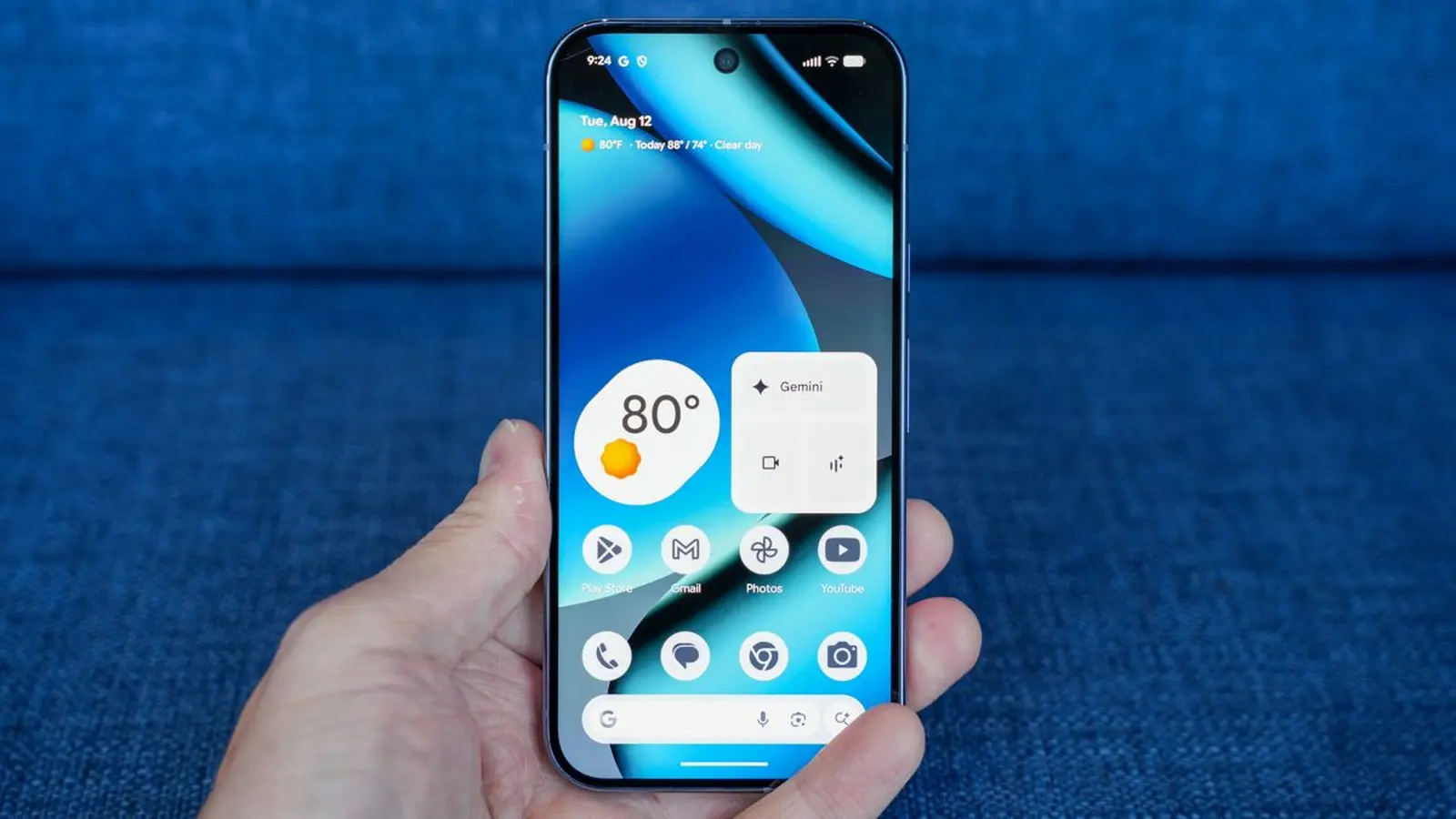
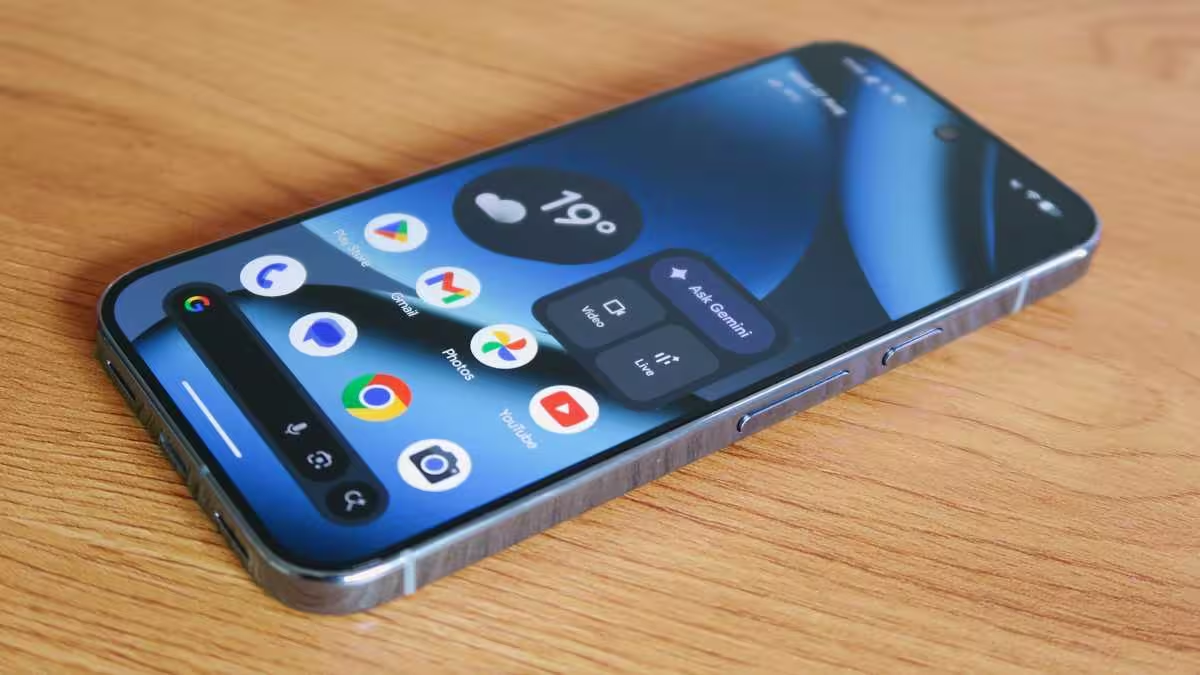
Internally dubbed Project Toscana, the work aims to bring Face ID–level face unlocking to the Pixel 11 family and, surprisingly, some Chromebooks. A tester who saw an early build says the system works without any extra visible sensors on the Pixel devices. In other words, outwardly the phone looks like a Pixel 10, but the face unlock behaves very differently.
Is it using infrared like Apple's system? That part is still murky. If it is, the infrared components may be tucked beneath the display — a stealthy placement Apple itself is rumored to be exploring for future iPhones. The practical upshot, according to the source, is that unlocking performs reliably in dim rooms and bright sunlight alike.
Google has flirted with IR-based facial recognition before, and rumors about bringing those capabilities to the Pixel 11 surfaced last year. What feels new this time is the cross-device ambition: engineers testing the same approach on Chromebooks suggests Google wants a consistent biometric experience across phones and laptops, not just a one-off feature.
Speed matters. The report claims Project Toscana unlocks as fast as Face ID. That’s notable because Pixel devices already offer fingerprint sensors, which many users trust and prefer. Still, a fast, dependable face unlock that works regardless of ambient light gives users a genuine alternative and simplifies how people move between devices.
There are obvious trade-offs to consider. Under-display IR adds complexity to hardware design and assembly. It also raises familiar privacy and security questions: how will Google handle on-device processing, liveness checks, and potential spoofing attempts? Those answers will determine whether this is a convenience upgrade or a real step up in biometric security.
For now, Project Toscana is a leak-shaped promise. If Google pulls it off, we could see face unlocking become a first-class feature across Pixels and Chromebooks, shifting expectations about what seamless authentication should feel like.



Leave a Comment
Comments
No comments yet. Be the first.