
3 Minutes
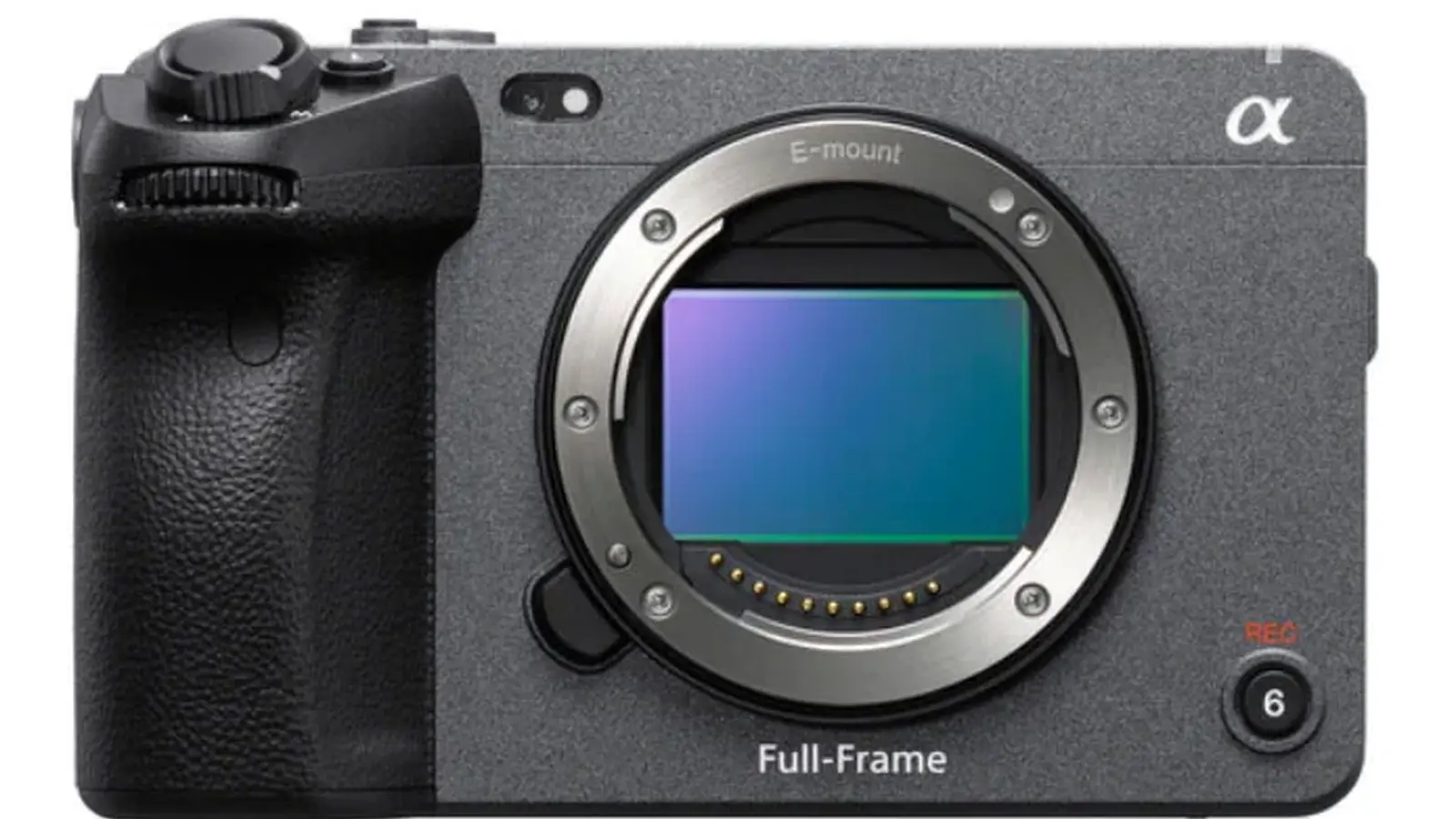
Imagine a camera sensor built not to win a megapixel contest, but to chase motion and darkness — that's the rumor drifting out of Sony's labs. A prototype 16-megapixel, partially stacked CMOS sensor is said to be focused on video: faster readout, cleaner high-ISO performance, and the kind of frame rates that used to live only in cinema gear.
Partially stacked. What does that mean? Think of sensor architecture as a layered cake. Sony's full-stack designs tuck most of the circuitry under the photodiodes for blistering read speeds, but they’re expensive. A partial stack puts some analog-to-digital and other circuitry beneath the light-sensitive layer—enough to shave readout time and reduce rolling shutter, without the full cost of a top-tier stacked chip.
Speed is the headline here. Reports claim the sensor will oversample from nearly 5K down to 4K and can read out fast enough to support up to 240 frames per second in certain modes. Yes, 4K at 240fps. That would leapfrog current cinema-line limitations and give filmmakers and hybrid shooters practical slow-motion options without external recorders or awkward crop modes.
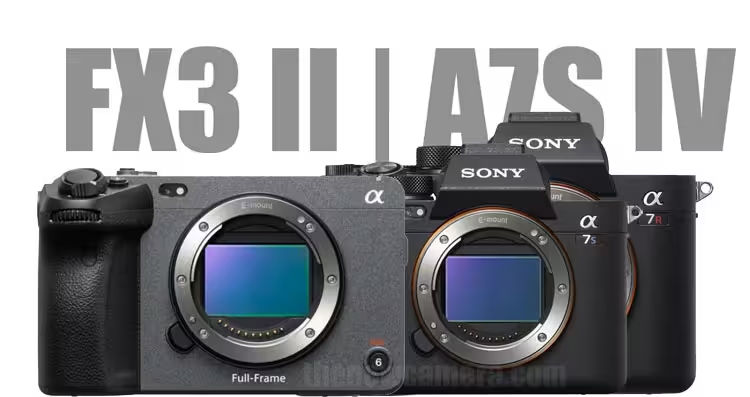
Pixels matter too. The rumored 7.2µm pixel pitch is large for modern full-frame sensors, and that directly helps low-light sensitivity and cleaner video at high ISO. Sony's A7S family has long prioritized pixel quality over count. This 16MP approach reads like the same philosophy: fewer pixels, stronger per-pixel performance, and better dynamic range when the lights go down.
Autofocus and HDR features are part of the whisper network as well. Full-pixel dual-phase detection could allow accurate AF even at high frame rates. DCG-HDR support is mentioned, which hints at broader dynamic latitude for bright highlights and deep shadows. Active stabilization with minimal crop is another rumored plus — small but crucial for run-and-gun shooters.
Timelines are, as always, tentative. The chatter points to a cinema-line refresh as soon as Q2 2026, with an A7S successor following later in the year or possibly slipping into early 2027. Price talk lands the possible FX3 II around $3,500–$4,000, and an A7S IV nearer $3,000, though those figures should be taken with salt.
If real, this sensor signals a deliberate shift: prioritizing motion and low-light fidelity over sheer resolution. Filmmakers who habitually trade resolution for usable frame rates and clean low-light images will want to watch this closely.
Rumors are just that—rumors—but the shape of Sony’s next move seems clear: trade pixel count for pixel quality, push readout speeds, and give creators more native slow-motion options. Who's ready to shoot 4K at 240fps without a workaround?








Leave a Comment
Comments
No comments yet. Be the first.