
4 Minutes
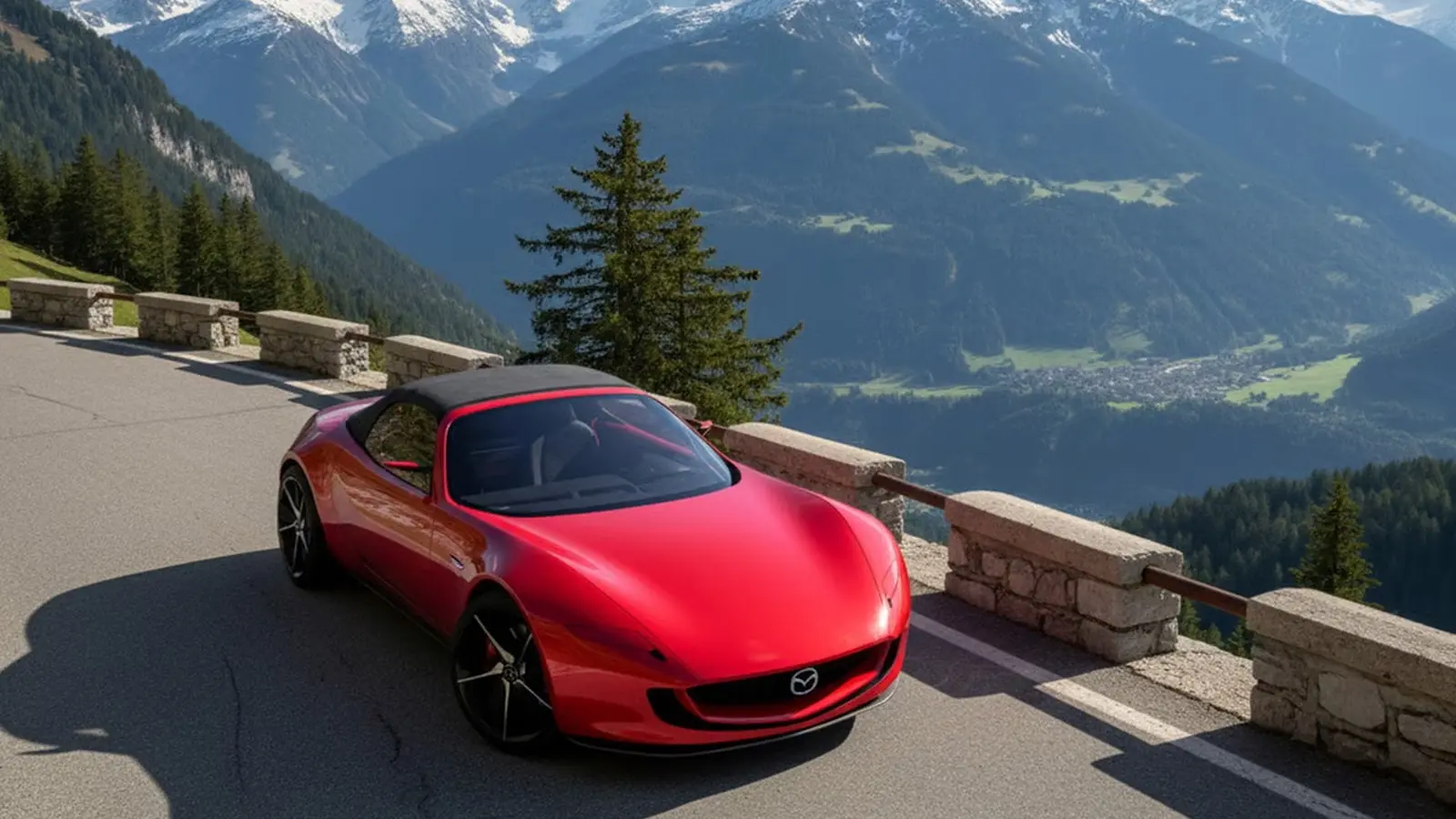
Mazda's beloved roadster looks set for a thoughtful evolution
I found myself at a self-service carwash the other day thinking about how long I’ve held on to my 2012 station wagon. Surrounded by shiny 2025+ SUVs and luxury sedans, the old estate felt out of step with the times—and the final bill reflected that. Ten minutes of browsing classifieds later, and I was daydreaming about roadsters again—namely the Mazda MX-5.
After spending a few days with the ND in 2024, I remember why the MX-5 remains a frequent answer to the question 'what makes driving fun?'. It’s compact, communicative and absurdly light compared with most modern cars. Enthusiasts still idolize the NC with a 13B swap, and debates about power figures and weight are common on forums and owner groups. That passion explains why news that Mazda is working on the next-generation MX-5 has the community buzzing.
What Mazda executives are saying
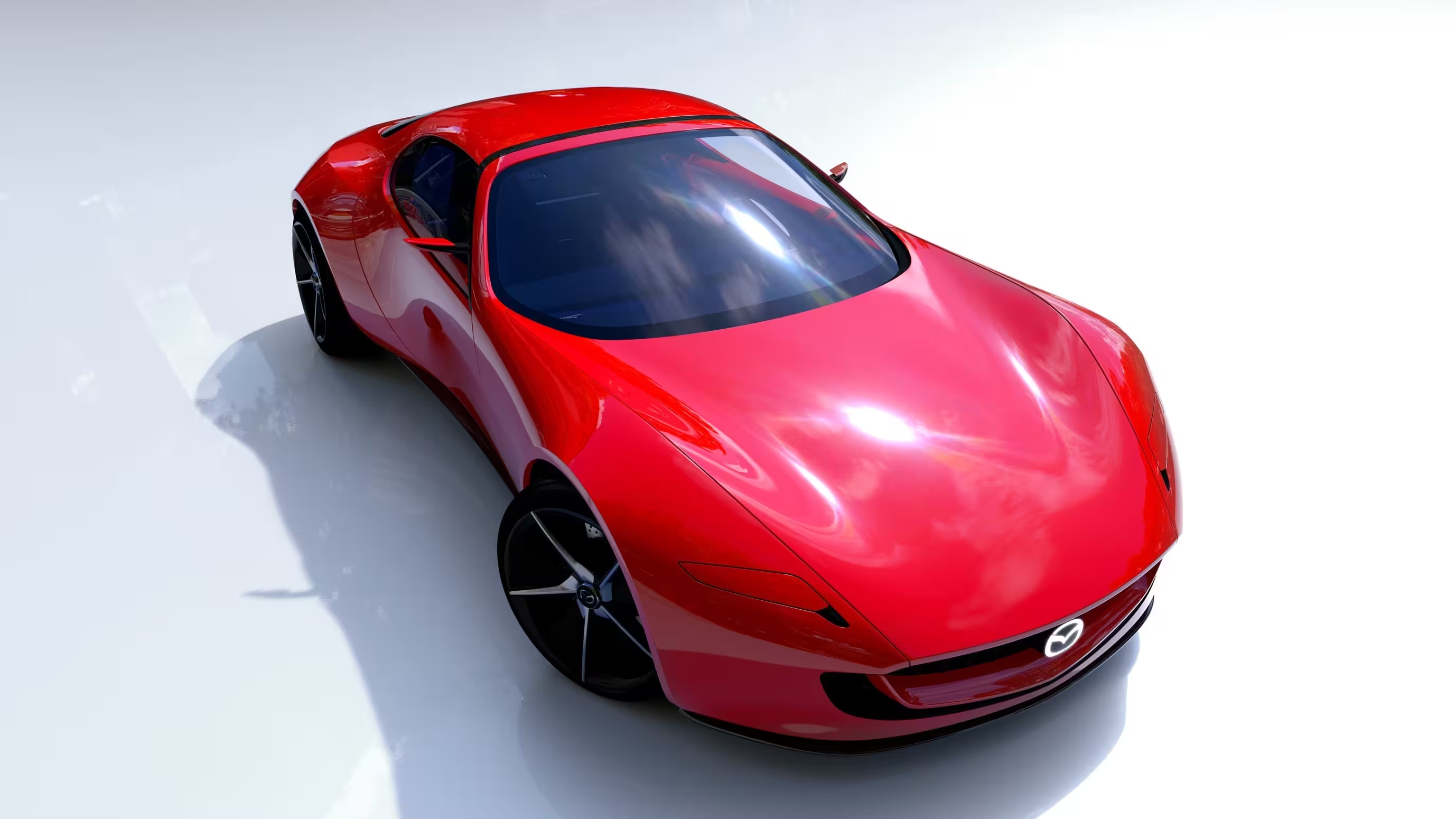
New information comes from interviews published by Autorai.nl with two Mazda Motor Europe leaders: Jo Stenuit, head of Design, and Christian Schultze, Director of Research and Operations. Their remarks make one point clear: Mazda values the MX-5’s DNA and doesn’t intend to break the formula that has delivered decades of driving pleasure.
Stenuit confirmed no final decision has been made on the next MX-5s powertrain. That deliberate pause suggests Mazda is weighing several options rather than rushing into full electrification for a model that has always been defined by low weight, mechanical purity and affordability.
Likely powertrain direction: mild-hybrid first
According to those conversations, electrification is on the table but will likely be executed conservatively. The most plausible approach is a mild-hybrid setup that complements a small internal-combustion engine. That system could pair with sustainable synthetic fuels to help the car meet tightening emissions rules without losing the characteristics fans love.
Key points on powertrain speculation:
- Mild-hybrid assistance to preserve driving feel and reduce fuel use
- Potential use of synthetic fuels to meet emissions targets
- A full-electric MX-5 seems unlikely for this generation
- Range-extender ideas were mentioned, but Mazda views that as a risky bet after the MX-30’s weak sales performance
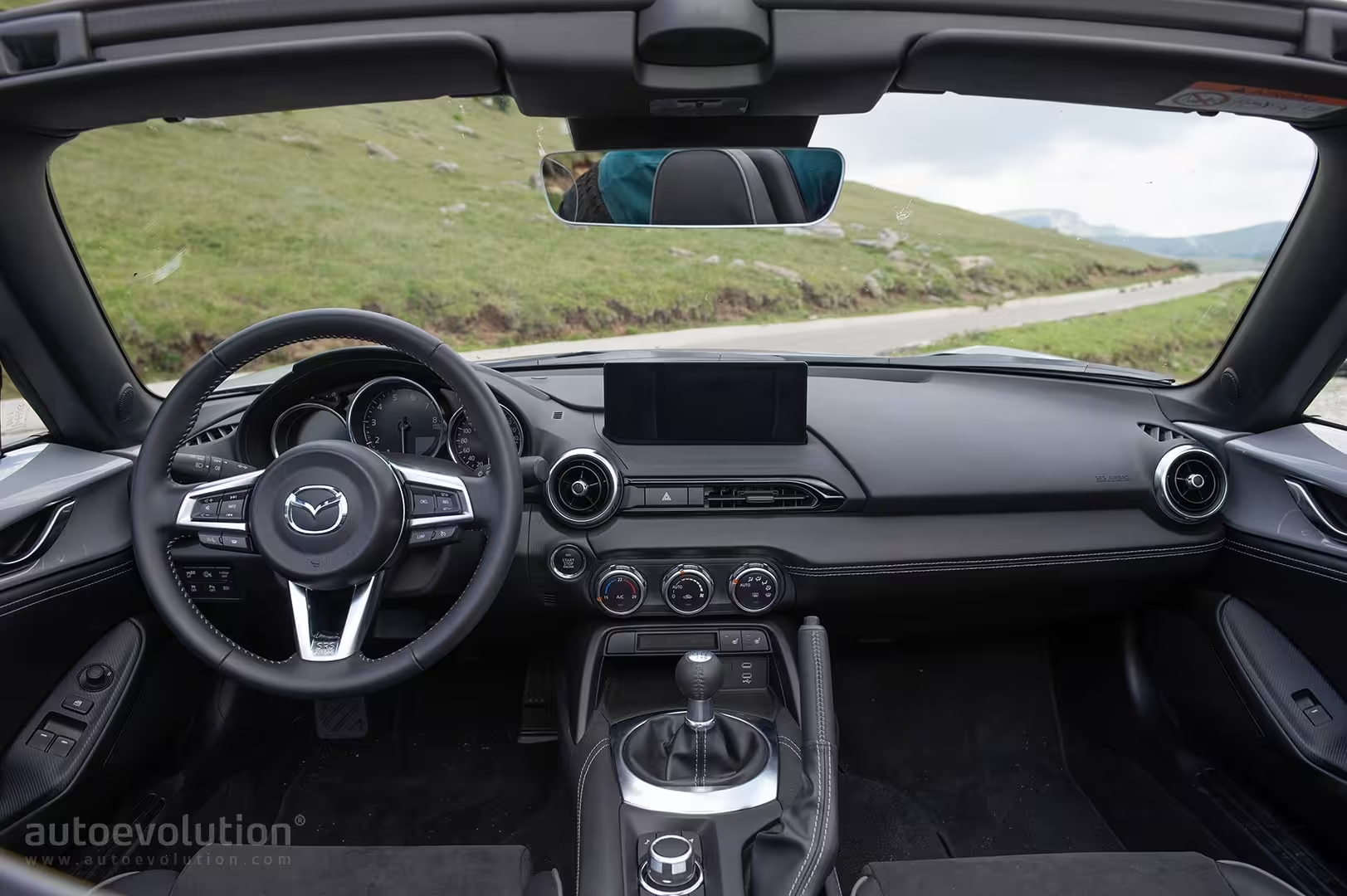
There is also tantalizing talk about rotary possibilities. Mazda has flirted with range-extending rotary tech in concept form before, and some fans fantasize about a compact rotary like the 16X returning to the front of a roadster. While that remains speculative, Mazda’s rotary experiments keep the conversation alive.
Design and driving philosophy won’t change

One clear message from Mazda is that they will not sacrifice the car’s soul. The next MX-5, internally referred to by some as the NE, will aim to remain lightweight, balanced and affordable. Those objectives influence everything from chassis tuning to material choices and powertrain packaging.
If Mazda stays true to the formula, the new car will target buyers looking for an accessible two-seat sports car that delivers pure driving enjoyment rather than raw horsepower numbers. That positioning matters in a market increasingly dominated by heavier, tech-laden vehicles.
Market timing and regulation context
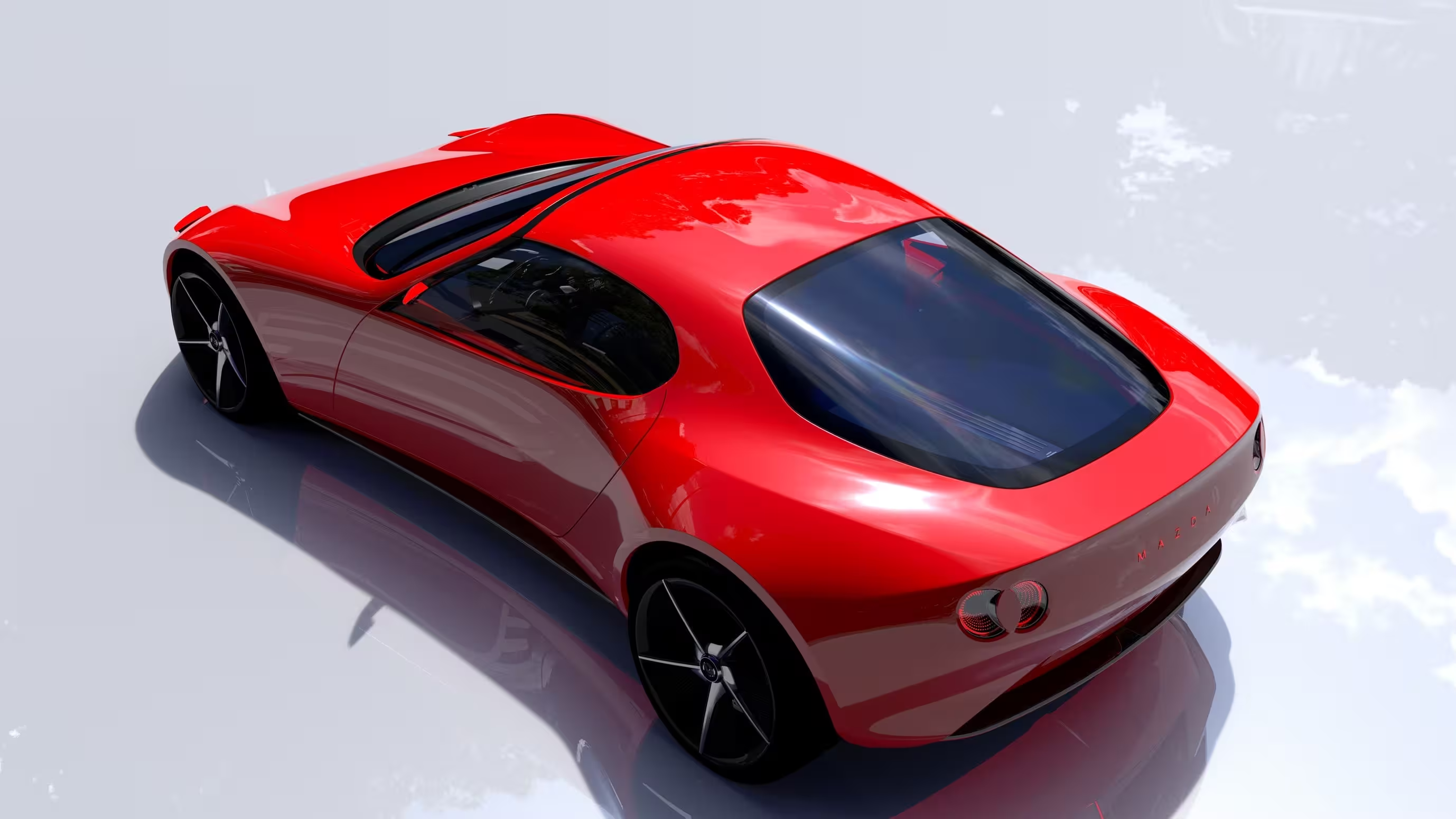
Timing remains uncertain. The ND has been on sale for over a decade, and Mazda reportedly began working on the successor architecture around 2024. With regulatory landscapes shifting—notably the EU’s revised approach to the 2035 combustion-engine restrictions—a mild-hybrid MX-5 that can run on synthetic fuels would make strategic sense.
Based on the interviews and the development timelines typical for small sports cars, a plausible delivery window is later this decade. That’s long enough for engineers to refine the package and for Mazda to choose a pragmatic powertrain solution.
What this means for buyers and enthusiasts
For buyers, the next MX-5 should remain an affordable halo for the brand—not an exotic priced beyond reach. If Mazda adds mild-hybrid assist, expect improved fuel economy and emissions without sacrificing throttle response or lightness.
For die-hard enthusiasts, the possibility of any rotary involvement is exciting, but realistic expectations are required. A small-displacement turbo rotary or a compact rotary used as a range extender could appear, but Mazda will likely favor lower-risk technologies unless the business case is strong.
Quick highlights:
- Fun, lightweight driving remains Mazda’s priority
- Mild-hybrid power is the most probable near-term electrification route
- Rotary tech remains a possibility but is not guaranteed
- Expect the new model to target affordability and driver engagement
Final thoughts
Mazda appears to be taking a cautious, thoughtful approach to the MX-5 successor. Rather than following the market’s rush to full electric conversions, the company seems intent on preserving what makes the MX-5 special while adapting to emissions constraints with modest electrification and potentially synthetic fuels. That balance should reassure purists who feared Mazda would abandon lightness and driving purity in search of headlines.
Until Mazda makes firm announcements, fans will keep speculating about turbo rotaries, tiny engines and the ideal curb weight. If the interviews are any guide, the next MX-5 will try to be exactly what it should be: a small, affordable roadster that still makes driving feel like the point.


Leave a Comment
Comments (2)
sounds cautious, but is this even true? the MX-5's soul is in the weight and feel, synth fuels sound like a band aid. curious how price stays low tho
wow if Mazda keeps it light and maybe a tiny rotary I'm actually hyped! mild-hybrid makes sense, pls dont bloat it with gadgets or weighty tech