Read More Scince News Nature a month ago Physics Confirms Moai Statues Walked on Easter Island New experiments and simulations show that Easter Island's Moai could be moved by a coordinated rope-and-rock "walking" method. A 4.35-ton replica moved ~100 m in 40 minutes, supporting oral histories and archaeological evidence.
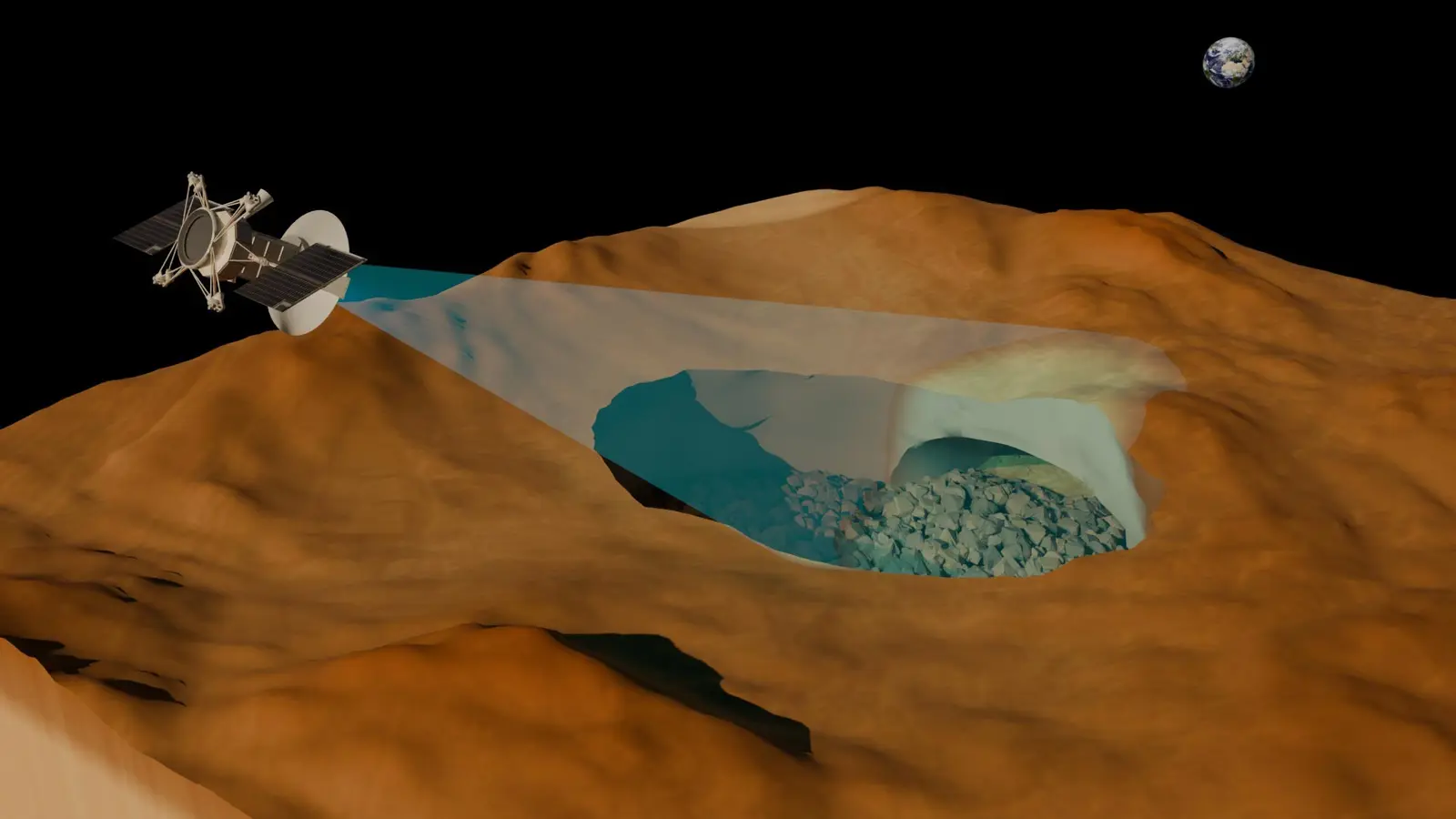
Read More Scince News Space a month ago Uranus Moon Ariel: Evidence for a 100-Mile Deep Ocean New Icarus research finds Ariel, a moon of Uranus, may have hosted a subsurface ocean up to 100 miles (170 km) deep. Models linking surface fractures and tidal stress point to past orbital heating and interior oceans.
Read More Scince News Space a month ago Quasar J0529 Shrinks: Outflow Cuts Mass Estimate Tenfold GRAVITY+ observations of quasar J0529 reveal a 10,000 km/s outflow that inflated emission-line widths. Correcting for the outflow lowers the black hole mass estimate tenfold, reshaping early-Universe growth models.
Read More Scince News Health a month ago Living Fungal Hydrogels: A New Frontier in Wound Healing Researchers report that Marquandomyces marquandii can form living mycelial hydrogels with layered porosity and 83% water retention, offering a potential new biomaterial for wound healing and tissue scaffolds.
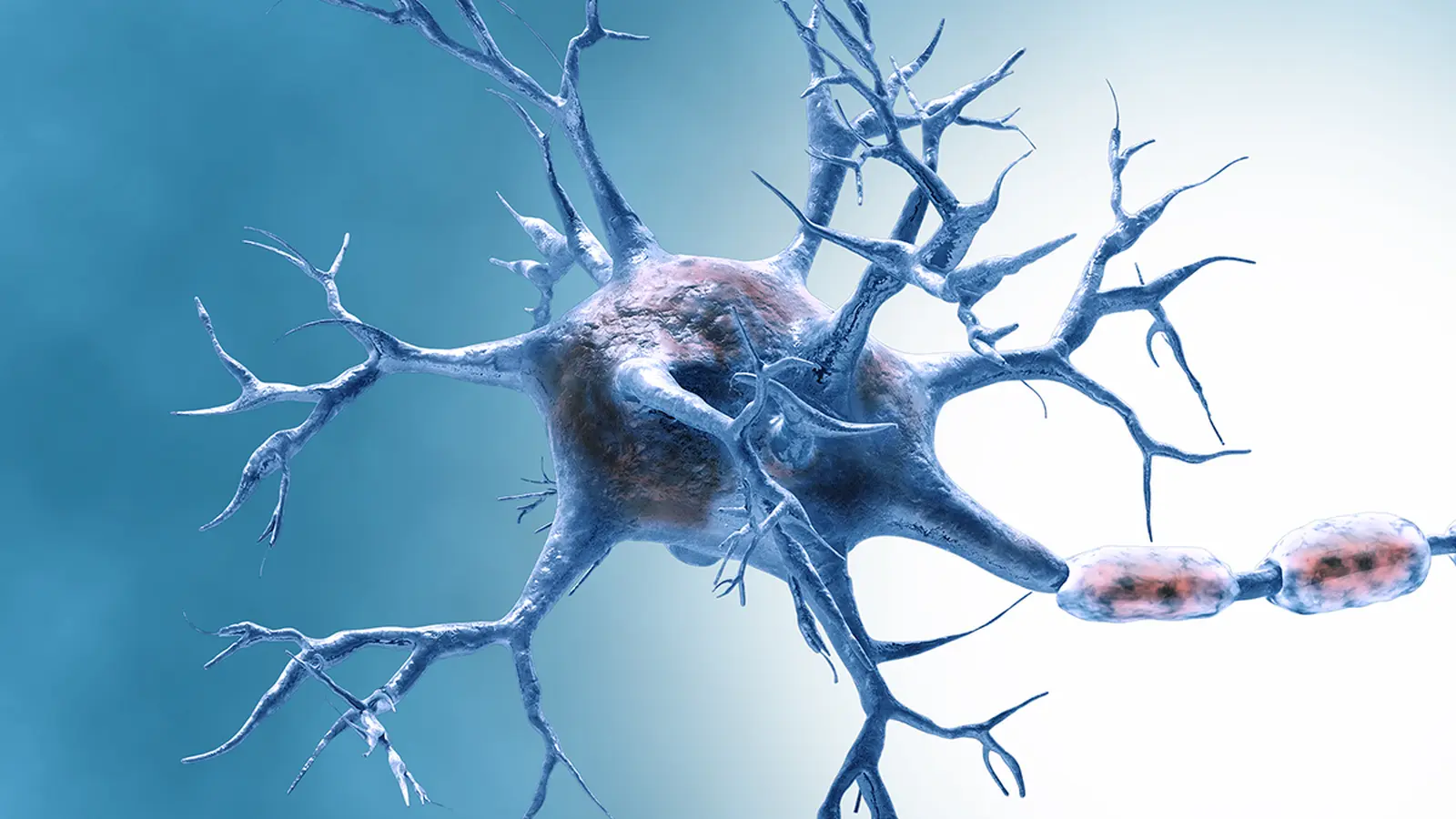
Read More Scince News Health a month ago Alzheimer's as Autoimmune: New Immune-Based Perspectives An immune-centered view of Alzheimer’s suggests the brain’s defenses may mistakenly target neurons. This article examines the autoimmune hypothesis, beta-amyloid’s dual role, alternative theories, and treatment implications.
Read More Scince News Health a month ago Simple Blood Test Predicts Severe Liver Disease Risk Researchers at Karolinska Institutet developed CORE, a simple risk model using age, sex and three routine liver enzymes to predict severe liver disease up to 10 years ahead, improving early detection in primary care.
Read More Scince News Space a month ago Million-Sun-Mass Dark Object Detected by Global Radio Array Astronomers using a global radio-telescope array have detected a million-solar-mass dark object through gravitational lensing. The finding supports cold dark matter models and opens new searches for hidden substructures.
Read More Scince News Nature a month ago Cyanobacterial Toxins Linked to Alzheimer’s in Dolphins New research links cyanobacterial neurotoxins like BMAA and 2,4-DAB to Alzheimer’s-like brain pathology in stranded dolphins, highlighting risks from blooms driven by warming and nutrient pollution.
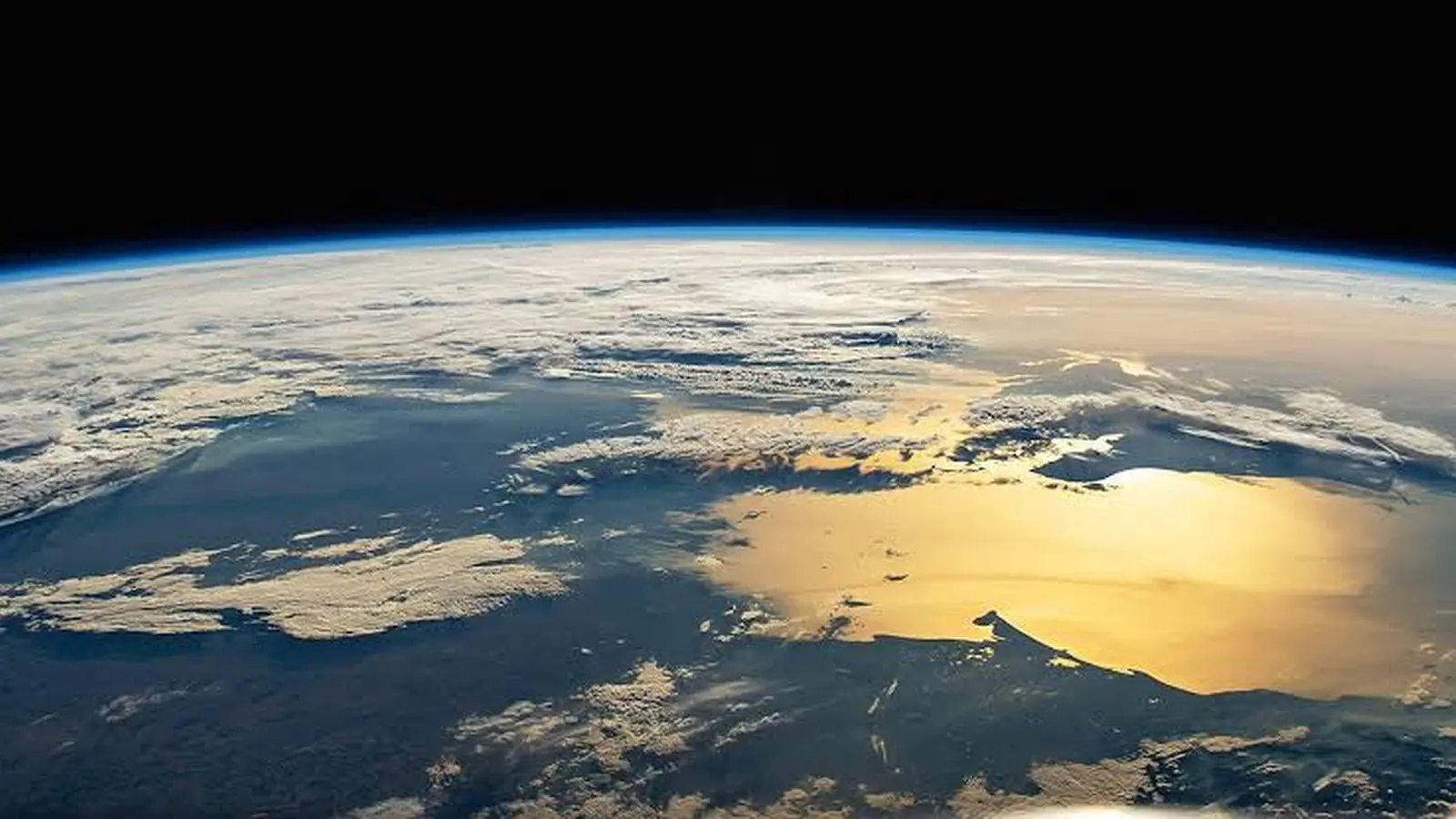
Read More Scince News General info a month ago Why Most Continental Landmasses Cluster on One Hemisphere Explore why most of Earth's continental land is concentrated in one hemisphere. This article explains plate tectonics, supercontinent cycles like Pangaea, seafloor spreading, and future continental rearrangements in clear scientific terms.
Read More Scince News Space a month ago New Geological Evidence: Mars Once Had a Northern Ocean New research comparing Martian satellite data with Earth field analogs suggests large rivers once flowed into a northern ocean on Mars. Inverted channels, long backwater zones, and delta deposits support this view and guide future exploration.
Read More Scince News Nature a month ago Global Soil Collapse Threatens Food Security, Resilience Intensive modern farming is degrading soil resilience worldwide, threatening crop productivity, carbon storage, and food security. The article explains causes, impacts, and sustainable practices to restore soil health.
Read More Scince News Health a month ago Brain Cell Types Linked to Depression Identified in New Study McGill researchers used single-cell genomics on post-mortem brain tissue to identify altered excitatory neurons and microglia in depression, revealing cellular targets for precision therapies.
Read More Scince News Health a month ago Psychedelics Could Unlock New Anti‑Inflammatory Therapies Psychedelic compounds such as psilocybin and DMT show promising anti-inflammatory effects in lab and early human studies. Research is exploring non‑hallucinogenic derivatives to treat inflammation-driven diseases safely.
Read More Scince Health Editor's choice a month ago Three Bathroom Items You Should Never Share! Sharing towels, toothbrushes and razors can transmit bacteria, viruses and fungi that survive on surfaces. Learn the science, who is at risk, and practical steps to reduce infection from personal bathroom items.
Read More Scince News Scientific a month ago Water Behaves as Solid and Liquid Under Confinement Researchers observed a premelting state where water confined in 1.6 nm nanopores behaves like a solid and a liquid at once, using heavy water and deuterium NMR to reveal layered molecular dynamics.
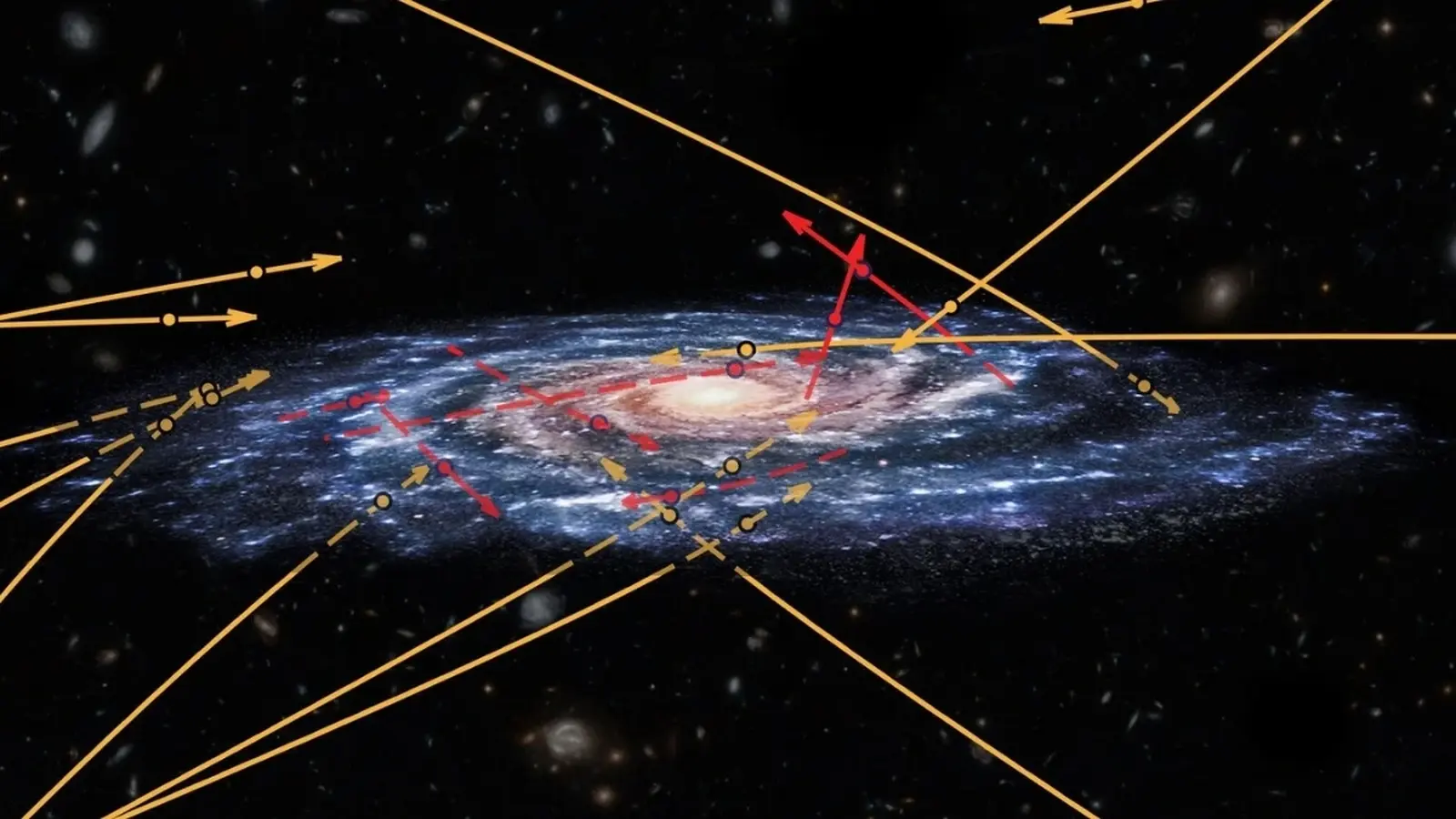
Read More Scince News Space a month ago Pacific Beryllium-10 Spike Suggests Nearby Supernova A Be-10 spike in Pacific seafloor crusts dated ~9–12 million years ago may indicate a nearby supernova. Gaia stellar trajectories suggest a ~68% chance of an explosion within ~326 ly of the Sun at that time.
Read More Scince News Space a month ago NASA Will Send Astronauts' Tissue 'Avatars' to Space NASA's AVATAR experiment will send personalized organ-on-a-chip bone marrow models with Artemis II to measure molecular effects of deep space hazards on astronaut-derived tissues, informing countermeasures for space and Earth medicine.
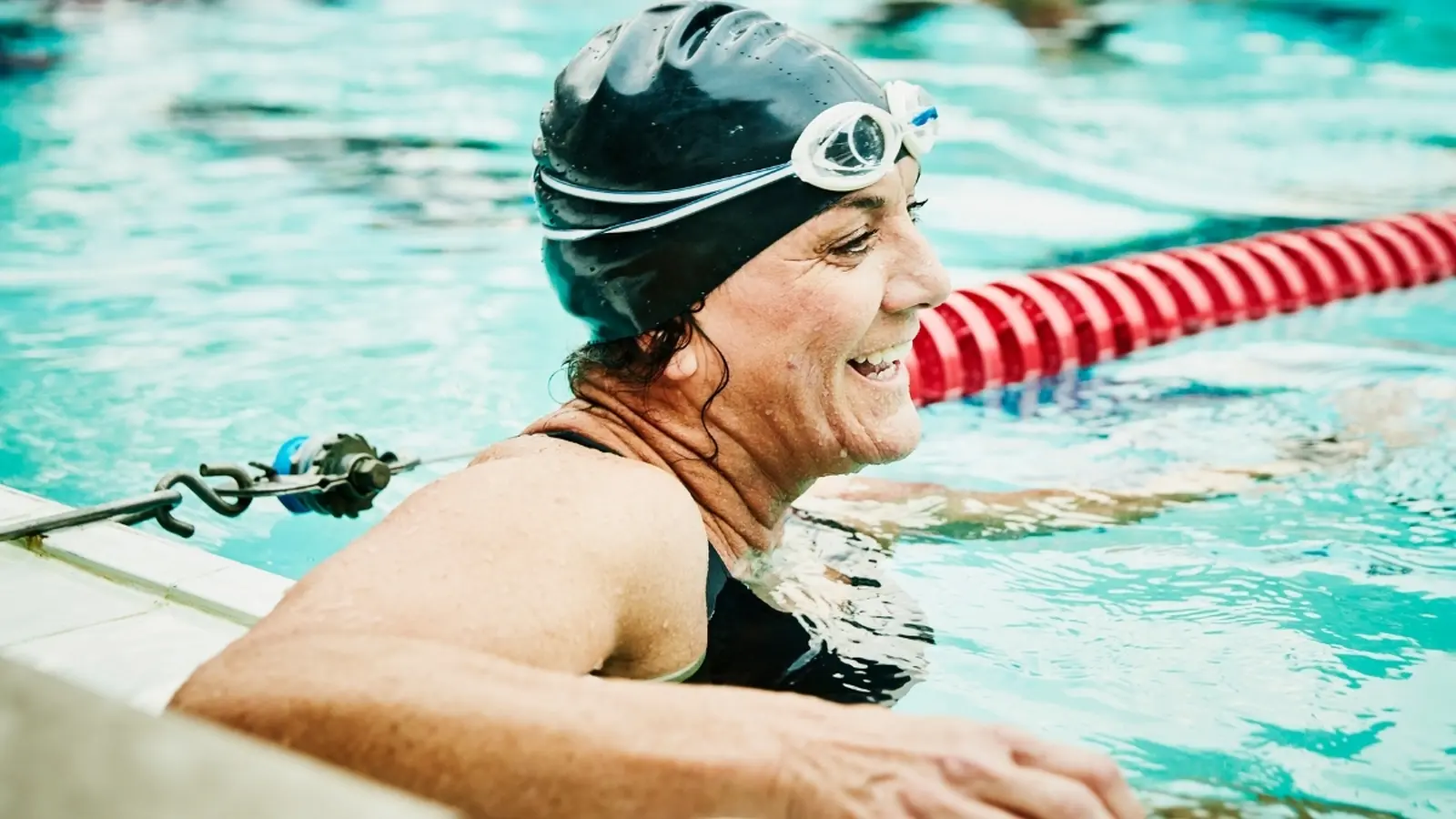
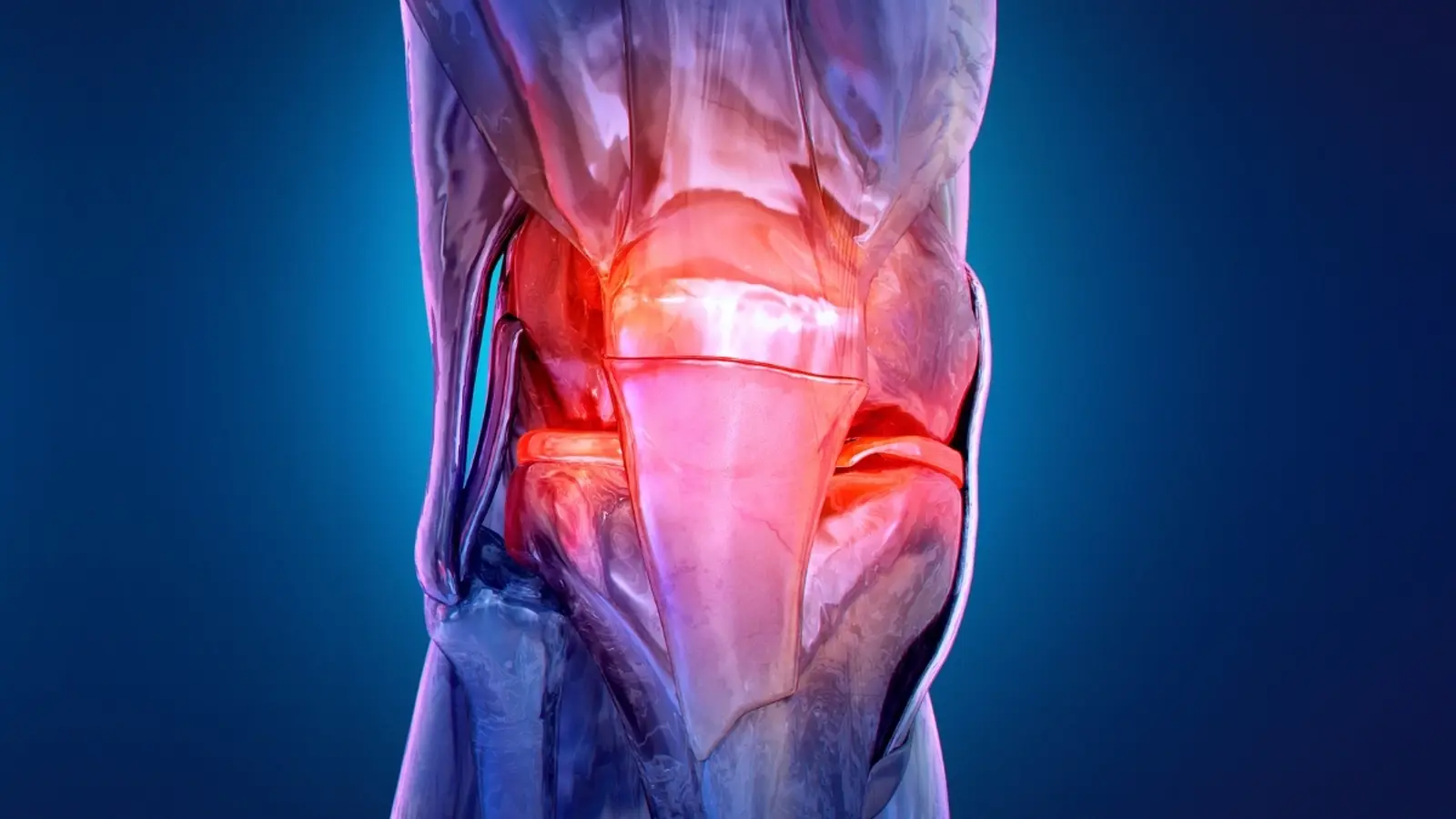
Read More Scince News Health a month ago Movement Over Medicine: Exercise Eases Joint Pain Worldwide Exercise—rather than pills or early surgery—is the most effective, evidence-based therapy for osteoarthritis. Learn how movement protects cartilage, reduces inflammation and improves joint function.
Read More Scince News Health a month ago This Simple Daily Habit Lowers Blood Pressure Naturally Research synthesis finds that daily intake of flavan-3-ol–rich foods (tea, dark chocolate, apples, grapes) can lower blood pressure and improve vascular function, offering a practical, evidence-based strategy to support cardiovascular health.
Read More Scince News Health a month ago Toenail Clippings Reveal Long-Term Radon Exposure Risk Researchers at the University of Calgary found that tiny amounts of radioactive lead (210Pb) in toenail clippings can quantify long-term radon exposure, potentially identifying lung cancer risk in non-smokers and overlooked populations.