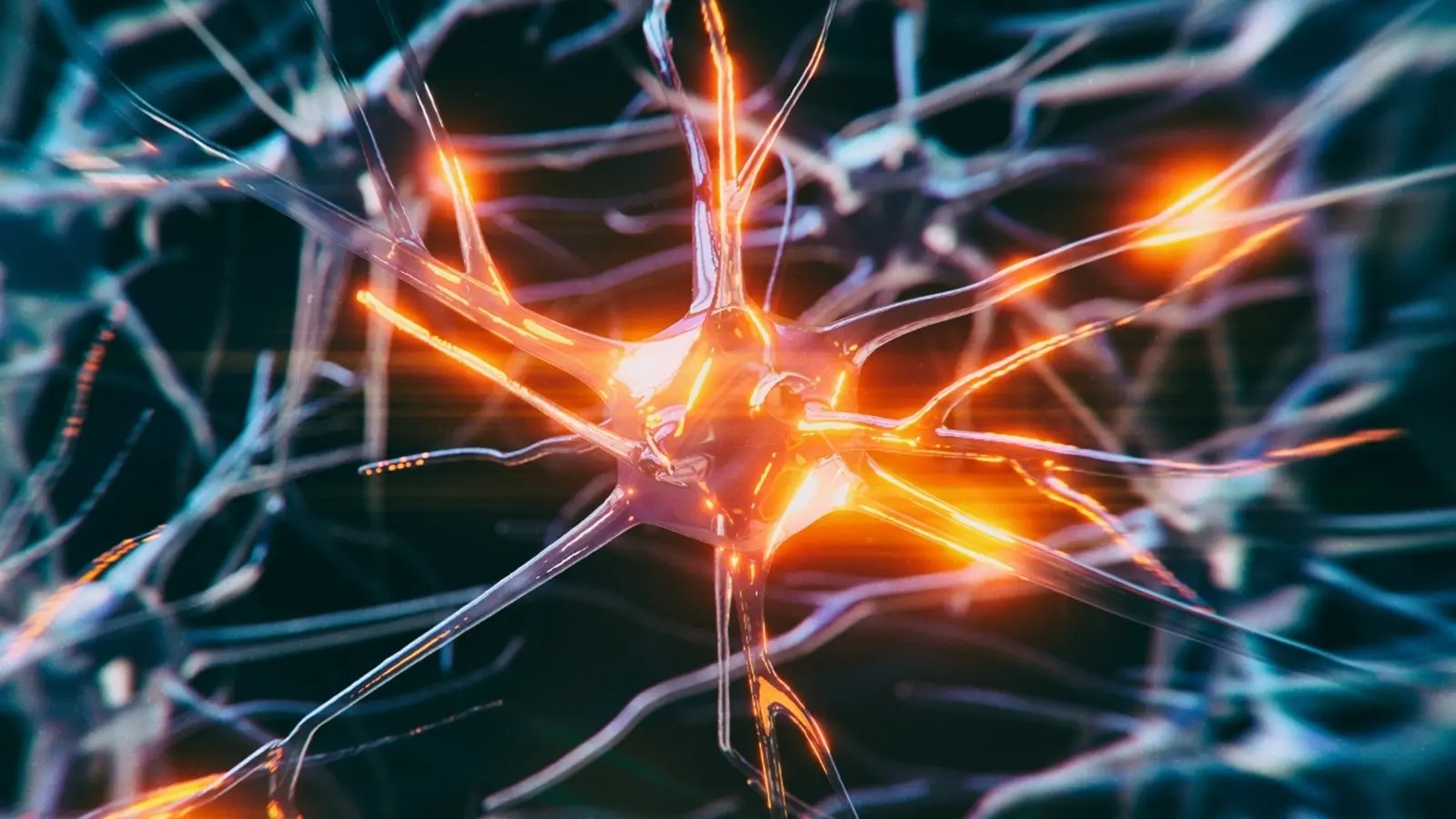
Read More Scince News Health a month ago How to Keep Your Brain Sharp: Lifelong Strategies Now Discover how cognitive reserve, lifelong learning and social engagement can preserve brain health. Evidence-based strategies—from language and music to exercise—help delay cognitive decline and boost mental resilience.
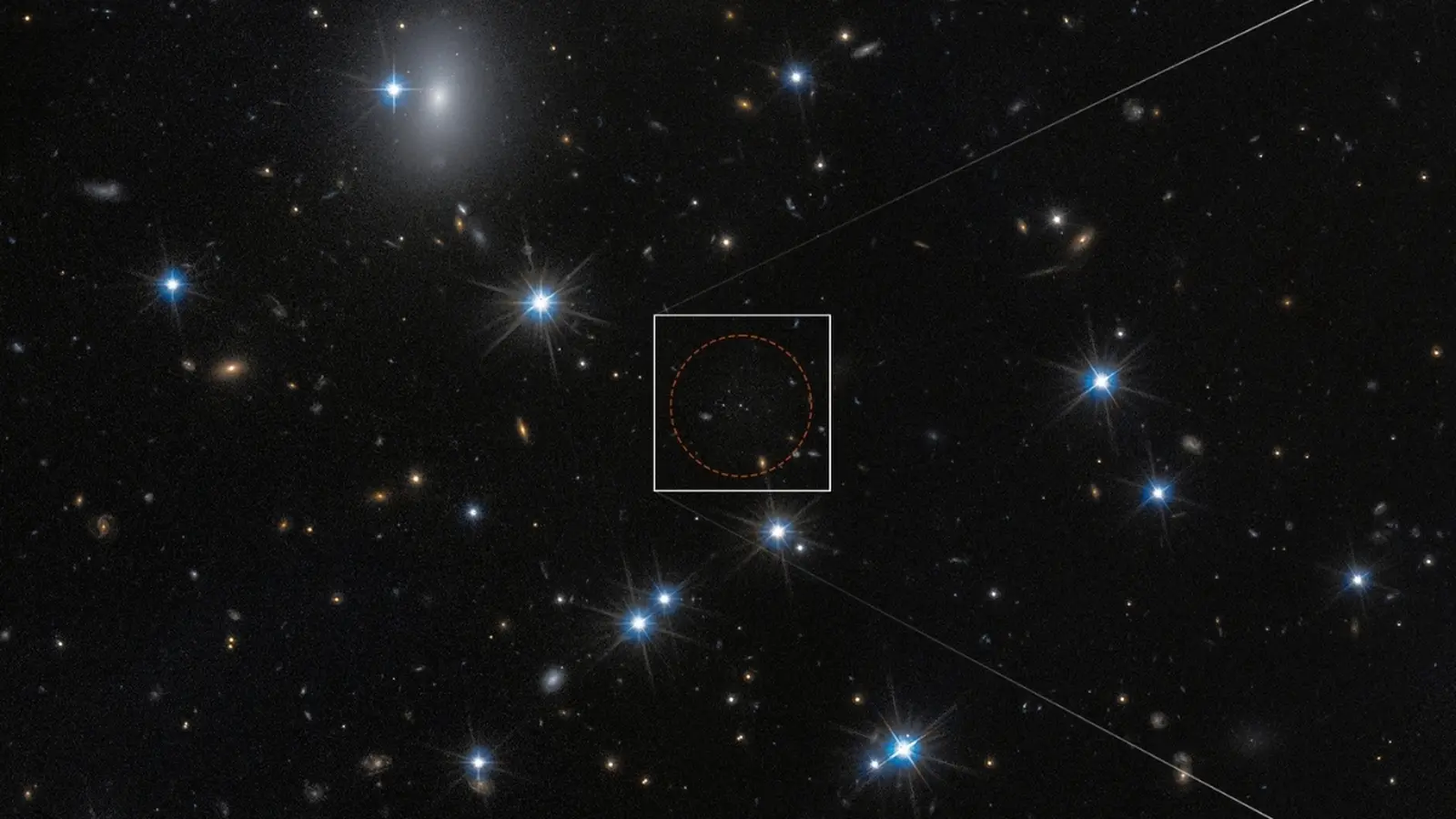
Read More Scince News Space a month ago Tiny Dark Blob Detected 7.3 Billion Light-Years Away Astronomers used gravitational lensing to detect a compact, invisible mass of roughly one million solar masses in a galaxy 7.3 billion light-years away — the smallest object ever found at cosmological distance by gravity.
Read More Scince News Health a month ago When Dementia Isn't Dementia: Treatable Liver Causes New analyses suggest up to 13% of US dementia diagnoses may be misattributed — actually caused by treatable liver dysfunction. Screening for hepatic encephalopathy and FIB-4 could reveal reversible cognitive decline.
Read More Scince News Space a month ago Planet Y: Hidden Earth-Size World Tilts the Kuiper Belt New analysis of Kuiper Belt orbits finds a 15° tilt between 80–200 AU, suggesting a hidden sub-Earth world dubbed "Planet Y." Researchers outline methods, simulations, and search implications for the outer Solar System.
Read More Scince News Health a month ago Sound You Can't Hear Could Treat Alzheimer's and Cancer Focused ultrasound uses inaudible sound to open the blood-brain barrier, deliver drugs, and stimulate immune responses against cancer. Learn how this noninvasive technology is reshaping treatments for Alzheimer's, brain tumors and rare CNS disorders.
Read More Scince News Health a month ago Millions May Have Lost Their Smell After COVID-19, Unaware A large U.S. study finds many people who had COVID-19 may have lingering, unrecognized loss of smell. Objective testing shows olfactory deficits in people who thought their sense of smell was normal.
Read More Scince News Scientific a month ago Could Your Digital Twin Monitor and Treat Your Mind? Digital cognitive twins—AI-driven virtual replicas of a person’s cognitive and physiological profile—use wearable and behavioural data to predict, monitor and personalise mental health care, promising earlier interventions and tailored treatments.
Read More Scince News Health a month ago Tiny Peptide Stops Parkinson’s Protein Clumps Early Engineered peptides from the University of Bath stabilize alpha-synuclein, preventing misfolding and toxic clumps in a worm model of Parkinson's. The cell-stable molecule spares normal protein function and points to a preventive strategy for neurodegeneration.
Read More Scince News Space a month ago Which Planets Formed First in Our Solar System: New Views Scientists still debate which planets formed first. This article explains competing formation models, dating techniques like crater counting and radiometric analysis, and how future missions could resolve the timeline.
Read More Scince News Nature a month ago 2024 Carbon Spike: Greenhouse Gases Reach Record Highs WMO data shows atmospheric CO2, methane, and nitrous oxide reached record levels in 2024. This article explains the drivers, risks, and mitigation options to slow accelerating global warming.
Read More Scince News Nature a month ago Ancient Enigma: Salterella and the Birth of Skeletons Salterella, a peculiar 540-million-year-old fossil, combines a conical shell with an inner mineral lining. New analyses suggest selective mineral packing and a likely link to cnidarians, reshaping ideas about early skeleton evolution.
Read More Scince News Space a month ago Hidden Impact: New 11-Million-Year Tektites in Australia Scientists have found 11-million-year-old tektites in South Australia, revealing a previously unknown giant asteroid impact. The distinctive glass fragments lack an identified crater, reshaping our view of Earth's impact history.
Read More Scince News Scientific a month ago The 900°C Furnace That Forged Earth's Stable Continents New research shows Earth’s continents were forged at temperatures above 900°C. Ultra-high heat drove uranium and thorium upward, cooling and strengthening the lower crust and concentrating critical minerals.
Read More Scince News Health a month ago Tiny Neuronal Nanotubes May Drive Early Alzheimer's Spread Johns Hopkins researchers discovered tiny dendritic nanotubes that ferry toxic molecules like amyloid-beta between neurons, offering a potential new mechanism for early Alzheimer's spread and a novel therapeutic target.
Read More Scince News Health a month ago Vaccine Halts Multiple Tumors in Mice for 250 Days A nanoparticle cancer vaccine prevented multiple tumor types in mice for 250 days by combining tumor antigens with a potent 'super' adjuvant. Results show strong, durable protection but remain preclinical.
Read More Scince News Space a month ago Why the Moon’s South Pole-Aitken Basin Hides Deep Secrets New analysis shows the Moon’s South Pole–Aitken basin was struck from the north, not the south. That revised impact direction means Artemis astronauts landing on the southern rim could access deep lunar material and KREEP-rich deposits.
Read More Scince News Health a month ago 30 Minutes a Day: How Light Activity Reboots Your Metabolism A randomized trial shows that replacing 30 minutes of daily sitting with light activity—standing, short walks, stair use—improves the body’s ability to burn fats and carbs, benefiting metabolic health in middle‑aged adults.
Read More Scince News Health a month ago Hidden Brain Pulses: New MRI Could Predict Dementia Risk A novel noninvasive MRI method maps tiny pulsations in the brain's microvessels, revealing age- and hypertension-linked changes in white matter. This technique could become an early biomarker for dementia risk.
Read More Scince News Health a month ago Scientists Create Universal Donor Kidneys to Cut Wait Times Researchers have developed enzyme-treated donor kidneys that behave like universal type O organs for days, potentially easing blood‑type barriers and shortening transplant wait lists.
Read More Scince News Scientific a month ago Tiny Sound-Guided Microrobots: Swarm, Adapt, and Heal Penn State researchers modeled microrobots that use sound to coordinate swarms that adapt, reassemble, and self-heal. Acoustic communication could enable microrobotics for medicine and cleanup.