

4 Minutes
New research suggests that not all depression is equal when it comes to physical health. In a long-term Dutch study, two distinct depression profiles showed different links to cardiometabolic disease: one form was tied to a higher risk of Type‑2 diabetes, while another correlated with greater cardiovascular risk.
How the study tracked mood and physical outcomes
Researchers analyzed data from 5,794 adults enrolled in the Netherlands Epidemiology of Obesity (NEO) Study. None of the participants had diabetes or cardiovascular disease at baseline. Over seven years, the team monitored medical records and incident cardiometabolic events while using a comprehensive questionnaire to classify depressive symptoms.
From the questionnaire responses the investigators identified two primary symptom profiles. The first resembled melancholic depression: early morning awakening, reduced appetite, and classic low mood. The second resembled atypical or energy‑related depression: fatigue, increased sleep, and elevated appetite. These symptom clusters were then compared with the incidence of cardiometabolic diseases during follow-up.
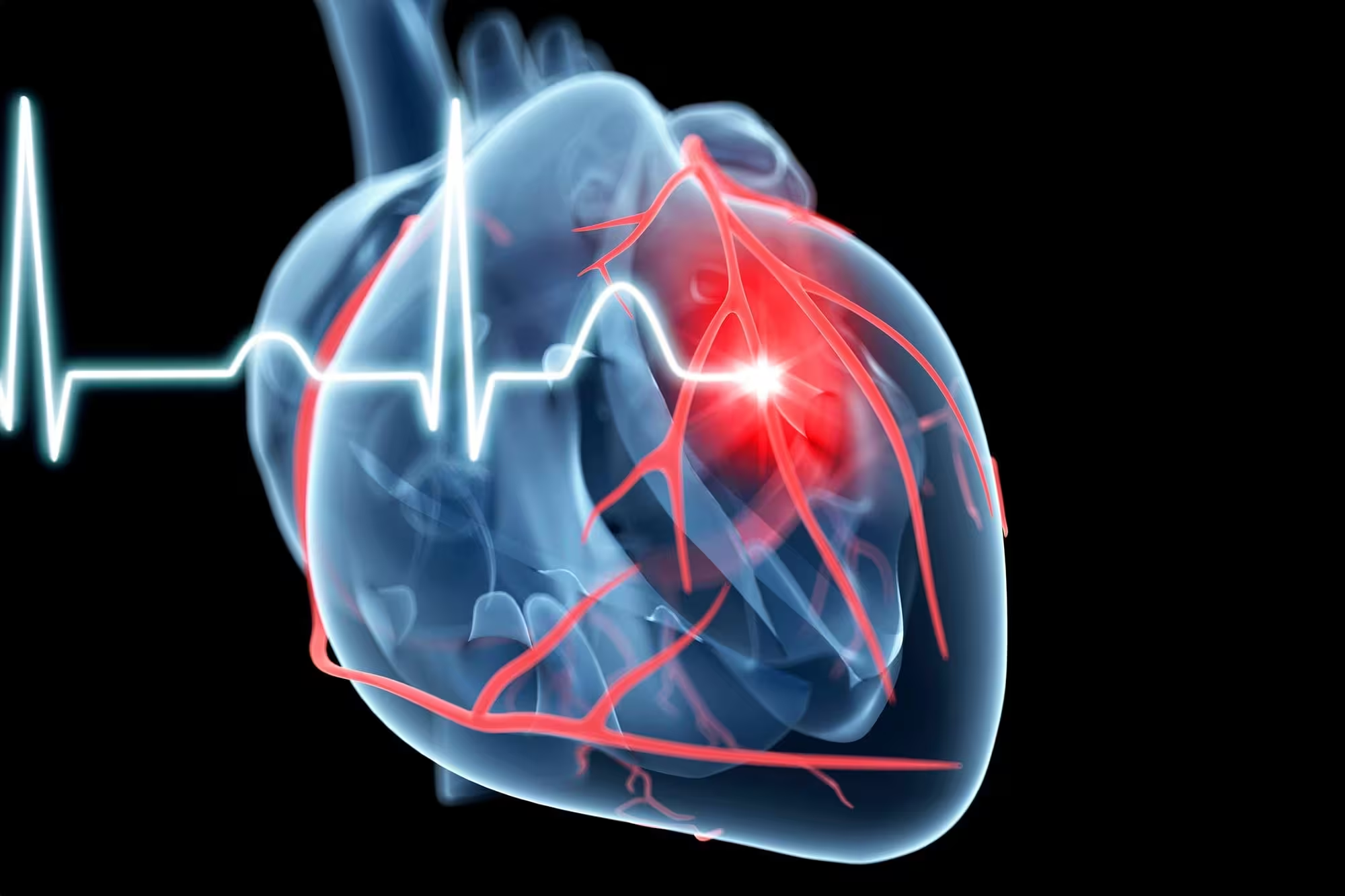
Different forms of depression may lead to different diseases, according to new research. One type raises diabetes risk, while another is linked to heart problems — a discovery that could reshape how doctors approach both mental and physical health.
Distinct risks: diabetes vs. heart disease
About 8% of participants developed a cardiometabolic condition over the study period. But the type of condition depended strongly on the depression profile. People with atypical/energy‑related symptoms had roughly a 2.7‑fold higher risk of developing Type‑2 diabetes compared with participants who reported no depressive symptoms. Notably, that group did not show a statistically significant rise in cardiovascular disease.
By contrast, participants whose symptoms fit the melancholic profile faced about a 1.5‑times higher risk of cardiovascular outcomes — such as heart attack or stroke — but did not show a meaningful increase in Type‑2 diabetes risk. In short, atypical symptoms were linked primarily to metabolic disease, melancholic symptoms to cardiovascular disease.
What biology might explain the split?

Metabolic and inflammatory markers offered clues. According to lead investigator Dr. Yuri Milaneschi (Amsterdam UNC), participants with atypical or energy‑related symptoms displayed disruptions in metabolic and inflammatory processes known to influence cardiometabolic health. That biochemical signature — things like altered inflammatory markers, lipid profiles, and glucose regulation — was not observed in the melancholic group, implying distinct biological pathways connect different depressive phenotypes to different physical illnesses.
These findings add granularity to earlier work showing a general link between depression and metabolic disease. Instead of treating depression as a single risk factor, the study points toward subtype‑specific mechanisms: altered appetite and sleep may drive insulin resistance and weight gain, while melancholic features might relate to autonomic or vascular processes that influence heart disease risk.
Clinical implications: toward precision psychiatry and prevention
Experts say the results could shift how clinicians screen and manage physical health in people with depression. Dr. Chiara Fabbri from the University of Bologna emphasized that preventing and detecting cardiometabolic disease in people with depression is as important as treating their psychiatric symptoms. With rising diabetes prevalence expected in many regions, early identification and tailored monitoring could reduce long‑term complications.
Practically, this could mean more aggressive metabolic screening for patients presenting atypical depressive symptoms — blood glucose monitoring, lipid panels, and lifestyle interventions — while patients with melancholic features might benefit from focused cardiovascular risk assessment and management.
Broader context and next steps
The research advances the idea of precision psychiatry: tailoring care not only to a person’s mental health profile but to the associated physical risks. Future work will need to confirm these associations in diverse populations, explore causality, and test whether targeted prevention strategies reduce disease incidence. Biomarker research, longitudinal imaging, and intervention trials will help clarify mechanisms and inform practice.
Expert Insight
“These results remind clinicians that psychiatric symptoms often carry physical fingerprints,” says Dr. Elena Vargas, a clinical psychiatrist specializing in mood disorders. “When a patient reports atypical features like hypersomnia and increased appetite, we should be alert to metabolic risk and consider early lifestyle and metabolic screening. Conversely, melancholic presentations may prompt a tighter focus on cardiovascular risk factors. Integrating mental and physical health assessment is a practical step toward better outcomes.”
As research continues, the message for patients and clinicians is simple: depression is heterogeneous, and so are its downstream health implications. Recognizing symptom patterns can guide targeted screening and preventive care that address both mind and body.














Leave a Comment
Comments (2)
Is this even causal or just correlation? curious if meds, lifestyle or sampling skewed results. also need more diverse cohorts not just Dutch ppl. promising tho
wow didnt expect such a clear split… atypical = diabetes risk, melancholic = heart probs. makes me rethink how screenings are done, hmm