
4 Minutes
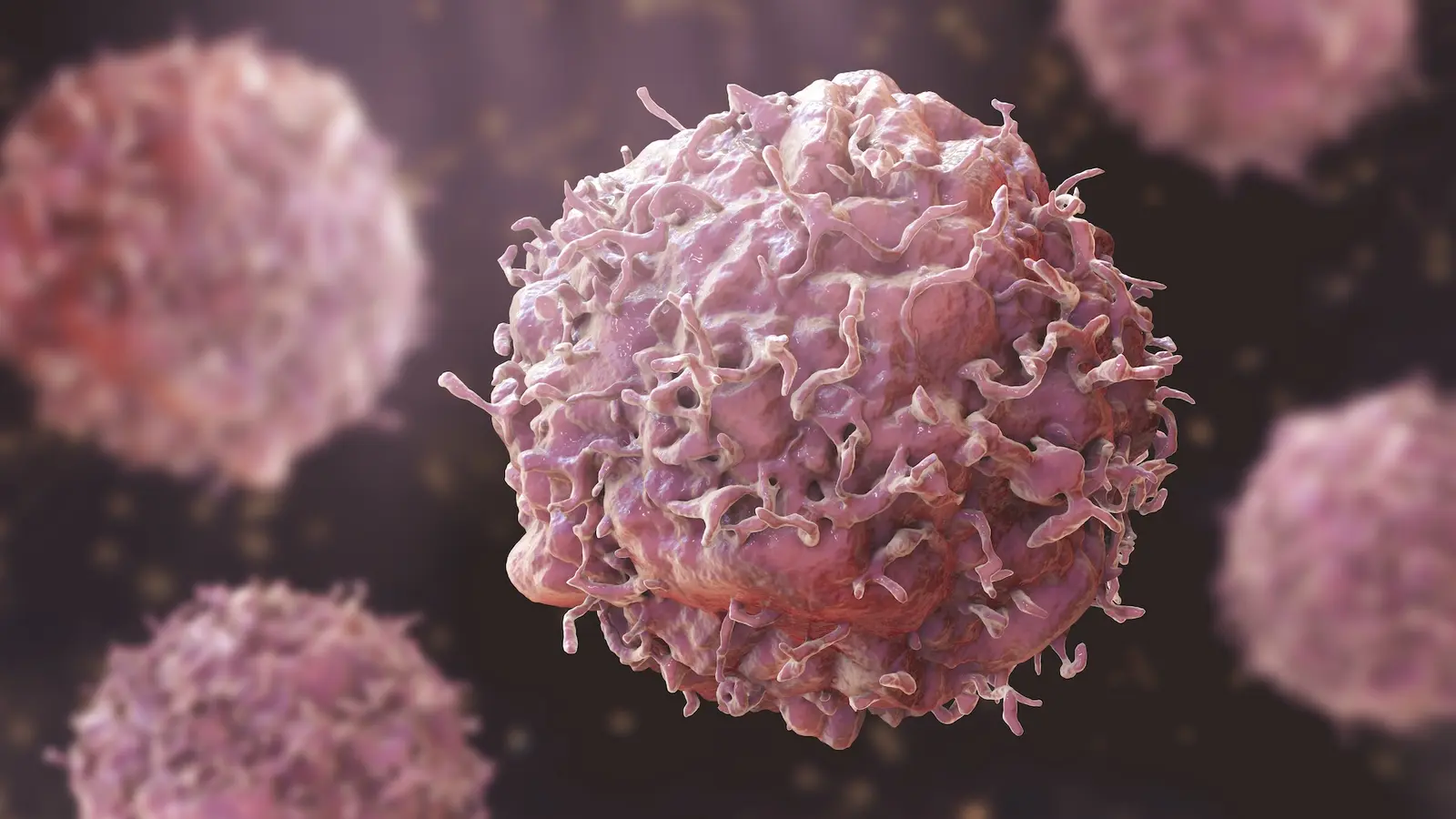
Cells once thought destined to die may hand tumors a lifeline. Strange, right? A new study from the University of California, San Diego shows that some cancer cells avoid long-term destruction by quietly turning on a faint death program that paradoxically helps them rebound.
A new study reveals that cancer cells can survive therapy by activating a faint death signal that actually supports their regrowth. Blocking this early survival mechanism may help prevent relapse.
If cancer were a war, targeted drugs would be precision strikes. They knock out key pathways and, often, tumors shrink. But the victory is sometimes short-lived. Within days or weeks, a stubborn fraction of cells—called persisters—lingers on. They don’t carry the obvious genetic changes that explain later resistance, yet they find ways to weather therapy and seed relapse.
How a death enzyme becomes a survival tool
The UC San Diego team identified a surprising molecular twist: low-level activity of a death-associated enzyme, DNA fragmentation factor B (DFFB), helps persister cells escape long-term suppression. In healthy contexts, DFFB participates in breaking down DNA as part of apoptosis—the tidy self-destruction cells use when they’re no longer needed. But in several models of melanoma, lung and breast cancer, researchers observed a muted, sublethal activation of DFFB in cells that survive targeted treatment.
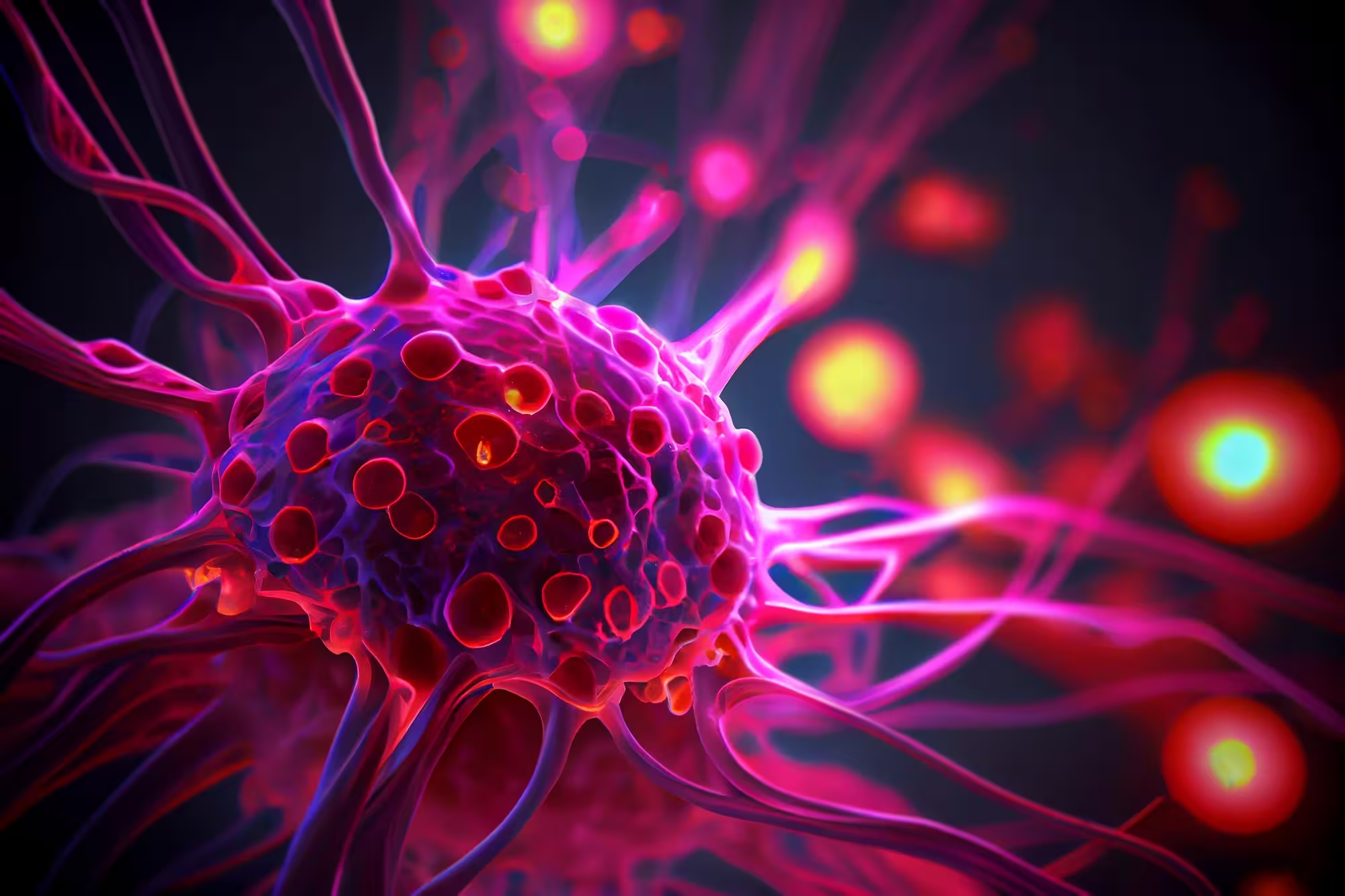
That faint signal was not enough to finish the cell. Instead, it altered how the cell interpreted growth and stress cues, effectively loosening the brakes that would otherwise keep it dormant. When the investigators genetically removed DFFB from these persisters, the cells stayed quiescent and failed to regrow during drug exposure. In short: DFFB was dispensable for normal tissue but essential for the rebound of these treatment-tolerant cancer cells.
“This flips our assumptions about cell death,” said Matthew J. Hangauer, Ph.D., assistant professor of dermatology at UC San Diego School of Medicine and a member of Moores Cancer Center. “A death signal that’s too weak to kill can still rewire a cell toward recovery. Block that early signal and you might keep tumors suppressed while patients continue on targeted therapy.”

The discovery matters because it points to an early, non-genetic escape route. Most models of acquired resistance focus on later-stage genetic mutations—changes that take time to accumulate and that often narrow subsequent treatment options. By contrast, the DFFB-driven mechanism emerges almost immediately after therapy begins. That timing makes it an attractive target for combination treatments designed to prevent relapse before it becomes genetically entrenched.
From bench experiments to treatment ideas
In lab-grown tumors and animal models, the team tested what happens when DFFB activity is blocked alongside standard targeted agents. Persister populations shrank or remained harmlessly dormant. The effect was consistent across multiple cancer types, suggesting a broad role for low-level death signaling in early resistance.
August F. Williams, Ph.D., a postdoctoral fellow in the Hangauer lab and first author on the paper, framed the result this way: non-genetic mechanisms can dominate the earliest phase of therapy escape, and those mechanisms are targetable. That is a practical shift. Rather than waiting for mutation-driven relapse and then chasing it with successive drug lines, clinicians could add a DFFB-directed strategy to the initial regimen to reduce the chance of recurrence.
Translating this into clinics will require running safety studies and developing inhibitors that selectively temper DFFB’s sublethal activity in cancer cells without harming normal tissues. Encouragingly, the enzyme is not essential for most healthy cells, which may widen the therapeutic window. Still, biology rarely yields simple fixes. Any inhibitor would need careful dosing and validation across tumor subtypes and genetic backgrounds.
Beyond drug development, the finding reframes how researchers think about persisters. These cells are not passive survivors waiting for a lucky mutation. They actively reprogram signaling pathways, sometimes by exploiting cellular machinery that normally mediates death. Recognizing that nuance opens new angles for diagnostic markers and early-intervention strategies aimed at sustaining remission.
Expert Insight
“Mechanisms like this are exactly why cancer therapy needs a two-pronged mind-set,” said Dr. Lena Ortiz, a fictional cancer biologist with experience in translational therapeutics. “Hit the oncogenic driver hard, yes. But also anticipate the cell’s escape plays—especially non-genetic rewiring—and cut those off early. That combination is what will extend durable responses for patients.”
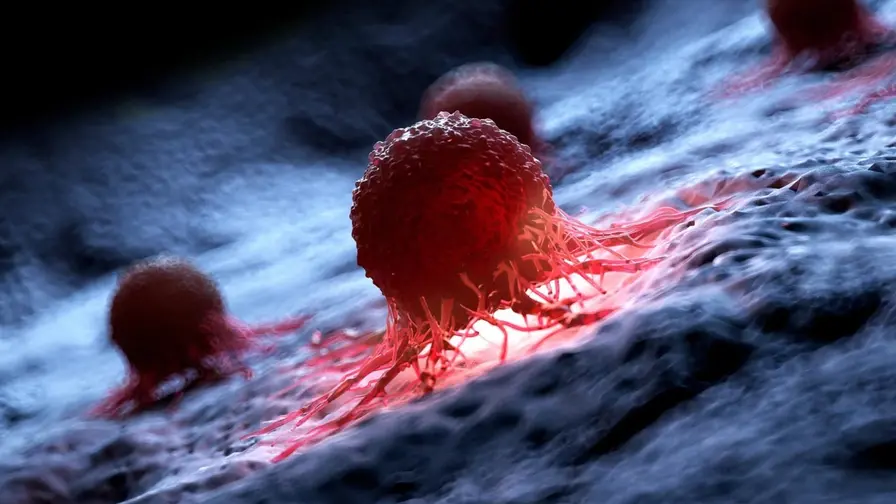
Published in Nature Cell Biology, the study does not promise immediate cures. Yet it does offer a concrete molecular target and a fresh way to think about relapse: not only as an eventual genetic arms race, but as a battle fought in the quiet, early hours after treatment begins. If researchers can blunt the faint death signal that fuels return, they may keep more patients in remission longer—and turn short-lived responses into lasting wins.












Leave a Comment
Comments (2)
Is this even true in humans? lab models are cool but patients arent mice. any clinical samples or is it just cell lines so far?
Wait, cells flip on a faint death signal to bounce back? wild. If true, blocking it could help, but how safe long term, dosing issues, off-targets tho