
2 Minutes
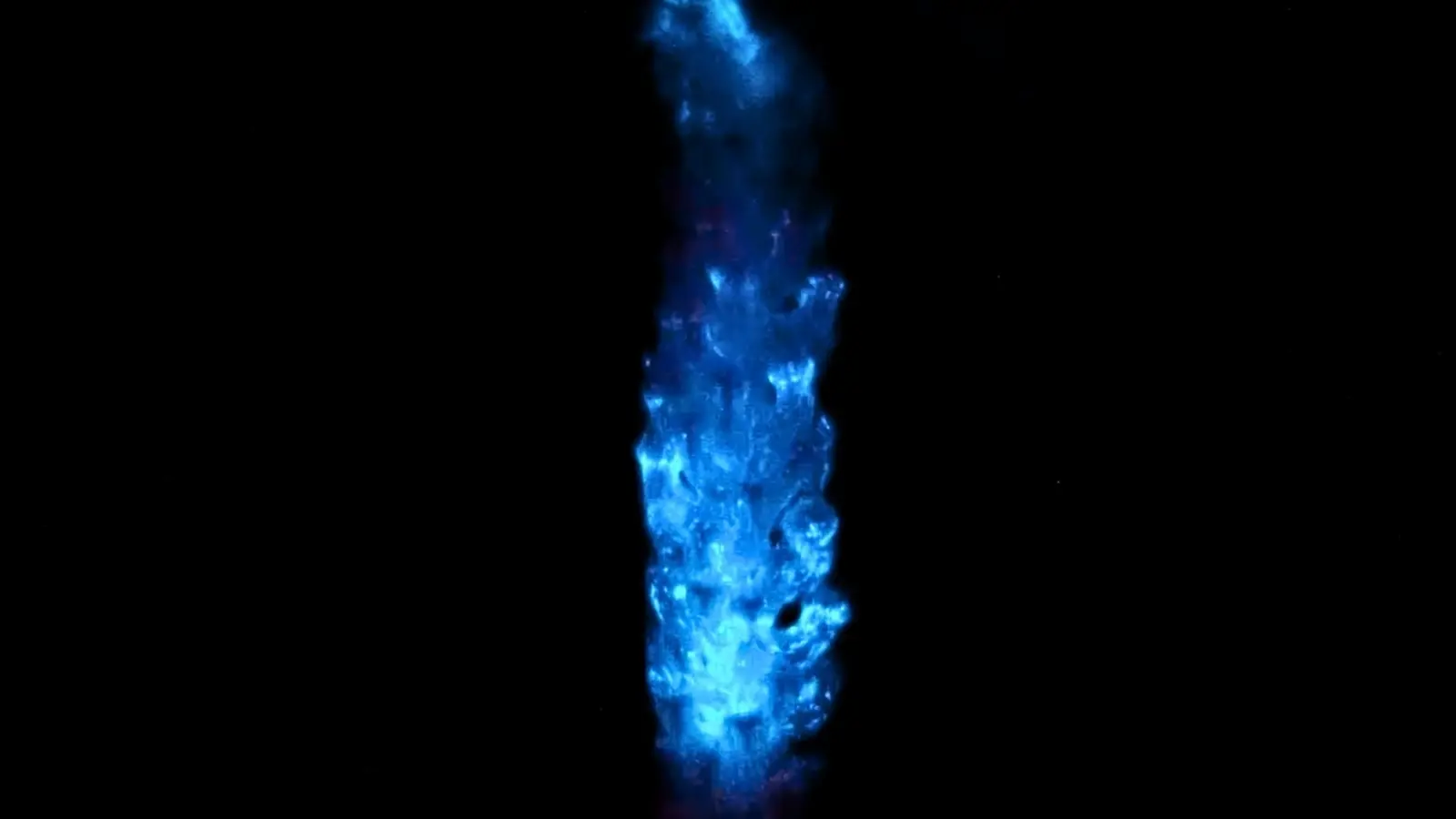
New research suggests bioluminescence was an ancestral trait in octocorals, but today only a handful of species still glow. Scientists are now probing when and why this light faded from so many lineages — a question that could rewrite parts of our picture of ancient marine ecosystems.
A glow from the past: what the study found
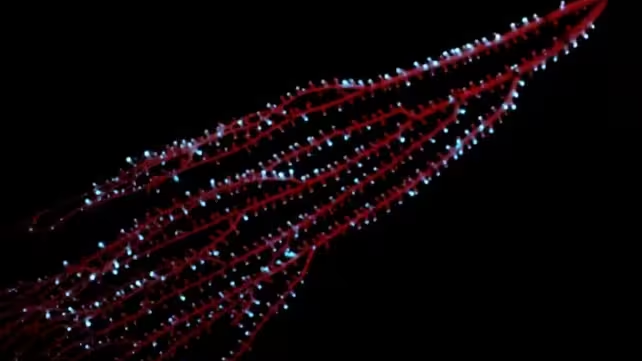
Researchers reconstructed the evolutionary history of thousands of octocoral species and concluded that the common ancestor likely produced bioluminescent light. That means the ability to glow was present early in the group’s history, then lost repeatedly in many descendant lineages. The study, published in Proceedings of the Royal Society B Biological Sciences, frames the disappearance of bioluminescence as an active evolutionary puzzle, not merely a curiosity.
Why would octocorals stop glowing?
Several plausible mechanisms could explain the loss. Bioluminescence requires specific biochemical pathways and genetic machinery; if those genes degrade or are repurposed, the trait can disappear. Ecological change is another likely driver. As octocorals colonized new depths, habitats, or interactions with predators and symbionts, the selective value of light production could have declined. Producing light also has energetic costs — in low-benefit environments natural selection favors simpler, cheaper strategies.
Why it matters for understanding ancient seas
Uncovering when bioluminescence vanished sheds light on the ecology of the Cambrian ocean and other deep-time environments. If glowing was once widespread, nocturnal signaling, predator–prey dynamics, and mate attraction in primordial seas may have been very different from what we infer from modern ecosystems. Tracing the loss of light across octocoral branches offers a window into those long-vanished ecological networks.
The research team notes this is only the next step. Future studies will look for which genes were lost or modified and how those genomic changes map to shifts in habitat and behavior. An earlier version of this article was published in April 2024.






Leave a Comment
Comments
No comments yet. Be the first.