
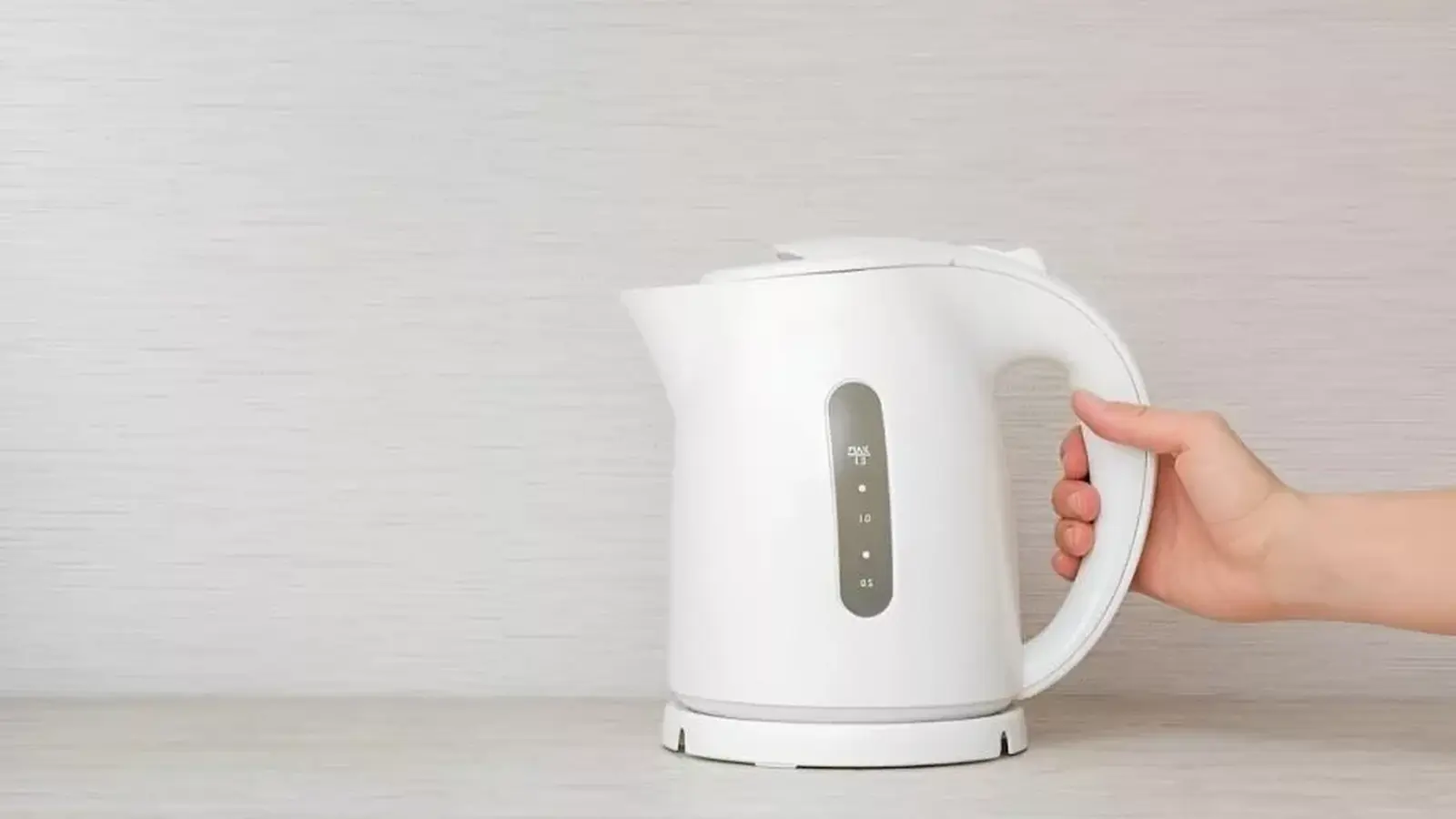
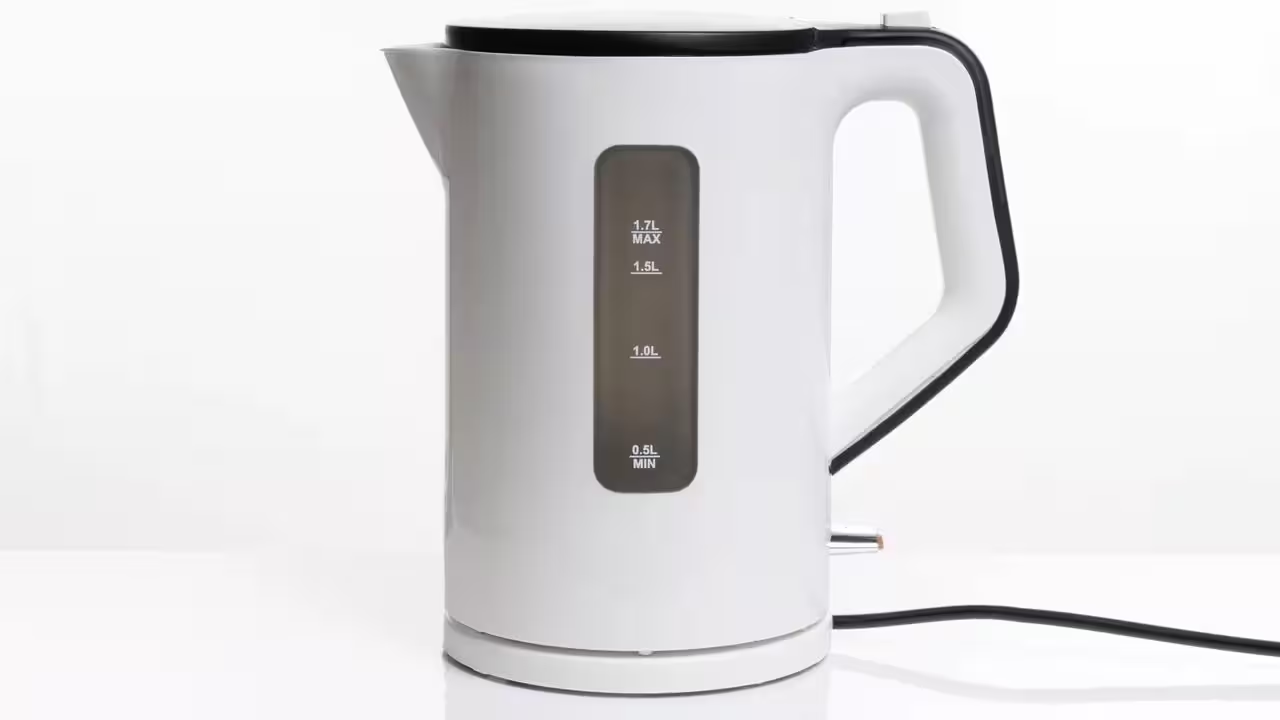
New research from the University of Queensland warns that boiling water in plastic electric kettles can release millions — even billions — of tiny plastic particles into the water. These particles, spanning microplastic and nanoplastic sizes, raise fresh questions about everyday exposure to plastics and what we should choose for our kitchens.
What the study found: startling particle counts
Researchers measured particle release from brand-new plastic kettles and found that a single first boil liberated roughly 12 million nanoparticles per milliliter of water. Put another way: a standard 250 mL cup of tea could contain on the order of 3 billion plastic particles after that first boil. Some of those are microplastic (visible under a microscope) and others are nanoscale — so small they can behave differently inside living systems.
Usage reduces emission but does not eliminate it. Even after 150 boils, the team detected roughly 205 million particles per cup. Simple rinsing or washing before first use made only a small difference, meaning routine cleaning is not an effective fix.
Why hard water seems to help
An unexpected finding: hard tap water — rich in dissolved minerals — lowered the number of particles released. The likely mechanism is the formation of a thin mineral film on the plastic inner walls, which acts like a protective barrier and limits direct contact between hot water and polymer surfaces, reducing thermal degradation and particle shedding.
Why nanoplastics matter
Microplastics are particles roughly 1 micrometer to 5 millimeters across; nanoplastics are far smaller, typically below 1 micrometer. Their tiny size gives nanoplastics a higher potential to cross biological barriers or interact with cells. While the long-term health effects of ingesting nanoplastics remain uncertain, their prevalence in a common everyday beverage is a cause for caution and further study.
Practical advice and industry implications
- Choose kettles made of glass or stainless steel with no internal plastic parts to reduce exposure.
- Discard the first few boils of water if you purchase a new plastic kettle, though this does not fully remove the risk.
- Manufacturers should consider clearer labeling and design changes; researchers have recommended warning labels to inform consumers.
This study was published in Nature and highlights how routine household habits can introduce unexpected contamination routes. The authors call for more research into human exposure and potential health effects, and for regulatory or manufacturing responses to limit consumer exposure to plastic-derived particles.
Broader context: microplastics in the environment
Plastics have been detected across ecosystems — from oceans to soils to foodstuffs. The kettle findings add a domestic exposure pathway to the broader environmental picture. Scientists emphasize both the need to track where particles come from and to develop safer materials and practices.
For now, simple choices — preferring non-plastic kettles and remaining aware of product materials — offer immediate ways to reduce daily intake of tiny plastic particles.


Leave a Comment
Comments
No comments yet. Be the first.