
4 Minutes
A recent international study has identified a rare but powerful genetic link between changes in a single gene, GRIN2A, and early-onset psychiatric disorders such as childhood schizophrenia. This finding challenges the common view that most mental illnesses arise only from many interacting genetic factors and opens new possibilities for diagnosis and targeted treatment.
A surprising single-gene link in psychiatric disease
Genetic causes of mental illness are usually complex and polygenic, meaning hundreds or thousands of variants contribute small effects. But researchers working from the world’s largest GRIN2A registry report something different: in some people, a single variant of GRIN2A appears sufficient to drive psychiatric symptoms, often emerging in childhood or adolescence rather than in adulthood.
What the team found
Using data from a pooled international cohort, the investigators examined 121 individuals carrying likely disease-causing GRIN2A variants. Of those, 25 had a diagnosed mental disorder — covering mood, anxiety, psychotic, personality and eating disorders. Strikingly, all but two of these 25 carried so-called "null" GRIN2A variants, which render the gene non-functional.

Among 121 individuals with likely disease-causing variants in the GRIN2A gene, 25 had a diagnosed mental disorder.
Co-lead author Johannes Lemke of Leipzig University highlighted the strength of the signal: "Our current findings indicate that GRIN2A is the first known gene that, on its own, can cause a mental illness." The study was published in the journal Molecular Psychiatry.
How GRIN2A affects the brain
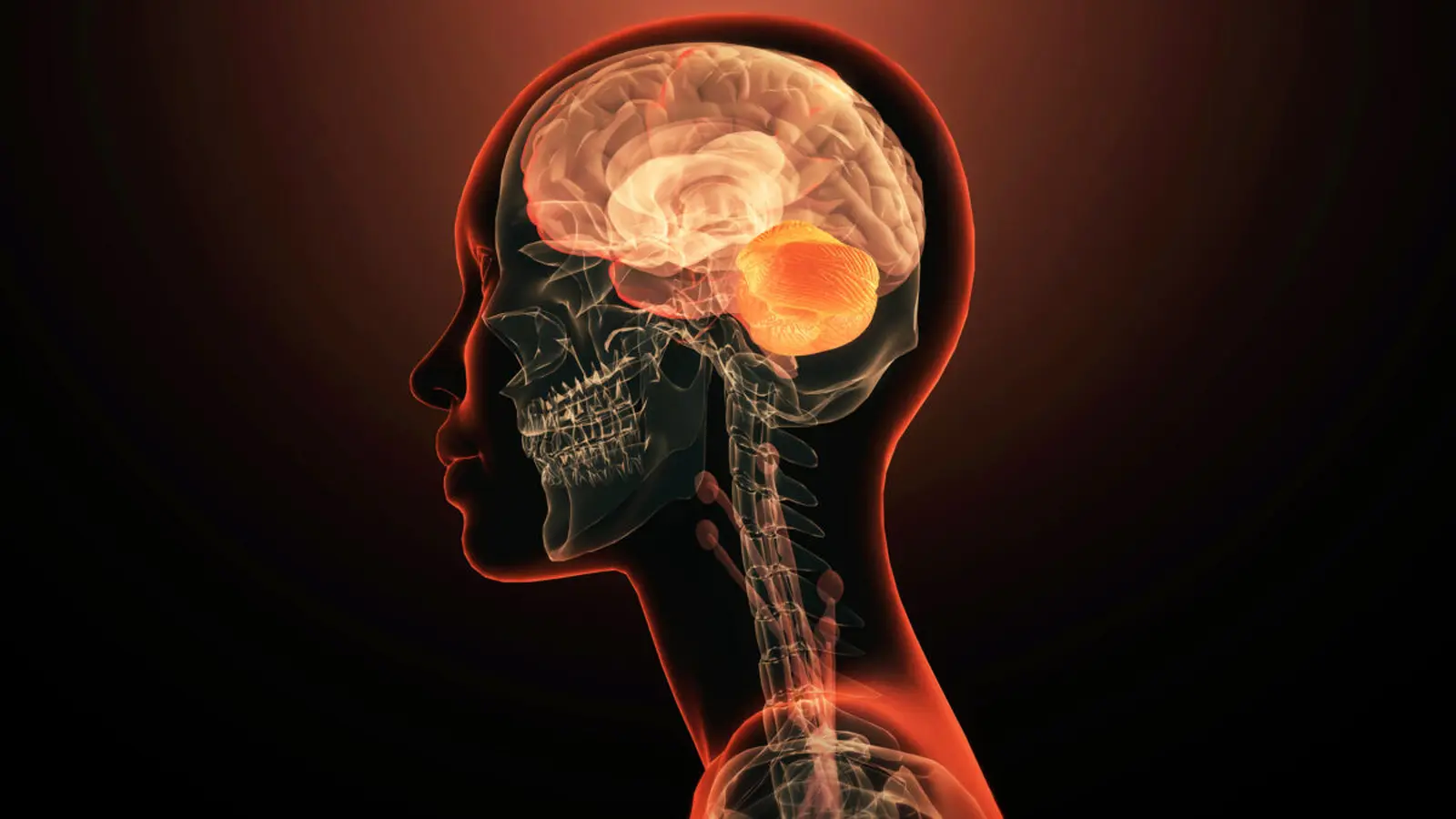
GRIN2A encodes a subunit of the NMDA-type glutamate receptor, a protein complex that mediates excitatory signaling in the brain. Proper glutamate receptor function is essential for normal cognition, neural development and the regulation of electrical activity. Disruption of these receptors has been linked to epilepsy and schizophrenia in previous research.

Most prior GRIN2A studies focused on neurodevelopmental conditions such as epilepsy and intellectual disability. This new analysis shows that some patients with GRIN2A alterations present predominantly with psychiatric symptoms — hallucinations, paranoia, mood dysregulation or behavioral disorders — and may lack obvious neurodevelopmental deficits. That implies GRIN2A can sometimes drive isolated mental health disorders early in life.
Treatment clues and clinical implications
Beyond diagnosis, the study offers early therapeutic hints. Four participants previously received L-serine, an amino acid that can enhance NMDA receptor activity. All four reported mental health improvements: one stopped experiencing hallucinations, another had behavioral gains, and two showed remission of paranoid symptoms and reduced seizure frequency.
These anecdotal treatment responses do not prove efficacy but suggest a path toward precision medicine: identifying a causative variant could guide targeted therapies aimed at restoring receptor function or compensating downstream effects.
Why this changes how we think about psychiatric genetics
The dominant model in psychiatric genetics emphasizes numerous small-risk variants interacting with each other and the environment. The GRIN2A findings do not overturn that model, but they add nuance: some psychiatric conditions may arise from rare, high-impact mutations that behave more like single-gene disorders. For clinicians, that argues for integrating genetic testing into diagnostic workups when symptoms appear unusually early or when family history or comorbid epilepsy suggests an underlying neurodevelopmental cause.
Next steps for research
Key open questions remain. How exactly do different GRIN2A variants alter receptor function and neural circuits? Which patients are most likely to benefit from NMDA receptor–targeted interventions such as L-serine or other modulators? Larger cohorts, functional lab studies, and controlled treatment trials will be needed to move from promising case reports to evidence-based care recommendations.
Clinical takeaway
For clinicians and families, the study is a reminder that genetics can sometimes provide a clear explanation for early-onset psychiatric symptoms. Genetic testing for GRIN2A variants may clarify diagnoses and, in selected cases, point toward mechanism-based treatments. As the evidence grows, precision genomic approaches could reshape care for a subset of patients with severe, early mental illness.












Leave a Comment
Comments (2)
Is this even true? 25 cases out of 121, and 4 anecdotal L-serine replies... if that's real then big deal but sample is tiny, need controlled trials ASAP
Wait, single gene causing childhood psychosis? wow, that blew my mind. If true, could change diagnosis + treatment. but still gotta see bigger trials, anecdotes arent proof, yikes