
5 Minutes
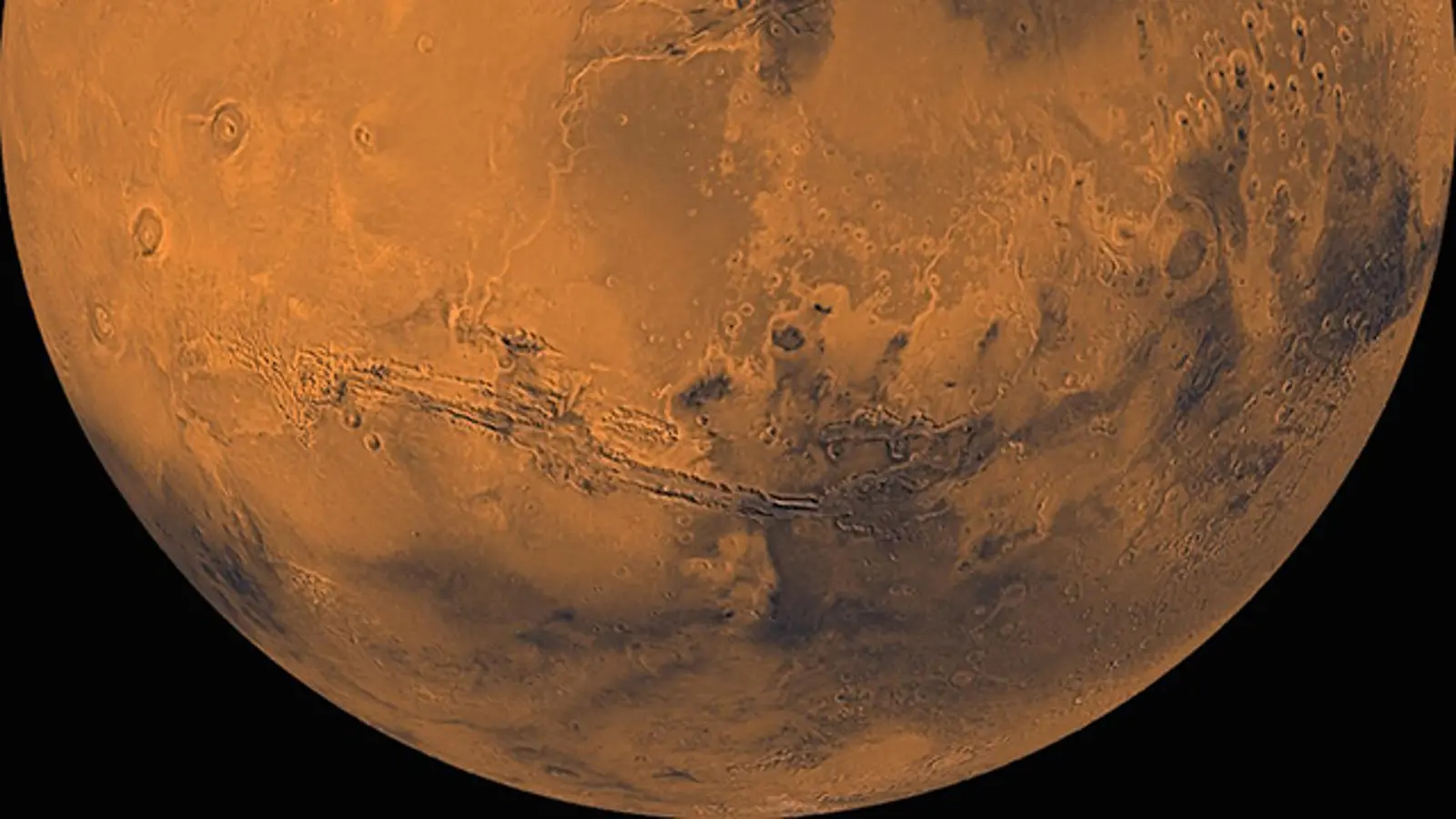
Small, pale patches dotting Jezero Crater have given scientists fresh evidence that parts of Mars may once have been warm, humid oases. Data from NASA’s Perseverance rover indicate these bright spots are rich in kaolinite clay — a mineral on Earth usually formed by prolonged rainfall or intense weathering — opening a new window into Mars’s ancient climate and its potential habitability.
Why kaolinite matters: a mineral that records rain
Kaolinite is an aluminum-rich clay mineral that forms when rainwater or warm, circulating fluids slowly leach soluble ions from rocks and sediments, leaving behind purified clay. On Earth, extended wet climates — think tropical rainforests and humid basins — are among the most common settings for kaolinite formation. Finding it on Mars is therefore notable: it implies sustained surface water and chemical weathering under conditions very different from today’s cold, arid planet.
Researchers led by Adrian Broz, a postdoctoral scientist at Purdue University working with Briony Horgan, analyzed light-colored, bleached outcrops and scattered fragments encountered along Perseverance’s traverse in Jezero Crater. Their results, published in Communications Earth & Environment, used mineral mapping by the rover’s SuperCam and Mastcam-Z instruments to identify aluminum-rich signatures consistent with kaolinite.
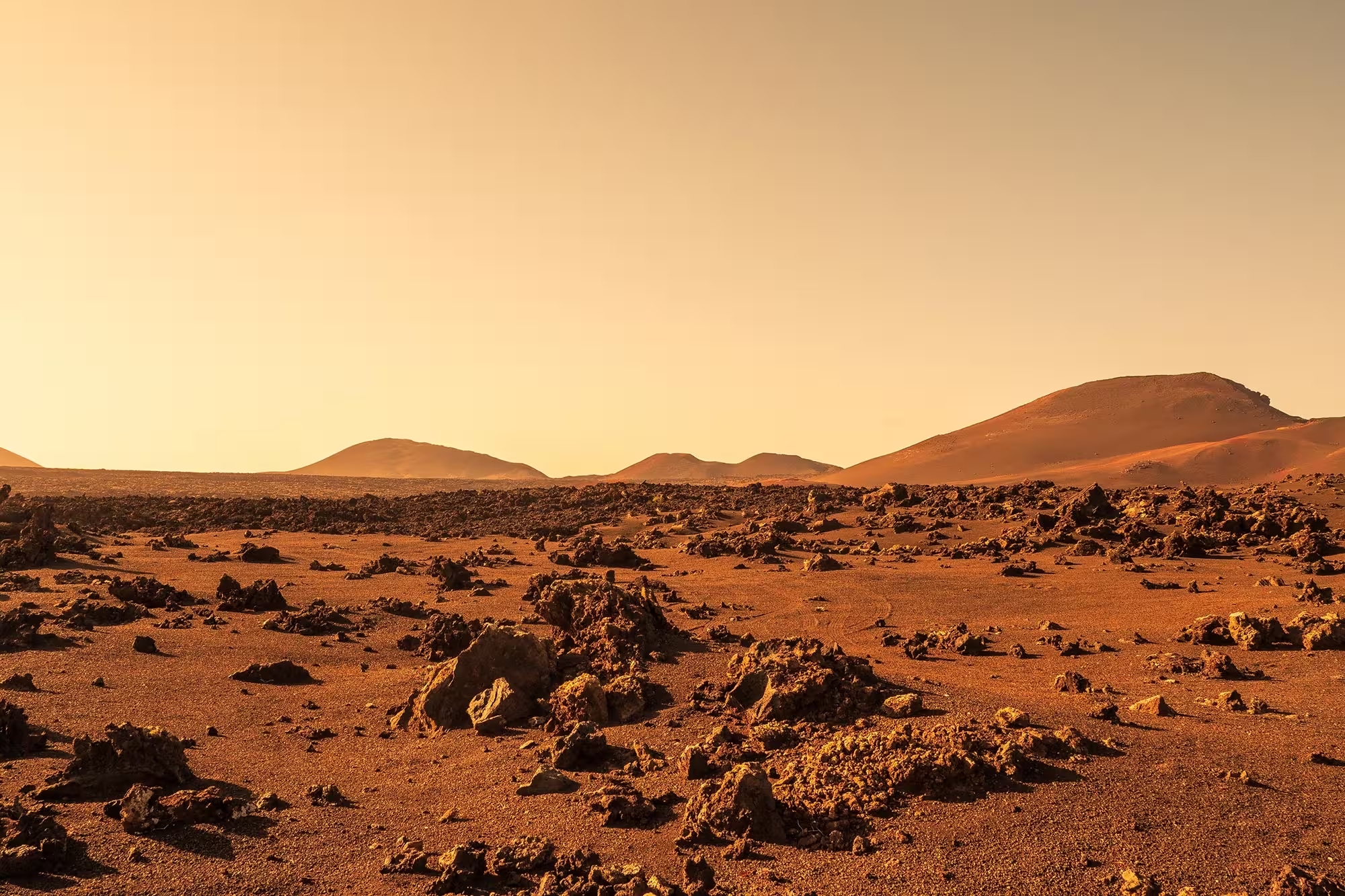
Kaolinite-rich rocks found by Perseverance hint that Mars may once have had warm, rain-soaked environments, offering new clues about the planet’s ancient climate and its potential for past habitability.
Jezero’s pale spots: local fragments or drifted relics?
The kaolinite appears not only as tiny pebbles but also as larger, pale boulders across the crater floor. That distribution raises an immediate question: where did these rocks originate?
Jezero once hosted a lake roughly twice the size of Lake Tahoe, fed by an ancient river system that built a delta. Horgan and colleagues suggest two plausible transport scenarios: the kaolinite-bearing rocks could have been weathered and then carried into Jezero by river flow, or they might have been excavated elsewhere and deposited in the crater by impacts. Either way, the presence of kaolinite indicates a major episode of water-rock interaction.
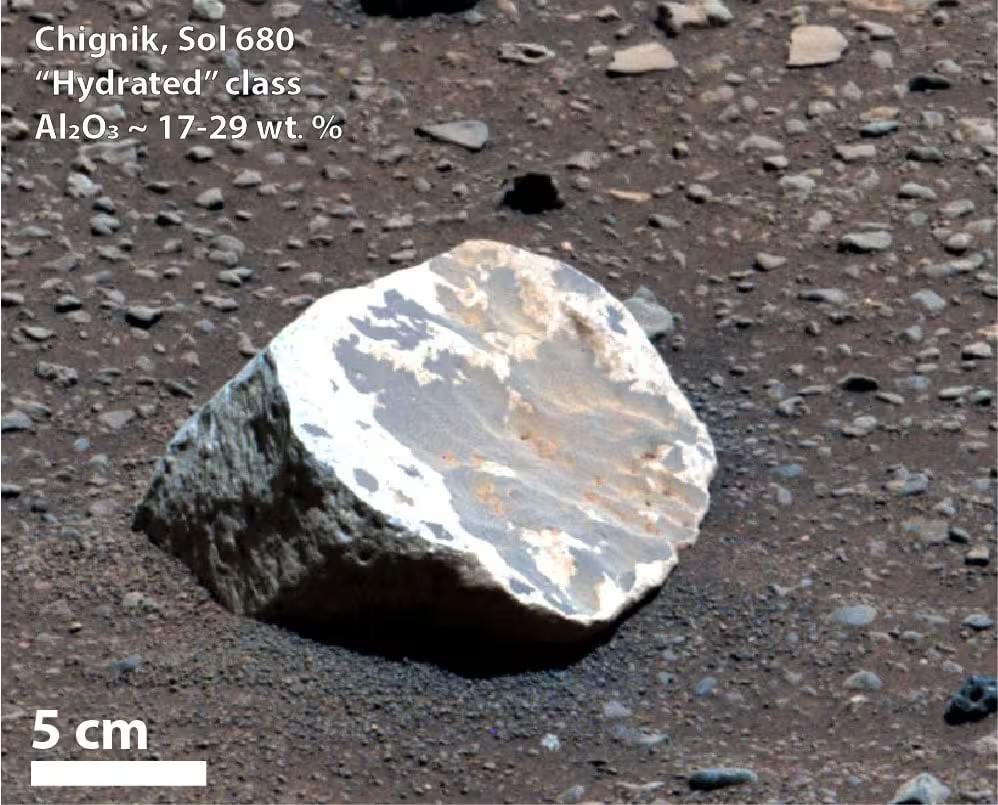
Purdue University research into rocks that stood out as light-colored dots on the reddish-orange surface of Mars shows that areas of the small planet could have once supported wet oases with humid climates and heavy rainfall comparable to tropical climates on Earth.
How scientists distinguish rain from hot springs

Not all kaolinite forms the same way. On Earth, two main pathways create similar clay minerals: low-temperature chemical weathering driven by rainfall over thousands to millions of years, and high-temperature hydrothermal alteration where hot fluids leach rock rapidly. Each process leaves a distinct chemical fingerprint.
Broz and the team compared Perseverance’s kaolinite spectra with terrestrial analogs collected near San Diego and in South Africa. The Martian samples matched patterns expected from low-temperature leaching rather than hydrothermal alteration, favoring the interpretation of sustained, rainfall-driven weathering. That distinction matters because rain implies a thicker atmosphere and warmer climate sustained over geologic timescales.
Planetary implications: climate, habitability, and chronology
If these rocks truly record rainfall, they push Mars’s habitable window into environments more Earth-like than previously confirmed. Rainfall-driven weathering produces stable surface water and soils that could have supported microbial ecosystems — if life ever emerged or was transported there.
Dating and contextual mapping will be essential to place the kaolinite in Mars’s timeline. Was the rainfall episode contemporaneous with the lake in Jezero, or does it record an earlier or later climate phase? Answering that will require further rover observations, orbital surveys of larger kaolinite outcrops, and careful geochemical analysis of the mineral grains.
Mission tools and what’s next
Perseverance’s SuperCam uses laser-induced breakdown spectroscopy (LIBS) and visible-to-infrared spectrometry to detect mineral signatures from meters away, while Mastcam‑Z provides multispectral imaging and stereoscopic context. Combined, these instruments let scientists identify targets like kaolinite in situ and plan targeted sampling.
While satellite data have already revealed larger kaolinite outcrops elsewhere on Mars, Perseverance’s ground truth is unique. Until a rover reaches those distant exposures, the small bleached rocks in Jezero are the most direct, on-the-ground evidence for how these clays formed. Future missions, sample return efforts, and coordinated orbital mapping will refine the picture of Mars’s wetter epochs.
Expert Insight
"Discovering kaolinite in Jezero is like finding a weather report from billions of years ago," says Dr. Elena Márquez, a planetary geochemist not involved in the study. "The mineral’s chemistry can tell us whether water lingered on the surface for ages or whether hot fluids briefly altered bedrock. The current data lean toward prolonged, rainfall-style weathering — a scenario that makes ancient Mars a much more inviting place for life as we know it."
Broader perspective and future prospects
This kaolinite discovery adds an important data point to long-standing debates about Mars’s ancient climate: was the early planet cold and icy with episodic melting, or did it enjoy sustained warm, wet intervals? The evidence for rainfall-driven clay formation supports the latter scenario, at least locally and episodically.

Continued analysis of Perseverance’s measurements, comparisons with Earth analogs, and coordination with orbital observations will sharpen our understanding of when and where Mars had surface water. Each mineral grain and bleached pebble is a fragment of planetary history — a small but powerful clue in the search for Mars’s watery past and its capacity to host life.











Leave a Comment
Comments (2)
Is this even true? Orbital maps hinted at clays, but rover proof is different. Sounds promising, yet skeptical, need samples.
Wow, rain on Mars? mind blown. Kaolinite is a strong clue… curious about the timeframe tho, context matters. if true, huge.