
3 Minutes
Researchers have developed a new class of plastics that combine high strength with programmable lifespans. Inspired by naturally degradable polymers such as DNA and proteins, the materials remain robust in use but can be triggered to break down in days or years — depending on molecular design. The work, led by a chemistry team at Rutgers University and reported in Nature Chemistry, points to applications from disposable food containers to long-lasting automotive parts and even smart drug capsules.
How a walk in the park led to a new idea
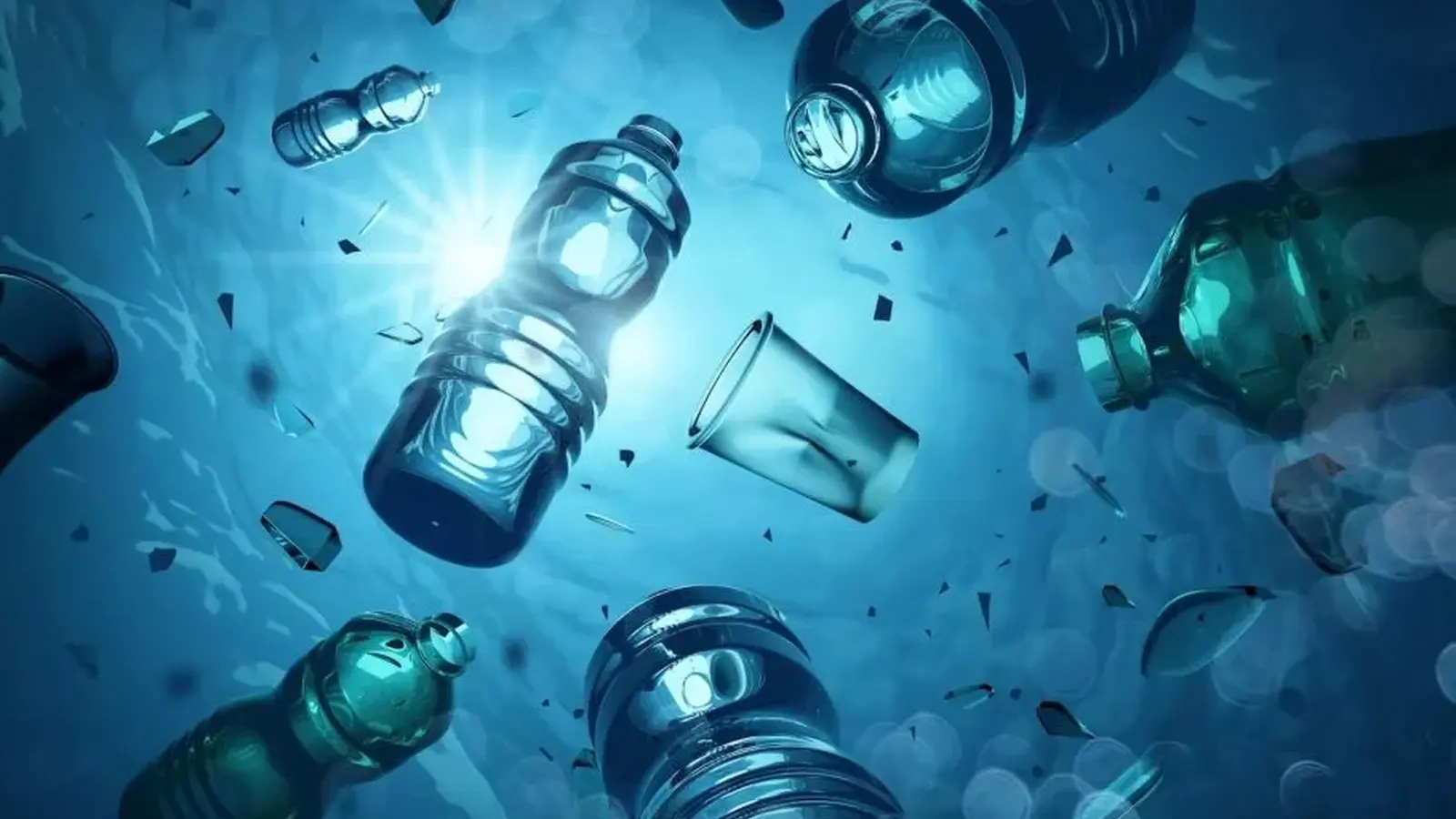
Imagine spotting abandoned plastic bottles on a trail and wondering why nature builds polymers that vanish while human-made plastics persist for centuries. That moment of curiosity inspired Yuwei Gu, a chemist at Rutgers, and colleagues to look closely at how biological polymers control when bonds break. Natural macromolecules often contain small structural motifs that act like molecular scissors, cleaving bonds at precise times or under specific conditions. Conventional plastics lack those predictable ‘‘weak links.’’
Designing plastics with a built-in time‑keeper
To mimic this strategy, the team engineered plastics with chemical units purposely arranged so certain bonds are primed to break when exposed to defined triggers. Think of folding a sheet of paper before tearing: a prepared fold yields a predictable rip. In these polymers, the molecular ‘‘folds’’ are reactive sites that remain dormant during normal use but cleave when activated.
Controlled triggers and tunable lifetimes
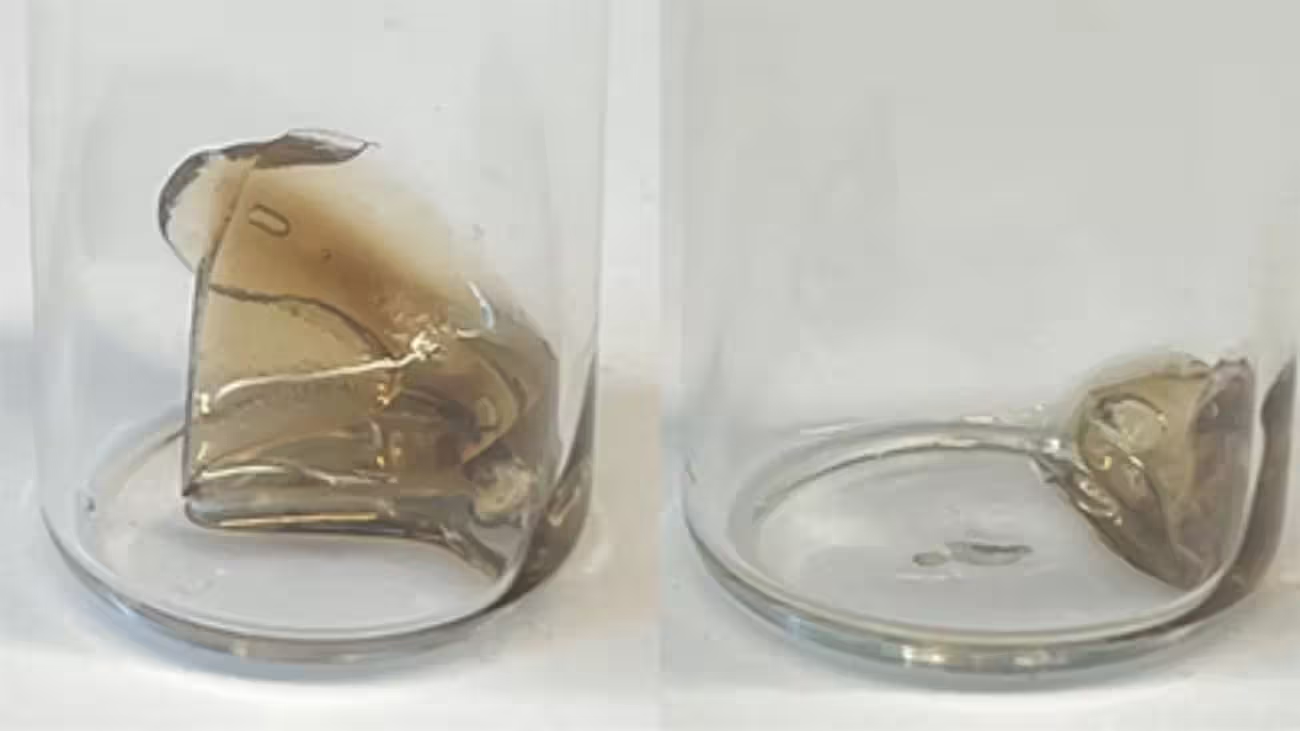
- Activation can be tuned by sunlight (ultraviolet), metal ions, or other mild stimuli — no extreme heat or harsh solvents required.
- By altering molecular layout, researchers can program materials to disintegrate within days for single-use items or persist for years where durability is essential.
Safety, testing and potential applications
Early tests indicate that the liquid remnants after degradation are non-toxic, opening doors to biomedical uses such as timed-release capsules and temporary protective coatings. Practical examples include takeout containers engineered to vanish after a few days in a composting environment, and vehicle components built to last for the typical lifespan of a car.
The research, highlighted in Nature Chemistry and covered by technology outlets, emphasizes both the chemistry and the broader sustainability implications. Programmable degradation addresses waste accumulation by giving designers control over end-of-life behavior without sacrificing performance during use.
Next steps for research and deployment
Before commercial adoption, the team will need to scale synthesis, confirm environmental safety across diverse ecosystems, and evaluate lifecycle impacts. Collaboration with manufacturers and waste-management experts will be crucial to translate lab advances into real-world materials that reduce plastic pollution without introducing new risks.
Why this matters
Programmable, nature-inspired polymers reframe the plastic problem: instead of only improving recycling or replacing materials, we can design products to disappear on schedule. That shifts responsibility back to designers and engineers, who can now build with an eye toward both durability and planned, safe degradation.


Leave a Comment
Comments
No comments yet. Be the first.