
2 Minutes
Imagine choosing between a daily injection and a single operation — and watching the numbers diverge dramatically. Clinicians at New York University tracked real patients and found a gap that many hadn't expected.
Using electronic health records, researchers matched people who started on GLP-1 drugs such as semaglutide (Ozempic) or tirzepatide with peers who underwent sleeve gastrectomy or gastric bypass. Matches were based on age, body-mass index and blood sugar, creating a head-to-head look at medical therapy versus metabolic and bariatric surgery in everyday practice.
The headline: over two years, patients who had surgery lost an average of 25.7% of their total body weight. Those on GLP-1 medications lost 5.3%. Surgery produced about five times the weight loss of GLP-1 medication after two years.
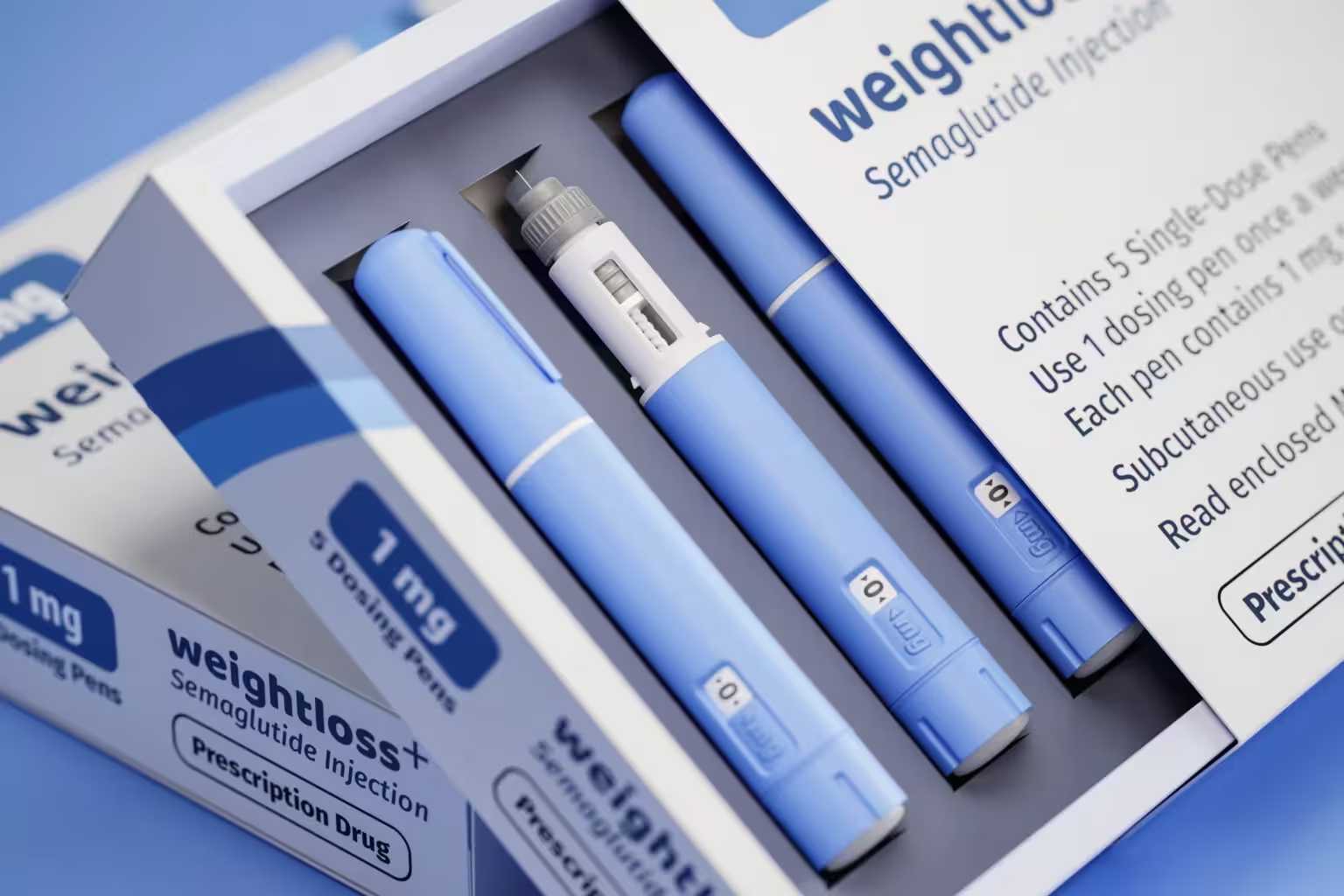
Numbers tell part of the story. Adherence tells the rest. Clinical trials of GLP-1 drugs often report 15–21% weight loss, but real-world use falls short — partly because many people stop treatment within a year. NYU surgical resident Avery Brown pointed out that lower persistence and differing expectations help explain why results in clinics can look far weaker than results in trials.
There are trade-offs. GLP-1s work by mimicking the body's appetite-regulating GLP-1 hormone and were originally approved for type 2 diabetes; they also show benefits for blood sugar control and may reduce risks from cardiovascular disease and some cancers. Surgery, on the other hand, delivered even stronger improvements in blood sugar in this analysis, and those effects tended to be durable.
But surgery is not a simple switch. Procedures are invasive and largely permanent, and they require lifelong dietary changes and follow-up. The study authors and outside experts stress that both pathways can be appropriate depending on patient goals, risk tolerance and access to care.

Readers should also know who funded the work. The American Society for Metabolic and Bariatric Surgery supported the research, a fact that raises reasonable questions about incentives even as the data are carefully presented. The investigators called for further studies to find which patients are best served by drugs versus surgery, how to improve GLP-1 persistence, and what role cost plays in treatment decisions.
The results were unveiled at the ASMBS annual meeting in 2025 and add a crucial real-world datapoint to the debate over obesity treatment. Which path is right will depend on the person standing at the crossroads — but the gap in effectiveness is now harder to ignore.


Leave a Comment
Comments
No comments yet. Be the first.