
3 Minutes
Imagine the federal government holding a piece of one of the planet’s most influential AI labs. It sounds like a plot twist, but Washington is reportedly knocking on OpenAI’s door.
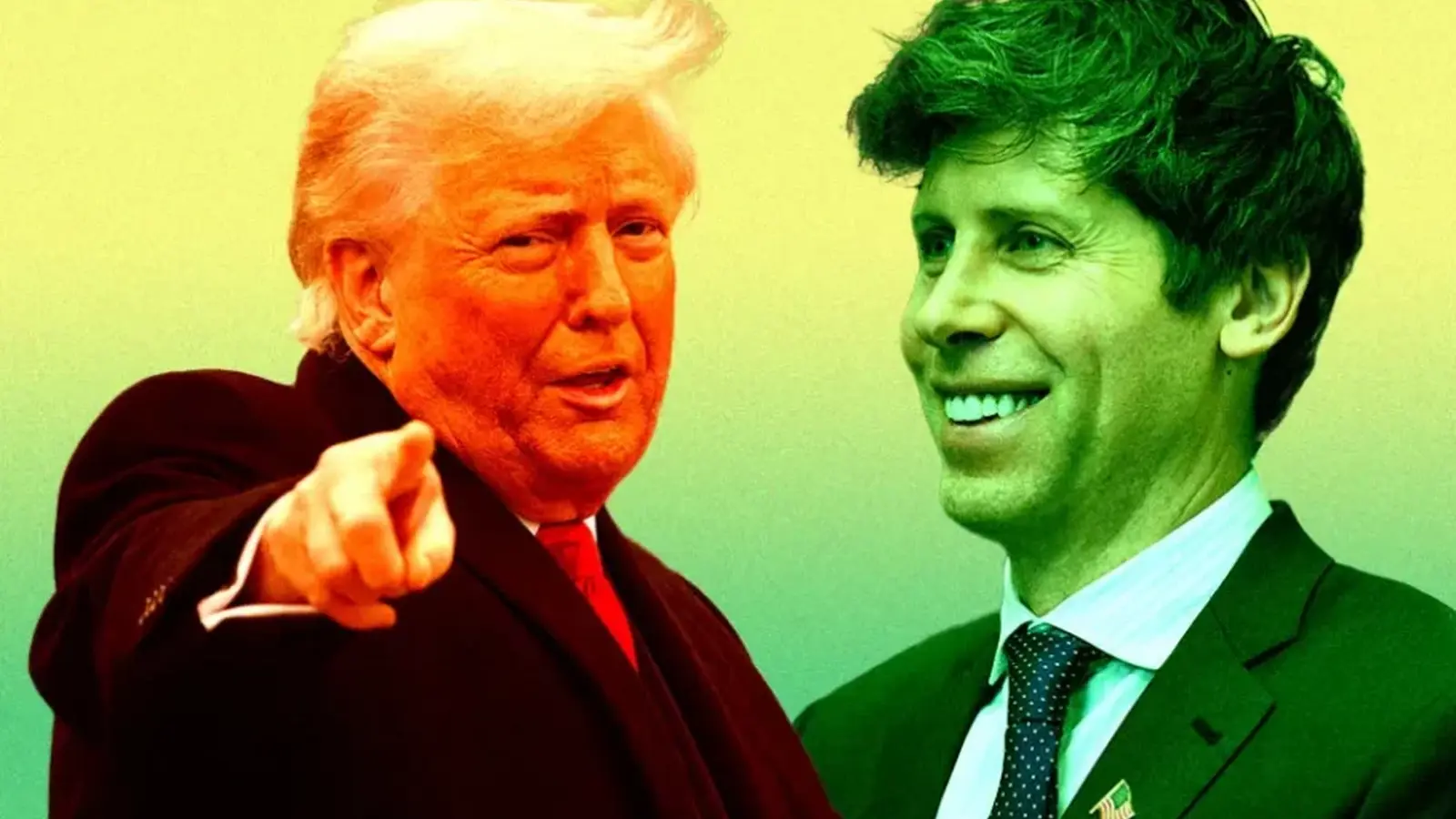
According to recent reporting, the Trump administration has opened talks with Sam Altman, OpenAI’s chief executive, about the government taking an ownership stake in the company. The proposal ties into a bolder idea: a public “AI wealth” fund that would capture a share of value created by AI and channel it back to American citizens.
The concept itself has roots inside OpenAI. Earlier this year the company floated mechanisms for broader distribution of AI’s economic gains so that benefits wouldn’t accrue only to early investors or a narrow set of stakeholders. Now, that notion appears to have found a potential partner in the U.S. government.
On Air Force One, President Trump told reporters he’d discussed the plan with executives from major AI firms and framed the move as a way for ordinary Americans to become formal commercial partners with large tech companies. It’s not the first time the administration has pursued equity positions: last year it invested roughly $9 billion to acquire about 10 percent of Intel, a move that signaled a newfound appetite for state stakes in strategic, for-profit firms.

What would a government stake actually change? For one, it would give federal authorities a stronger hand in shaping how and when AI models reach the public. The administration recently issued an executive order asking companies to voluntarily submit AI models for regulatory review before release. OpenAI—a rare company willing to engage directly—has reportedly agreed to comply, offering its latest models to regulators prior to public deployment.
There are competing forces at play. On one side: national security concerns, public-safety mandates and a desire to democratize AI gains. On the other: industry worries that state ownership or pre-release oversight could stifle innovation, slow deployment and create geopolitical precedents other countries might mimic.
Legally and politically, the idea of a sovereign-style AI fund raises many questions. How would valuation be determined for a stake in a private AI company whose core assets are models, datasets and rapidly iterating IP? Who would administer the fund, and by what rules would proceeds be redistributed? Answers are not yet public, and negotiations reportedly remain in early stages.
This isn’t just a financial maneuver; it’s an experiment in governance—testing how democracies can share the upside of transformative technology without killing the very engines that drive it.
Expect tight scrutiny from regulators, rival firms and civil-society groups as this story develops. The stakes are both economic and symbolic, and whichever way the deal moves, it will reshape debates about who owns the future of artificial intelligence.


Leave a Comment
Comments
No comments yet. Be the first.