
3 Minutes
Silence, then surprise. Intel slipped two budget-friendly Raptor Lake chips into listings without the usual fanfare, and they come with a twist that will make system builders sit up: no integrated graphics.
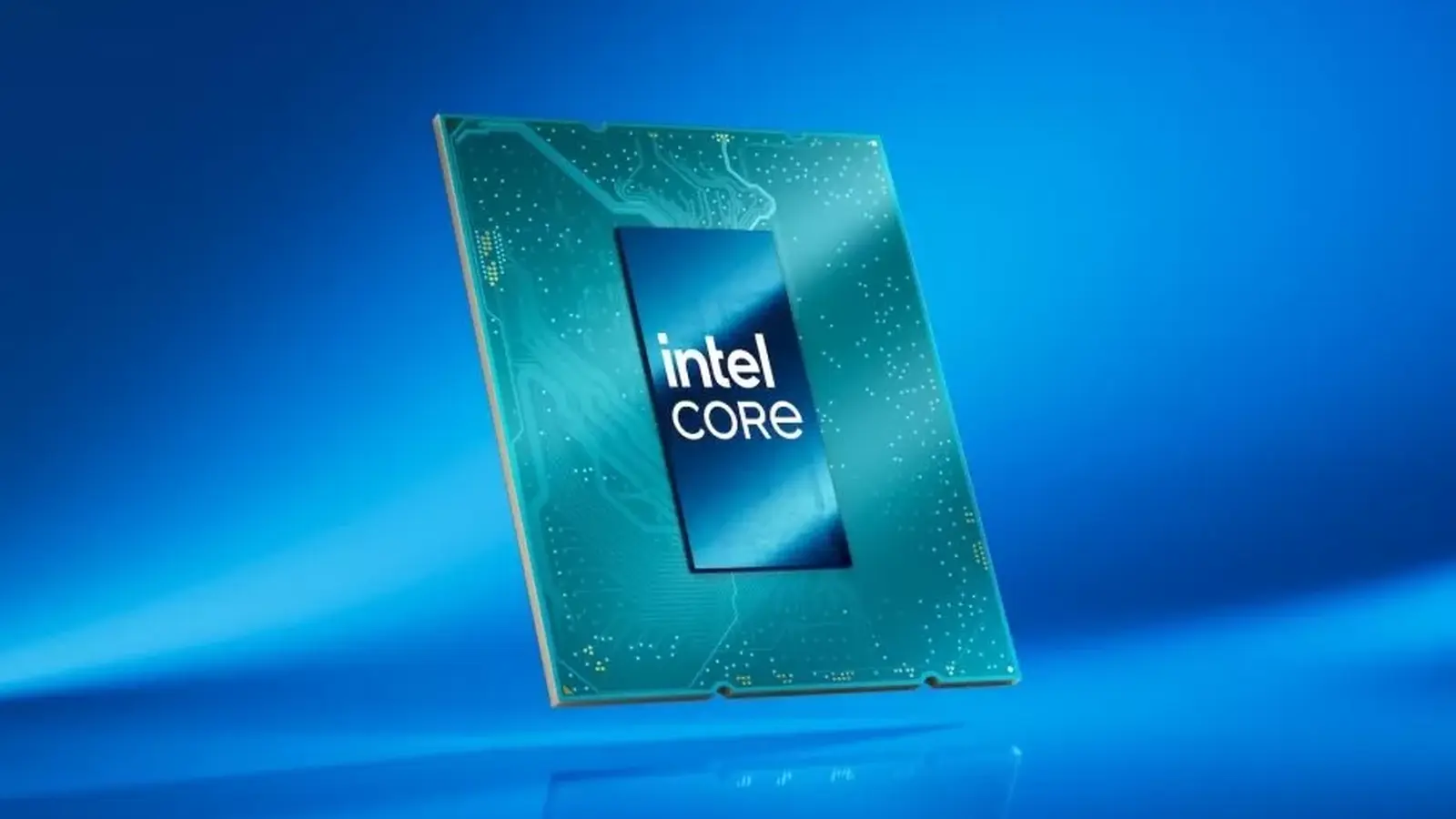
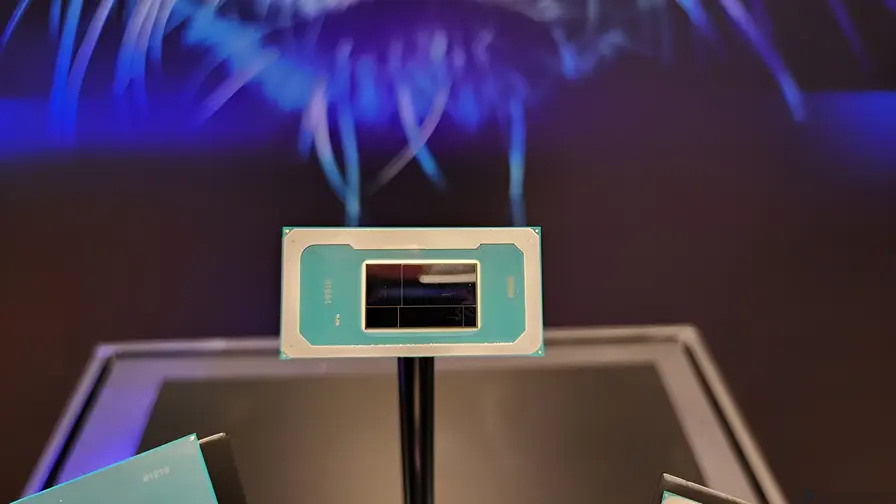
The Core 7 230H and Core 5 205H arrive as refresh-class parts for Intel’s 13th and 14th generation families, but they don’t carry the familiar Core i labeling and they lack any onboard GPU. That’s a deliberate move. These processors are aimed at laptops and compact systems that already pair with discrete graphics — think mobile workstations or gaming machines that never meant to rely on an iGPU.
Hardware-wise the 230H is the bigger sibling. Ten cores split between six performance cores and four efficiency cores, and 16 threads total. It can spike to around 5.2 GHz under boost, and it sits on a 24 MB L3 cache. Power is flexible — the package is rated in a 45 to 115 W window, depending on OEM tuning and thermal headroom. Oddly, Intel’s spec page lists the 230H memory controller as limited to DDR5-5200, while a close relative, the 240H, supports DDR5-6400. Some insiders suspect a copy‑and‑paste error on the spec sheet; others say it’s an intentional segmentation move.

The Core 5 205H is more modest but still purposeful. It carries eight cores (four P, four E) and 12 threads, with a 4.8 GHz boost ceiling and 12 MB of L3 cache. It shares the same 45–115 W envelope, which means laptops can be tuned for low-power endurance or higher sustained performance depending on design choices.
Both chips lack integrated graphics, so a discrete GPU is required to get video output.
Another subtle change: Intel’s naming approach here is unconventional. These parts appear under a simplified Core 200-series label and omit the “Ultra” and traditional Core i prefixes that buyers have come to expect. That naming choice clarifies they aren’t Arrow Lake parts, even if they bridge generation lines as refreshed Raptor Lake silicon.
What does this mean in practice? For OEMs and system integrators, it opens the door to slightly cheaper CPU options for machines that will always rely on dedicated GPUs. For end users it’s a reminder to check product lists carefully — a laptop marketed with these chips will not display anything without a separate graphics card.
No official pricing or distribution details have been posted yet. But with this quiet release Intel seems to be experimenting with more segmented SKUs: simpler names, fewer integrated features, and clearer targeting to specific system designs. Expect to see these parts show up first where manufacturers prioritize cost savings and discrete graphics performance over integrated versatility.
Curious to see how OEMs will package these chips? Keep an eye on upcoming laptop announcements; the first systems will reveal whether this was a niche tweak or the start of a broader strategy.

Leave a Comment
Comments
No comments yet. Be the first.