
3 Minutes
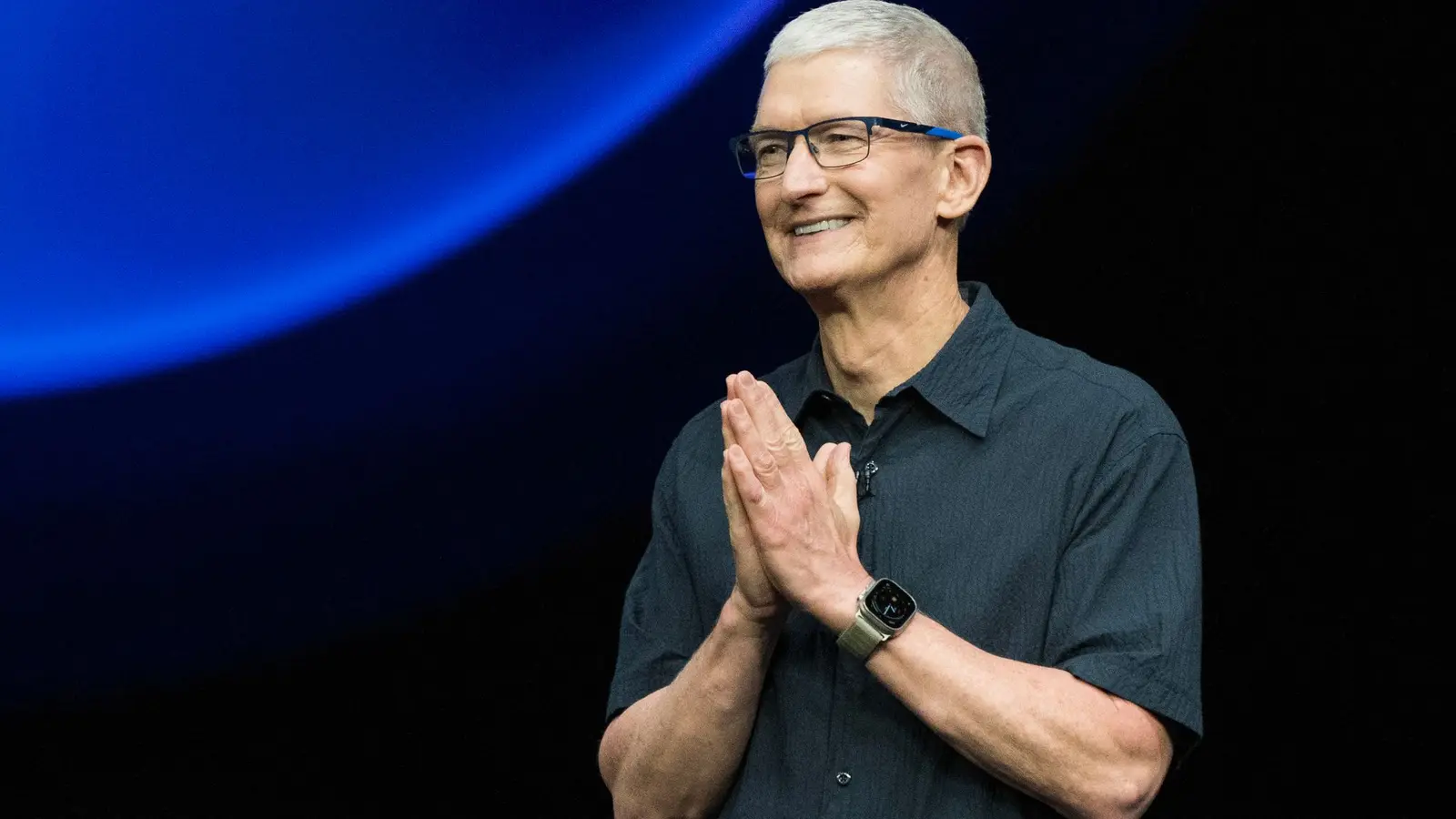
In the final miles before handing over the CEO badge, Tim Cook did something uncharacteristic: he stepped into the engineering trenches. He didn’t send a memo. He called the plays himself.
According to reporting from Bloomberg’s Mark Gurman, Cook intervened directly after Apple’s initial AI gambit stumbled. The rebuilt Siri — the version Apple is now pinning its voice-assistant hopes on — became his personal project. He weighed in on roadmaps, picked favored features, and began making unilateral decisions in an effort to close a gap that, until recently, he’d largely let lie with his lieutenants.
That is notable because Cook’s style has always been to set broad direction and let his team execute. For years he watched demos, offered feedback, and trusted division heads to carry the plan forward. Suddenly, the CEO who preferred oversight was steering daily strategy. He even rallied the company in an hourlong all-hands, arguing that artificial intelligence is a watershed moment comparable to the internet, smartphones, the cloud and apps — and that Apple had to seize it.
The timing gives the move extra weight. Cook is slated to hand the top job to John Ternus on September 1. So this AI push reads like a last major maneuver from a leader who clearly believes the stakes are enormous. If Apple’s next decade of user experience depends on voice and on-device reasoning, then what ships in the coming months will be more than product tweaks; they’ll be the foundation of a new platform era for the company.

Contrast this with Google’s playbook. Google rolled Gemini into Pixel 10 phones months ago and declared it the successor to its older Assistant. The rollout has had its own stumbles, but it already exists in users’ hands. Apple, by comparison, has been slower getting its rebuilt Siri out the door — and that gap is what appears to have prompted Cook’s hands-on approach.
Inside Apple there were reportedly tensions. Executives who once called the shots on services and software were nudged, pressed, and at times publicly warned that the company could be left behind. Apple’s services chief even suggested that AI could disrupt the iPhone business within a decade. That’s not humble language coming from a team that has long defined Apple’s cadence and secrecy.
Outside the boardroom, frustration is visible in online communities. Reddit threads capture a blunt sentiment: many users feel Siri lags behind competing assistants and that Apple’s response has been too slow. Anecdotes about accidental voice reads through headphones or awkward responses are small, but they add up to a credibility problem when the promise is a truly intelligent phone.
I admit I’m skeptical. Executive pep talks don’t upgrade my device. Promises don’t stop a virtual assistant from misunderstanding me. Yet there is reason to watch closely. A CEO changing course this late suggests urgency that runs deeper than a quarterly hiccup. WWDC will be the next checkpoint. If the updated Siri and the iPhone features Apple demos actually feel smarter and more useful in everyday life, skeptics like me will have to revise our assumptions.
Until then, the story isn’t just about a product fix. It’s about a company known for steady rhythms suddenly sprinting. And about a leader who, in his final act before a planned handoff, decided to take the wheel and drive toward a future he clearly believes Apple can still shape.

Leave a Comment
Comments
No comments yet. Be the first.