
3 Minutes
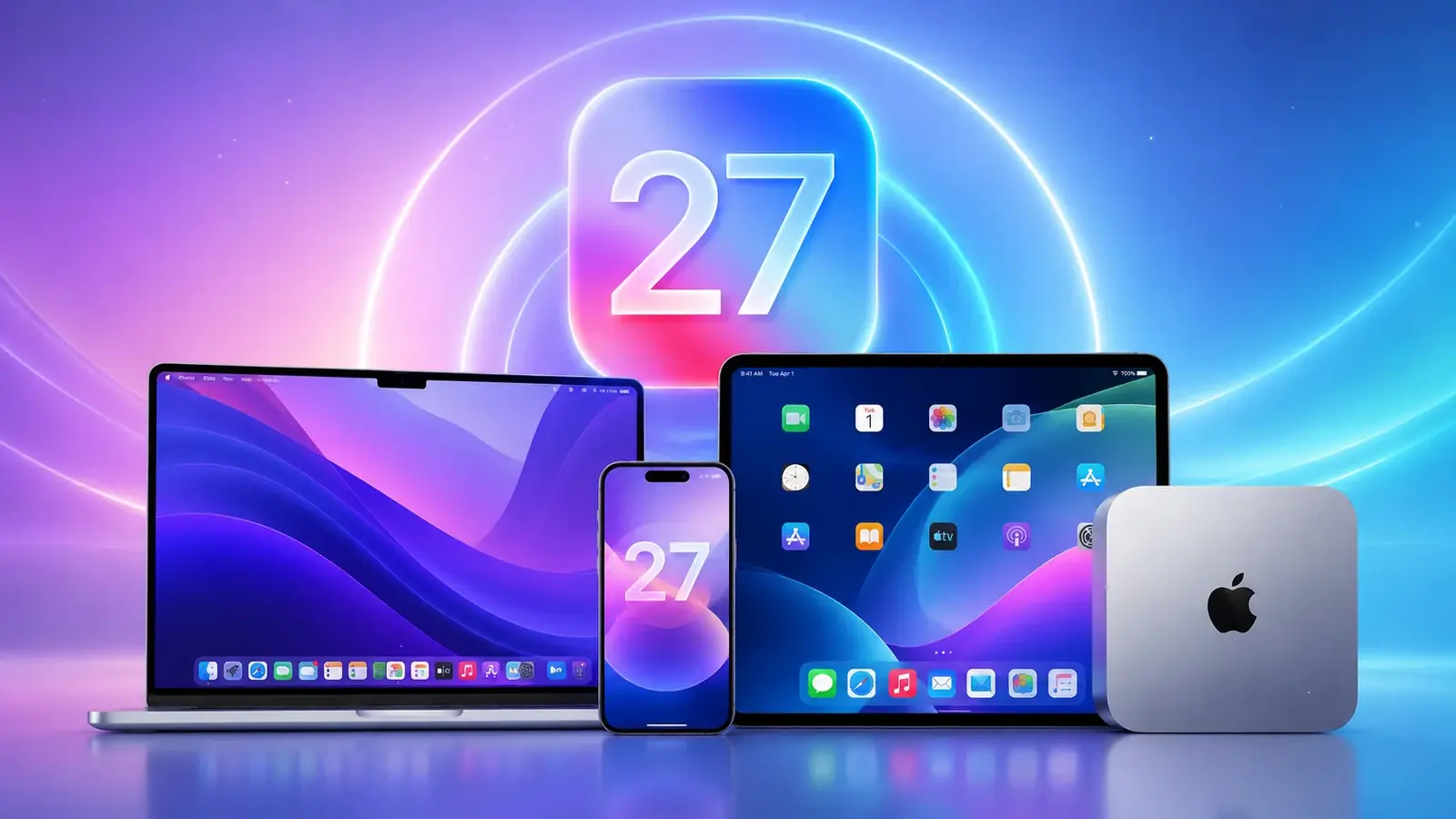
Apple has published the device roster for its next major updates — and the list reads like a crossroads between cautious support and deliberate pruning.
iPhone owners get the simplest message: if your handset ran iOS 26, it will run iOS 27. That covers devices from the iPhone 11 family through the latest iPhone 17 series, as well as the iPhone 16e, iPhone Air, and iPhone SE starting with the 2nd generation. In plain terms: a wide swath of users get another year of software updates and new features without upgrading hardware.

The iPad picture is less forgiving. Apple is dropping several older models this cycle. The 2018 11-inch and 12.9-inch iPad Pro models, the 8th-generation iPad, the 5th-generation iPad mini, and the 3rd-generation iPad Air are no longer on the compatibility list. Supported iPads include Pro models from the 2nd-generation 11-inch and the 4th-generation 12.9-inch forward, along with more recent iPad Air, iPad, and iPad mini releases. It’s a pruning that nudges users toward newer tablets if they want the latest iPadOS features.
On Macs, Apple is drawing a bright line. macOS 27 Golden Gate will run only on Apple silicon machines: recent MacBook Air and MacBook Pro models, Mac mini, iMac, Mac Studio, Mac Pro, and the freshly announced MacBook Neo are on the list. If you are still on an Intel Mac, this is the end of the road for major macOS upgrades. The move cements Apple silicon as the platform’s future and signals developers to optimize for the new architecture.
The watchOS story had an awkward moment. A first published compatibility list omitted the Apple Watch Series 9, prompting alarm because the Series 9 shares the same S9 chip used in the Ultra 2. Apple corrected the record quickly. watchOS 27 will support the Series 9, Series 10, Series 11, Ultra 2, Ultra 3, and the latest Apple Watch SE.
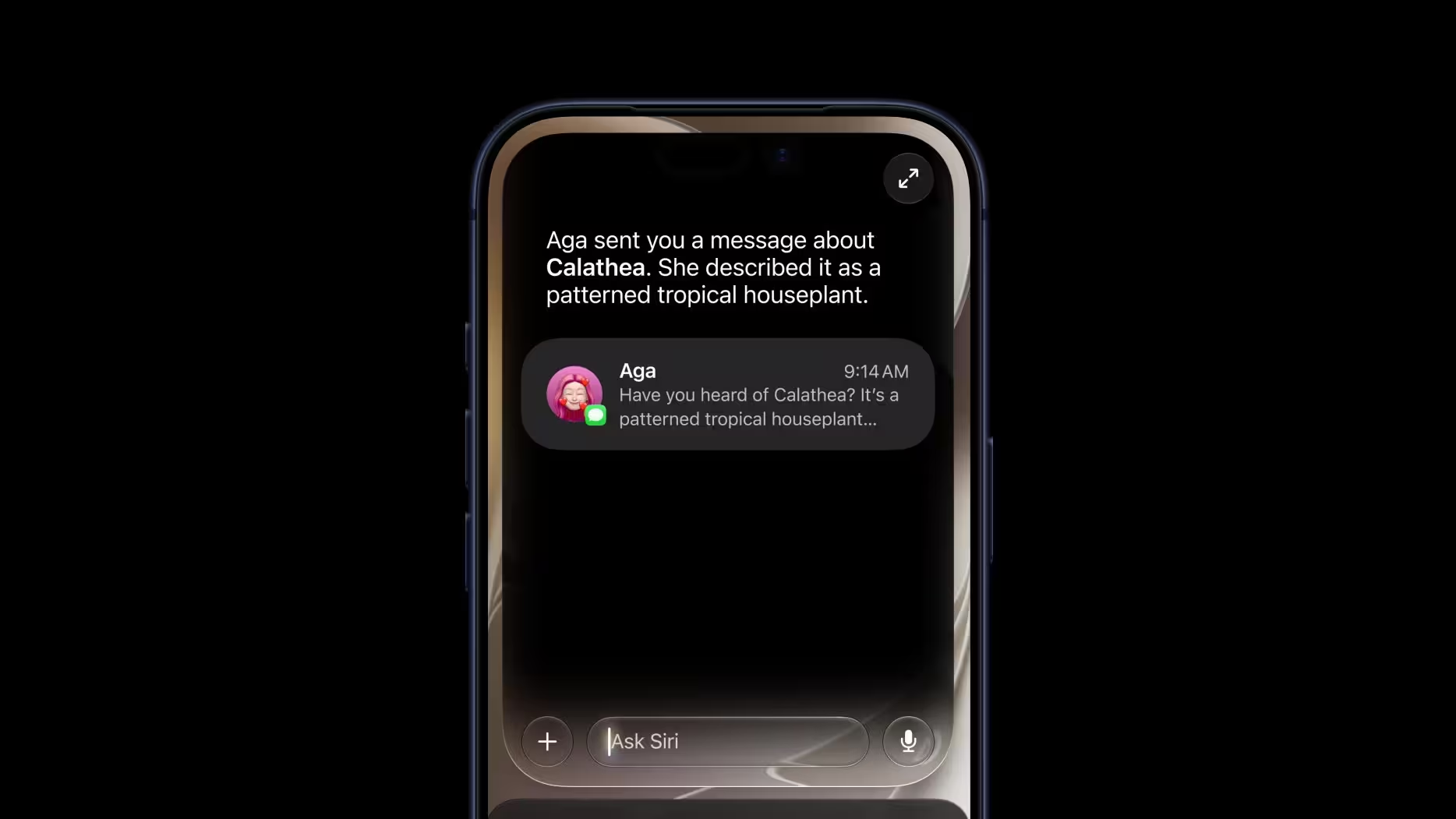
Across devices the headline features are familiar: expanded Apple Intelligence tools, a smarter Siri AI experience, and refreshed design touches in multiple places. Think new on-device prompts, tighter integration across apps, and a few visual updates that make the OS feel fresher. Expect these releases to arrive this fall, with staged developer and public betas beforehand.
So what should you do now? If your device is on the list, plan to test the betas and back up before the fall rollout. If it isn’t, consider whether you need the newest features or can ride out one more year on your current setup — and, if necessary, start budgeting for an upgrade.


Leave a Comment
Comments
No comments yet. Be the first.