
2 Minutes
Picture a skyline filled with tiny humming devices, each one talking to cell towers as if the air itself were a crowded conference room. How do you prevent that chatter from turning into a traffic jam on your cellular network?
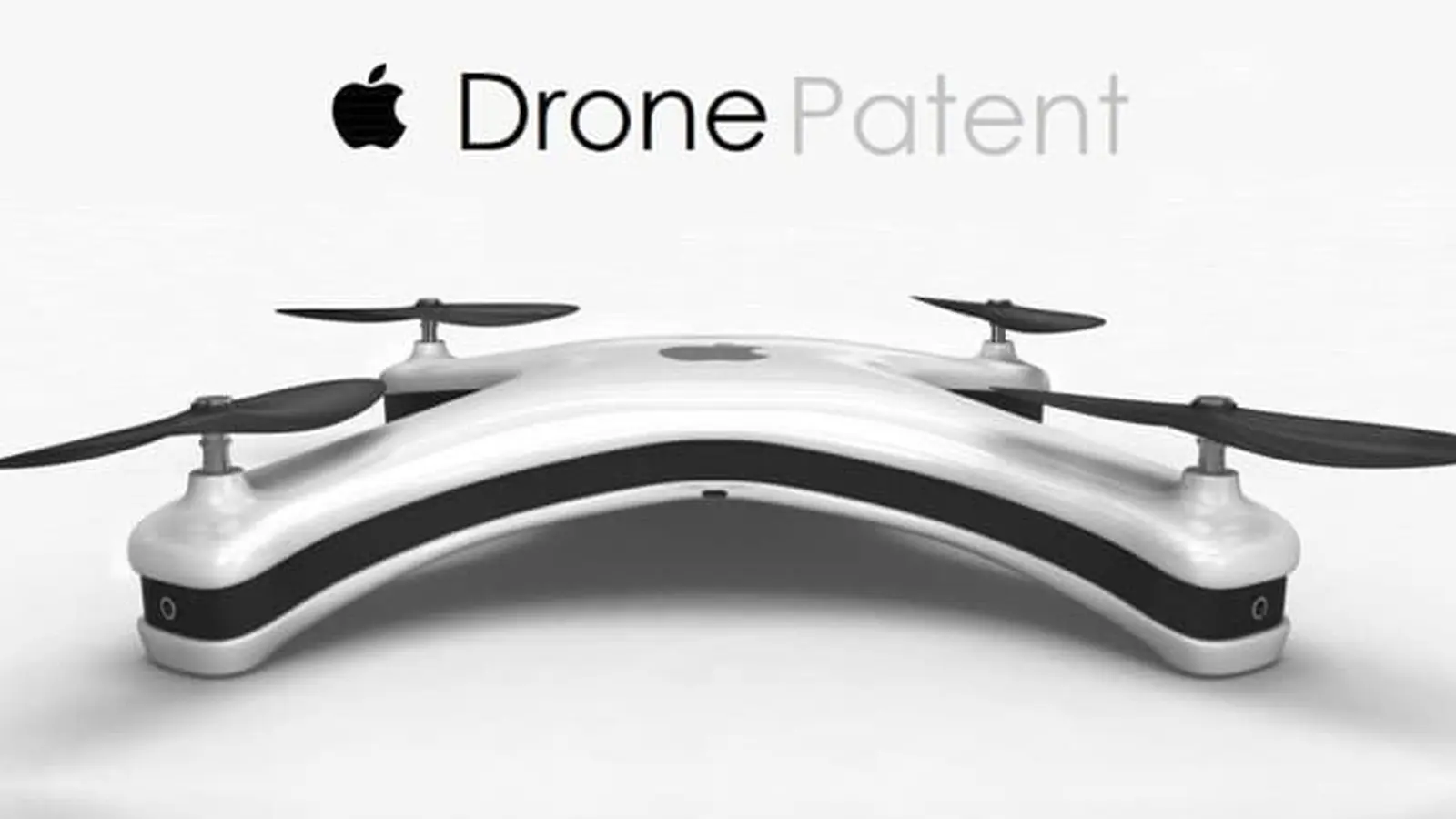
Apple’s latest patent application offers an answer. Not a flying car, not a consumer gadget on store shelves—but a methodical approach to keep swarms of drones from drowning 4G and 5G infrastructure in signaling noise. The problem is straightforward: when drones move, they constantly report radio metrics—RSRP (signal power), RSRQ (signal quality), SINR (signal-to-interference-plus-noise)—and precise beam reports to every nearby tower, creating massive signaling overhead. More devices, more handoffs, more logs. The result: congestion that can affect other users and critical services.
The patent proposes three simple-but-elegant workarounds that read like traffic engineering for the sky. First, when nothing dramatic is happening—say, a routine handoff between 5G and 4G—the drone would only send a Cell ID, the tower’s unique identifier, instead of streaming full signal logs. Short check-ins. Less noise.

Second, Apple suggests a threshold-based policy: the drone tracks how many distinct towers it has interacted with over time and holds off on sending full diagnostic dumps until that count passes a preconfigured limit. Think of it as batching: gather a meaningful chunk of change before you go to the bank.
Third, the approach introduces frequency-aware batching. Each type of measurement or frequency band gets a coded threshold, and uploads only occur when combined conditions trigger the alarm. The upshot is one aggregated report replacing a string of erratic, high-frequency uploads—less chatter, fewer spikes in signaling traffic.
This is not mere theory. Those three moves—Cell ID only for routine events, count-based batching, and frequency-coded thresholds—map to real constraints in mobile networks. They reduce the number of control-plane messages that towers and core networks must process, which matters as cities and industries start to imagine hundreds or thousands of coordinated aerial devices.
Apple’s patent doesn’t promise a fleet of consumer drones tomorrow, but it does reveal a clear engineering posture: make dense device fleets polite on shared radio resources.
Whether these ideas end up inside a product, a partner platform, or remain intellectual property, they hint at a future where drones coexist with our phones and IoT devices without bringing cellular systems to a crawl.


Leave a Comment
Comments
No comments yet. Be the first.