
.webp)
Can a once-weekly injection rewrite the biology of aging bodies? For many older adults in a large pooled analysis of the STEP program, the answer looks promising.
Researchers combined data from six randomized trials to look specifically at people aged 65 and older with overweight or obesity but without diabetes. The group was small compared with the entire STEP cohorts — 358 participants in total — yet it revealed striking results. Participants received once-weekly semaglutide 2.4 mg or placebo, alongside lifestyle counseling, and were followed for 68 weeks.
The average volunteer started the study at about 69 years old, weighing roughly 99 kilograms with a body mass index near 36.6. Most were between 65 and 74 years old; about a quarter were men. Despite that demographic skew, the treatment effect was clear and large.
Older adults on semaglutide lost about 15.4 percent of their body weight on average, compared with 5.1 percent for placebo — a dramatic gap.
.avif)
Waist measurements told a similar story. Those receiving semaglutide trimmed an average of 14.3 centimeters from waist circumference versus 6.0 centimeters with placebo. The proportions who hit clinically meaningful milestones were much higher with the drug: two thirds lost at least 10 percent of their weight, nearly half lost 15 percent or more, and more than one quarter dropped 20 percent or more. By week 68, 27 percent of treated participants had reached a BMI below 27, compared with just 5.5 percent of placebo recipients.

Body shape shifted too. A waist-to-height ratio under 0.53, a marker tied to lower cardiometabolic risk, was achieved by a little over 11 percent of the semaglutide group versus 4.5 percent with placebo. Put differently, many older adults moved not only into lower weight categories but also into healthier risk profiles.
And the benefits went beyond the scale. Blood pressure, lipid values, measures of blood sugar control, and inflammatory markers improved more with semaglutide than with placebo. Those gains suggest that weight loss translated into meaningful cardiometabolic changes rather than just a cosmetic outcome.
No medication is risk-free, of course. Overall adverse events were common in both arms, reported in roughly nine out of ten people on semaglutide and eight out of ten on placebo, reflecting the reality of clinical trials in older populations. Serious adverse events were somewhat more frequent among semaglutide users, 19.0 percent versus 12.7 percent. Expected side effects — constipation and dizziness — appeared more often with the drug. Rates of fractures and hypoglycemia remained low in both groups.
Why does this matter? Excess weight in later life drives disability, reduces quality of life, and fuels chronic disease. Historically, older adults have been underrepresented in obesity drug research, leaving clinicians to extrapolate from younger cohorts. This focused analysis fills an important gap by showing that the efficacy seen in broader STEP populations largely carries over into the over-65 group while keeping safety signals largely consistent.
Of course, numbers do not replace individualized care. Frailty, polypharmacy, kidney function, and patient goals all factor into whether a medication is appropriate. Still, the magnitude of weight and waist reduction, paired with improvements in cardiometabolic markers, gives clinicians and patients new evidence to consider when weighing treatment options.
The study authors emphasize that these results support use of semaglutide in older adults with obesity, arguing that targeted treatment could relieve a major driver of age-related disability. As the population ages and the prevalence of excess weight in later life rises, the question becomes less about whether we can make older people slimmer and more about how we can help them live healthier, fuller years.
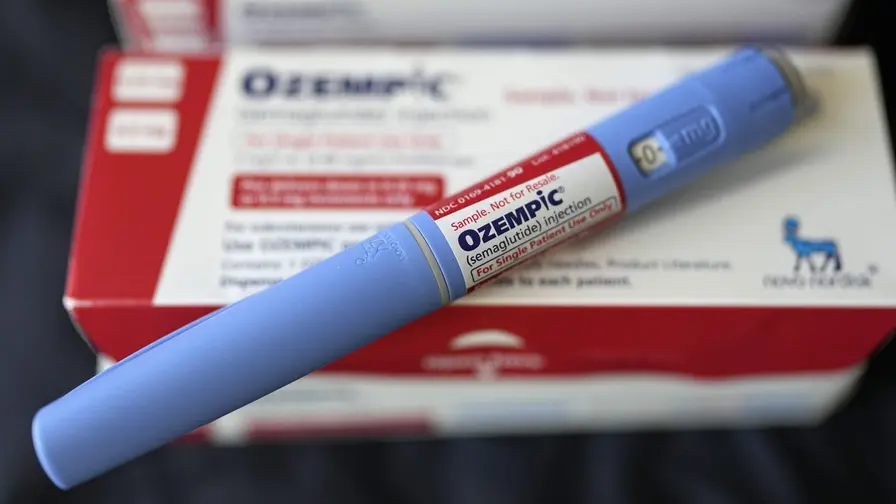
If a weekly shot can change trajectories at age 65 and beyond, what might that mean for the next chapter of aging?

Leave a Comment
Comments (2)
Small subgroup though, only 358 people? Seems promising but is that enough to trust long term safety, esp with more serious events on the drug. quick thought
wow, 15% weight loss in older adults? thats huge. If true, could change aging care... but those serious AEs worry me, especially in frail ppl. still curious, if that's real then