
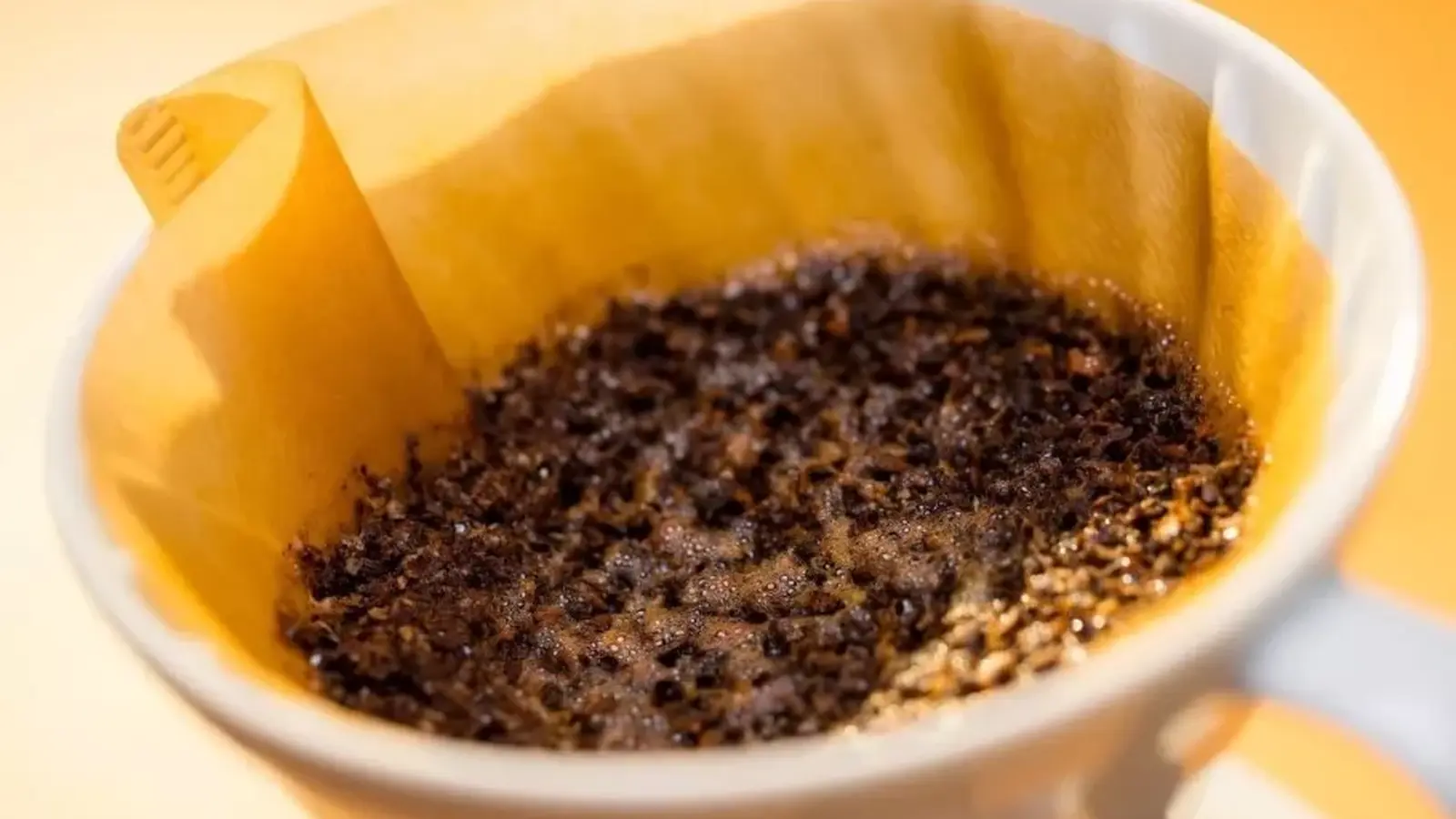
What if your morning coffee could warm a house? South Korean researchers have built a machine that does something close to that: it transforms wet coffee grounds into a coal-like biochar in roughly the time it takes to brew a second cup.
This system turns wet coffee grounds into a coal-like biochar in about 90 seconds without pre-drying.
The device, developed at the Korea Institute of Geoscience and Mineral Resources (KIGAM), uses flame plasma pyrolysis — a process driven by intense plasma flames created from liquefied gas and compressed air. Temperatures spike to roughly 800–900°C, and the high heat attacks the moist waste so quickly that the usual, energy-intensive drying step becomes unnecessary.

That moisture, ordinarily a nuisance for waste-to-energy conversion, becomes the engine of change. As trapped water flashes to steam, internal pressures surge and tiny, popcorn-like ruptures form inside the grounds. These micro-explosions open up pores and accelerate carbonization, producing a highly porous biochar in a fraction of the time traditional methods require.
The result is not just faster processing. The researchers report a higher heating value near 29 megajoules per kilogram — roughly 33% greater than untreated coffee grounds — and a product that behaves much like anthracite coal in combustion tests. Perhaps more striking: the plasma stage appears to destroy sulfur compounds, which means burning this biochar releases negligible sulfur dioxide compared with some fossil fuels.

Beyond lab numbers, the implications are pragmatic. Coffee shops, food processors and municipalities struggle with moist organic waste that is costly to dry and dispose of. A compact, rapid converter could slash transportation and tipping costs while turning an urban nuisance into a lightweight, energy-dense fuel or soil conditioner.
The full findings are documented in the Chemical Engineering Journal, but the broader message is already clear: thermal chemistry and clever engineering can repurpose everyday waste at speed and scale. The next questions are technical and economic — how the process scales, the lifecycle emissions compared with other fuels, and whether this biochar will find markets as fuel, carbon sink or soil amendment.
Either way, every used coffee puck could be more than compost fodder — it might be a quick, clean chunk of tomorrow's energy.

Leave a Comment
Comments
No comments yet. Be the first.