
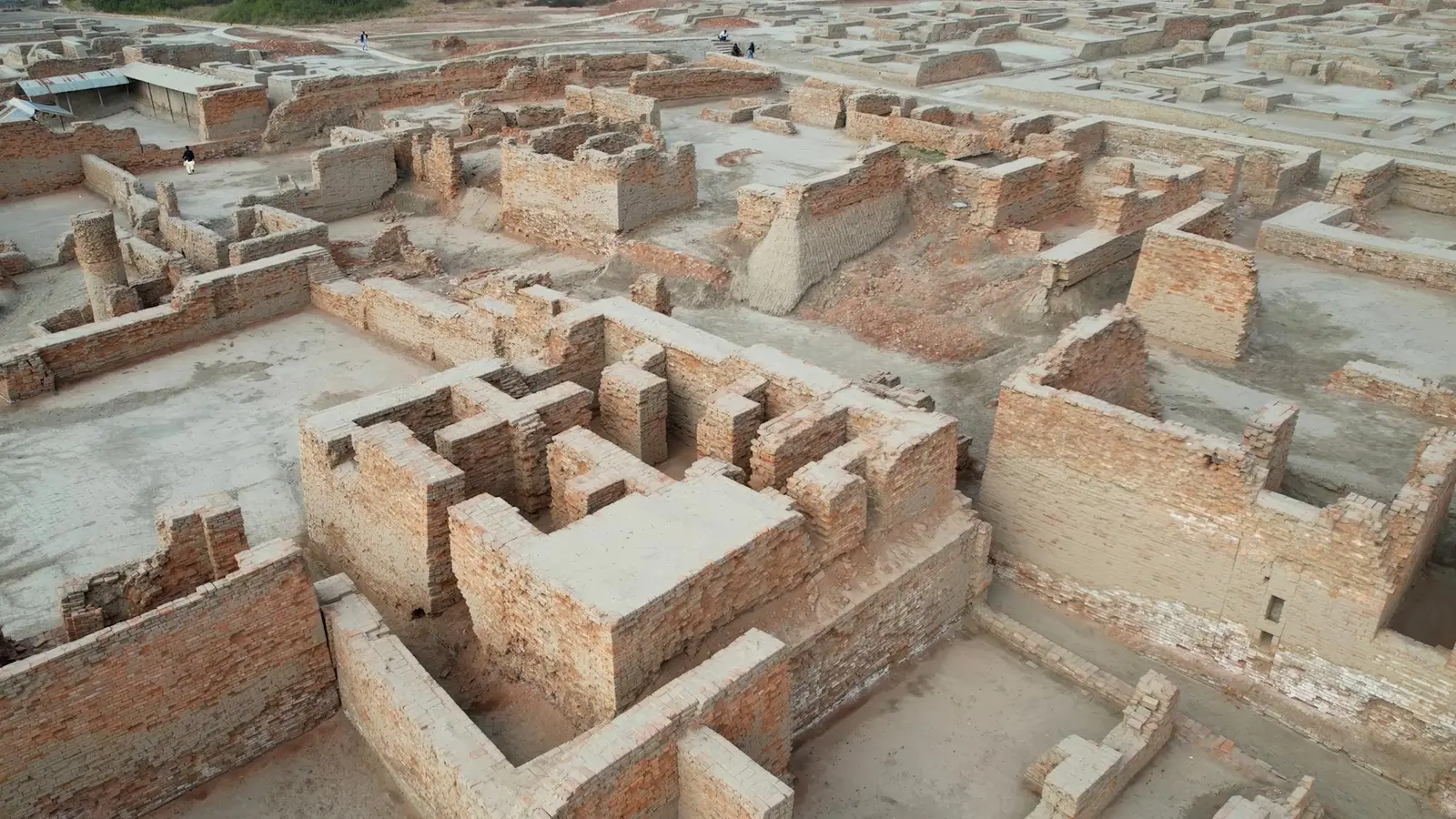
Imagine a city where the hum of communal drains mattered more than the clatter of crowns. Mohenjo-daro, a 4,000-year-old metropolis of the Indus civilization, often reads like a riddle: no palaces, no gold-filled tombs, almost no obvious signs of concentrated power. Yet it was a hub of craft, trade and urban planning. New research from the University of York gives us a fresher, stranger answer to an old question — how did cities become unequal, and could they choose not to?
Archaeologists examined house sizes across Mohenjo-daro, using long-preserved excavation records as a window into daily life. The metric is simple and telling. Bigger homes usually point to concentrated wealth; smaller homes suggest its absence. What the team found flips conventional expectation. As the city grew, the gap between the largest and smallest domiciles narrowed. Inequality declined. Yes, declined. Over time Mohenjo-daro resembled egalitarian farming villages more than the palatial urban centers of contemporaneous Mesopotamia or the monumental states of Egypt.
The pattern shows up in the everyday objects too. Indus seals, miniature tokens used in trade and administration, appear in ordinary households rather than hoarded in elite compounds. Standardized weights and measures spread across the settlement and beyond, serving markets and craftspeople alike. Streets and brick-lined drains were investments in collective life — not stage props for elite display. The city's infrastructure was not merely practical; it was social glue.

Dr Adam Green of the University of York interprets the evidence as more than absence-of-elites. He argues that Mohenjo-daro's institutions actively distributed access to resources and decision-making. Community-scale maintenance of drainage, shared standards for exchange, and craft knowledge disseminated through neighborhoods meant prosperity had many stewards. Productivity rose while inequality fell. That combination is rare in early urban histories, and it upends the simple story that economic growth inevitably concentrates power.
Why did Mohenjo-daro evolve this way? We can only sketch possibilities. A densely connected trade network may have favored trust and standardization over coercive control. Craft specialization and household-level access to trade tools could have diffused economic opportunities. Local governance, if it existed, may have operated through councils, cooperatives or kin networks rather than monarchs and palaces. The archaeological record is careful with certainties, but the material traces point to collective strategies rather than elite capture.
Comparisons sharpen the novelty. In places like Knossos or the Nile Valley, architecture announces rulers. Massive tombs, sculpted thrones, royal iconography concentrate power in visible places. Mohenjo-daro chose a different language: regulated markets, engineered sanitation, and the ubiquity of commercial seals. Power here was quieter, woven into ordinary life.

The crucial takeaway is that the city’s long-term prosperity appears linked to broad access to resources rather than their enclosure by a few. That insight matters beyond archaeology. It invites fresh questions about how urban institutions shape inequality, and whether the mechanics of ancient cities can inform modern debates about public infrastructure, fair markets and resilient communities.
Mohenjo-daro won’t hand us a blueprint. It does, however, offer a provocative model: sophisticated technology and large-scale productivity need not be the exclusive province of elites. Instead, shared practices, standardized tools, and communal upkeep can sustain both innovation and relative equity. If you listen closely to its ruins, the city seems to ask us one persistent question — what if prosperity depended on sharing, not hoarding?


Leave a Comment
Comments
No comments yet. Be the first.