
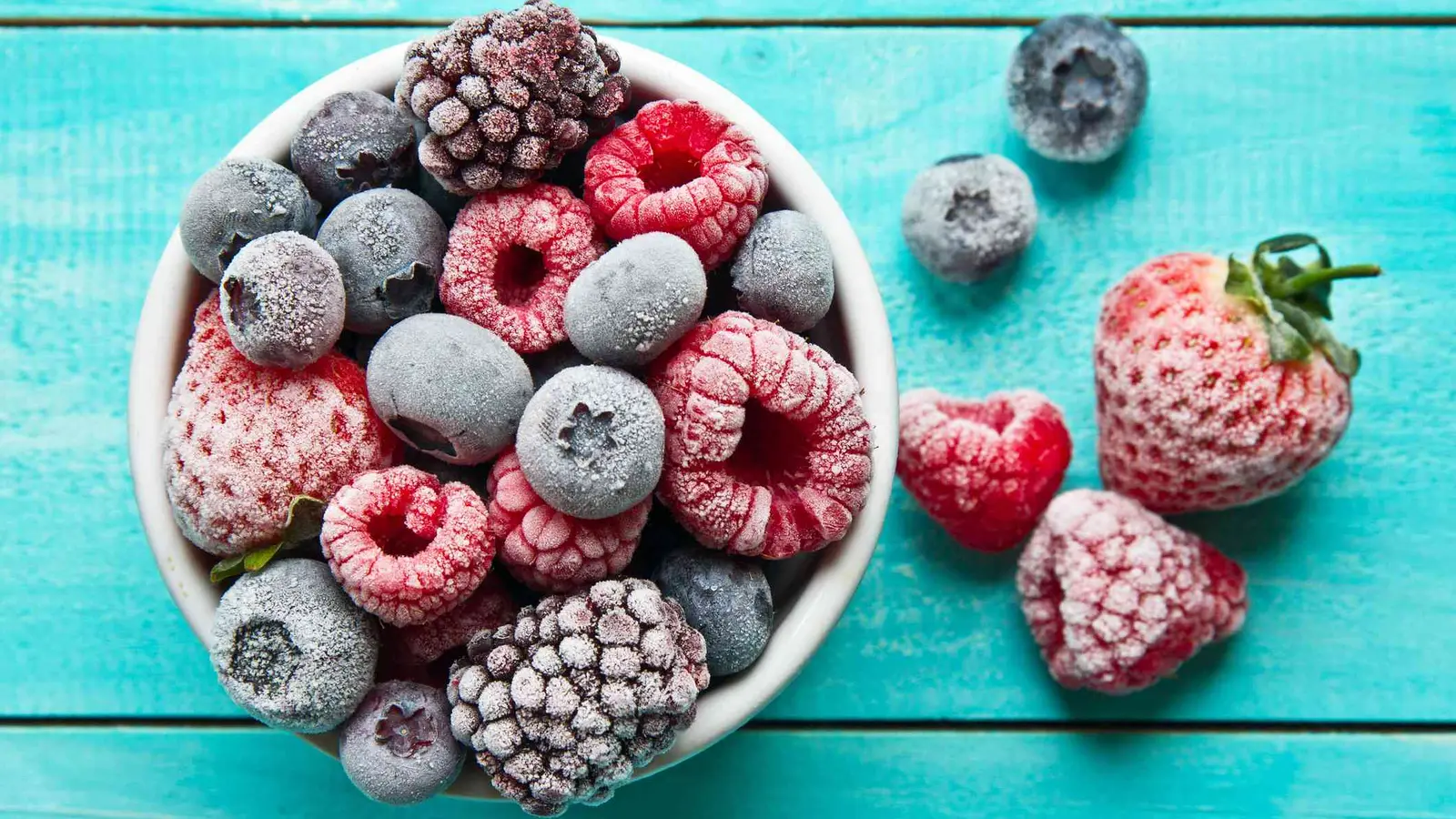
Think fresh always wins? Not necessarily. Walk down any supermarket aisle and you’ll see mountains of perfect-looking produce—then a freezer full of fruits and vegetables that were picked, blanched, and locked in time. Which one really keeps the nutrients? The short answer: often the frozen or canned option.
Here’s why. Fruits and vegetables begin to lose vitamins the moment they’re harvested. Transport, storage and time in the fridge add up. By contrast, industrial freezing usually happens within hours of harvest. That rapid chill preserves vitamins, color and texture. In some cases, preservation can even boost apparent nutrient levels: certain processes conserve or concentrate compounds, so frozen apricots, for example, can show higher vitamin C than fruit that has been sitting on a shelf for days.

Frozen and canned produce can match—and sometimes outdo—fresh in nutrient value, while costing less and lasting longer.
That doesn’t mean preservation is perfect. Blanching and canning expose foods to heat, and water‑soluble vitamins—vitamin C and some B vitamins—are sensitive to that heat. Modern canning methods are gentler and faster than older techniques, reducing losses, but some decline is inevitable. Freezing avoids heat damage; instead it risks ice-crystal formation, which can alter texture and, if items are thawed and refrozen, allow nutrients to break down and bacteria to grow.
Safety questions pop up too. Listeria can survive low temperatures, so frozen items that are eaten raw may carry risk. Cooking reduces that risk. Canned foods are sterilized to be shelf-stable, but the trade-offs are added salt or sugar in many commercial varieties. Read labels. Choose "no added salt" or "packed in juice" instead of syrup. Rinse canned beans and vegetables to strip excess sodium.
What about portions? A simple rule of thumb works across many national guidelines: a half-cup of frozen vegetables or a cup of most canned fruits counts as a serving. Beans, lentils and other legumes—tinned or dried—are hearty, affordable ways to boost fiber and protein in meals. Dried beans are cheaper still, but they demand planning: soaking and longer cooking times or quick-soak methods.
Practicality matters. Frozen peas, spinach or edamame can be tossed straight into a stir-fry in the final minutes. A tin of chickpeas transforms pasta or salad into a filling meal in seconds. Canned peaches stirred into yogurt, or frozen mango in a smoothie, deliver convenience without big losses in nutrition. The result: less food waste and more consistent access to produce year-round, regardless of season.
So should you stop buying fresh? Not at all. When you can source locally picked produce that reaches your plate within hours, fresh is wonderful. But fresh isn’t the only way to eat well. Budget, seasonality, storage space and time all shape food choices. If the goal is to eat more fruit and vegetables, frozen and canned options are powerful allies that help bridge gaps—without sacrificing much of what matters most.
Next time you reach for a peach, consider the shelf it came from. Your nutrition—and your wallet—might thank you.


Leave a Comment
Comments
No comments yet. Be the first.