
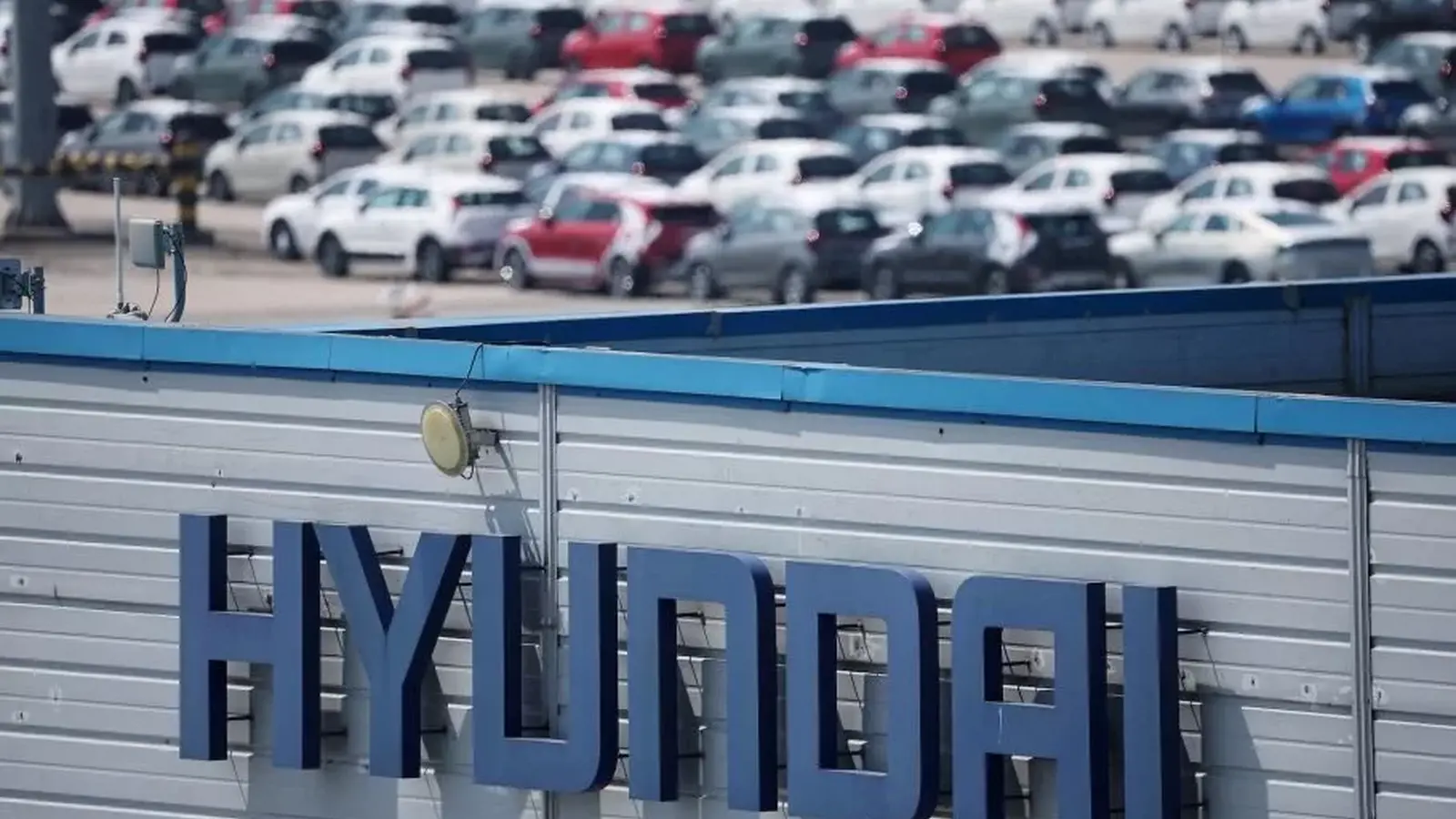
Thousands of Hyundai employees vote to strike over robot rollout
Thousands of Hyundai factory workers in South Korea have voted to launch a strike, escalating a high-stakes dispute over the automaker’s plans to introduce humanoid robots and broader AI-driven automation across its production network. Members of the Korean Metalworkers’ Union say they fear being displaced by advanced robots and want a formal say before any new automation is deployed.
The union’s demands include the right to consultation on automation projects and a one-time performance bonus worth roughly one-third of Hyundai’s annual profit — an amount that would equate to about $27,000 per worker if applied across the company’s roughly 73,000 employees. The Financial Times reports that viral videos showing highly capable robots have intensified anxiety on the shop floor, heightening concerns about long-term job security.
What triggered the unrest
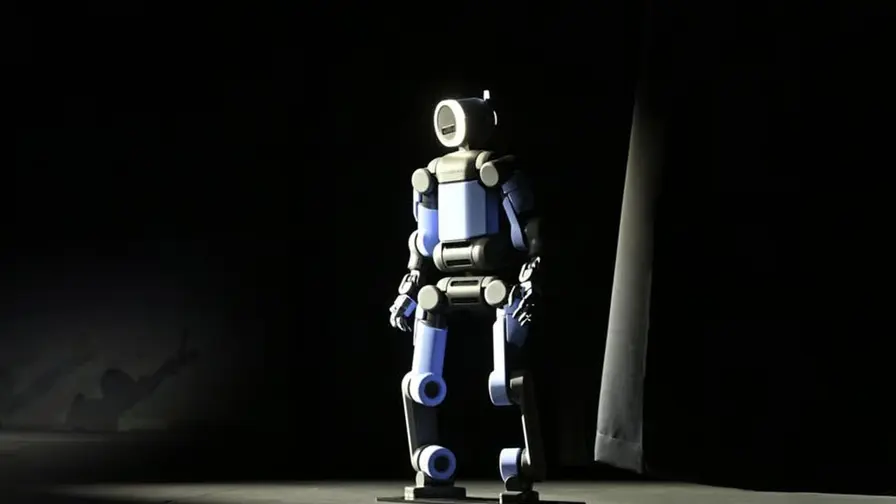
Hyundai announced in January that it plans to deploy Boston Dynamics’ humanoid Atlas robots at its Georgia assembly plant by 2028. Management has publicly reiterated that robots are intended primarily for repetitive, dangerous, or physically demanding tasks that humans typically avoid. However, union leaders say that such large-scale automation will trigger major job shocks and undermine livelihoods unless workers are involved in planning.

Executives have gone further in investor briefings, outlining ambitions to field more than 25,000 humanoid robots across manufacturing facilities — a move that signals a dramatic shift in manufacturing strategy and raises questions about labor relations at a time when the automotive industry is already undergoing major transformation toward electrification and smart factories.
Key demands and context
- Formal consultation rights before deploying AI and automation
- A substantial performance bonus tied to Hyundai’s profits
- Job protection measures and retraining programs
These demands are not occurring in a vacuum. Rival South Korean firms such as Samsung have recently distributed large bonuses tied to AI-driven profits, fueling comparisons and expectations among industrial workers. Videos demonstrating robotic dexterity and rapid advances in machine learning have amplified fear that jobs on vehicle assembly lines and component production could be at risk.
Implications for production, EVs and the wider market
For car enthusiasts and industry watchers, the dispute highlights a tension between productivity gains and workforce stability. Automation can lower manufacturing costs and improve consistency — benefits that may accelerate the rollout of electric vehicle (EV) lines and next-generation production techniques. Yet labor stoppages or prolonged negotiations could disrupt supply chains, delay model launches, and impact output for Hyundai’s internal-combustion and EV manufacturing pipelines.
Market observers will be watching how Hyundai balances investor expectations for efficiency with the need to manage industrial relations. The outcome could set a precedent for how legacy automakers integrate humanoid robots into assembly lines without igniting similar disputes elsewhere.
"This is as much about the future of work as it is about robots," a union representative said, reflecting workers’ uneasy mix of concern and determination. Whether Hyundai and its workforce can find common ground will influence not only manufacturing floors but the pace of innovation across the global automotive sector.

Leave a Comment
Comments
No comments yet. Be the first.