
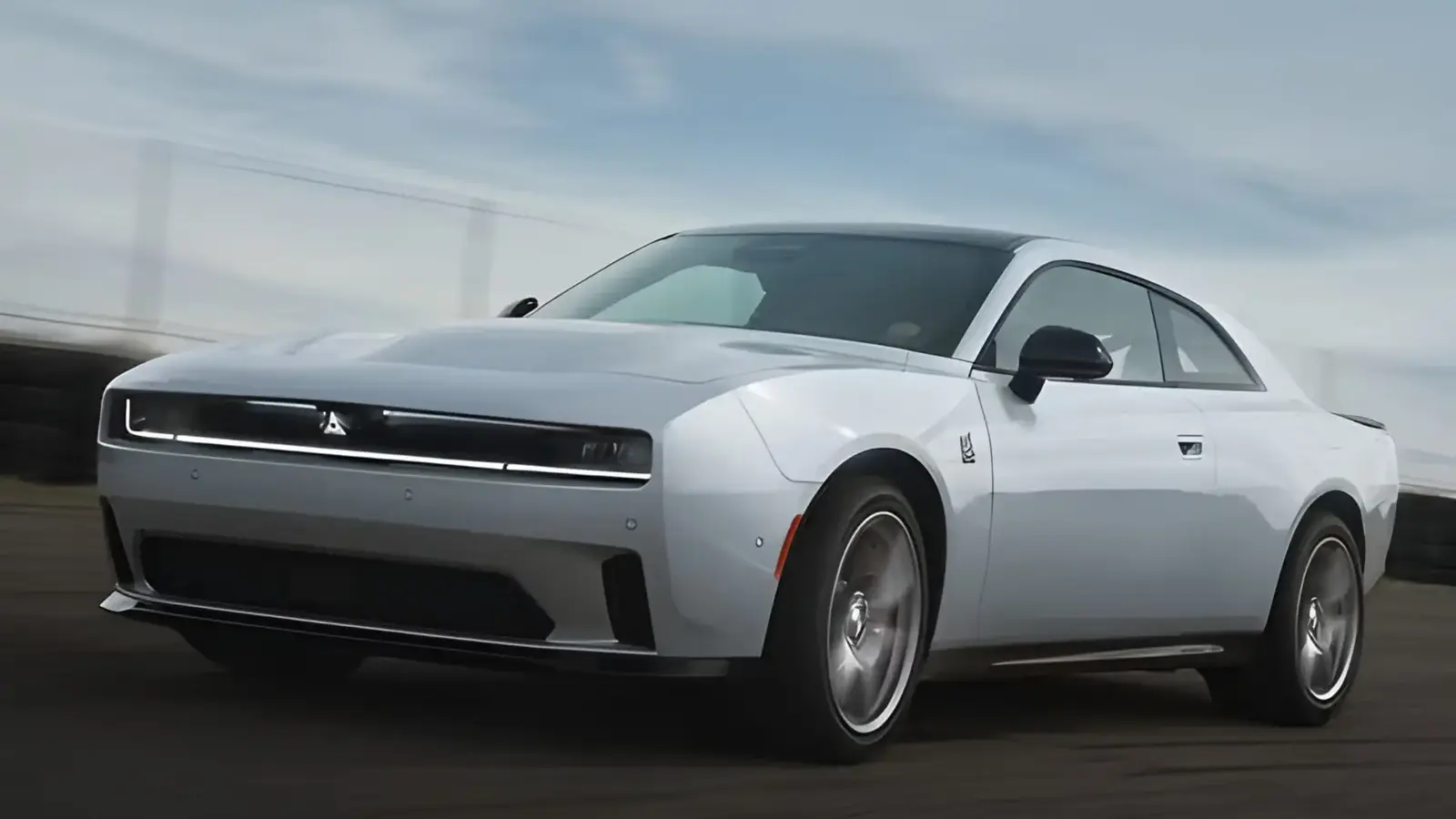
Stellantis has registered a patent for a system that can physically detach and eject a damaged traction battery from an electric vehicle when overheating or fire risk is detected. The company’s filing describes a mechanism meant to remove the battery as the heat source while occupants remain in the cabin.
How the patented ejection system would work
The patent outlines a multi-step sequence. On activation, the system first opens or disconnects the high-voltage circuit to isolate electrical energy. Mechanical release methods described include a sliding rail to lower and release the pack or the use of explosive-style fastener separations to expel the battery onto the road surface.
Stellantis’s filing says the driver can trigger the emergency sequence using one of several controls:
- a physical key
- a mechanical lever
- a touchscreen option
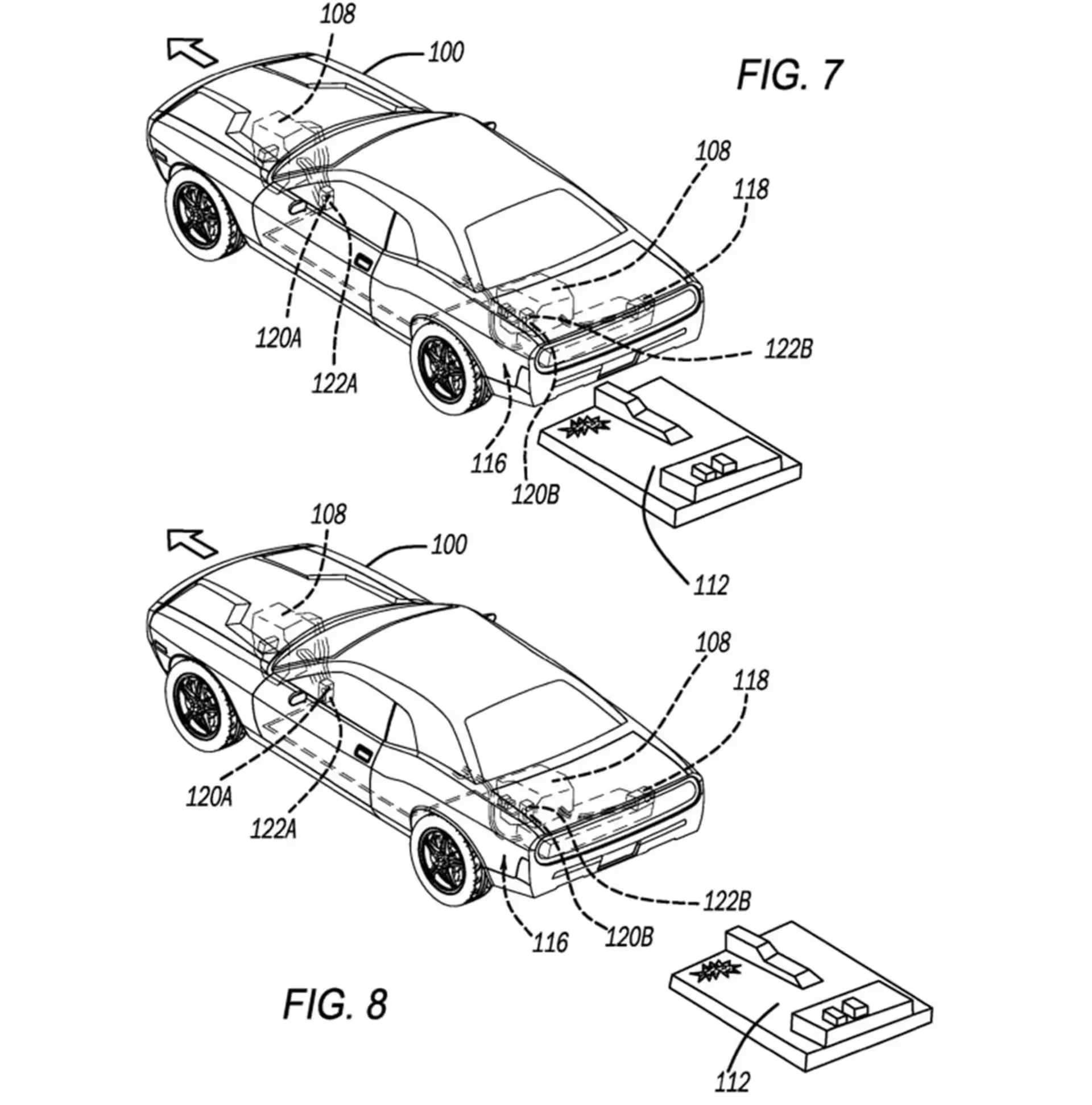
After the main pack is released, a secondary low-voltage battery is intended to provide short-term motive power so the driver can move the vehicle a few meters away from the discharged or burning pack.
Safety, engineering and deployment challenges
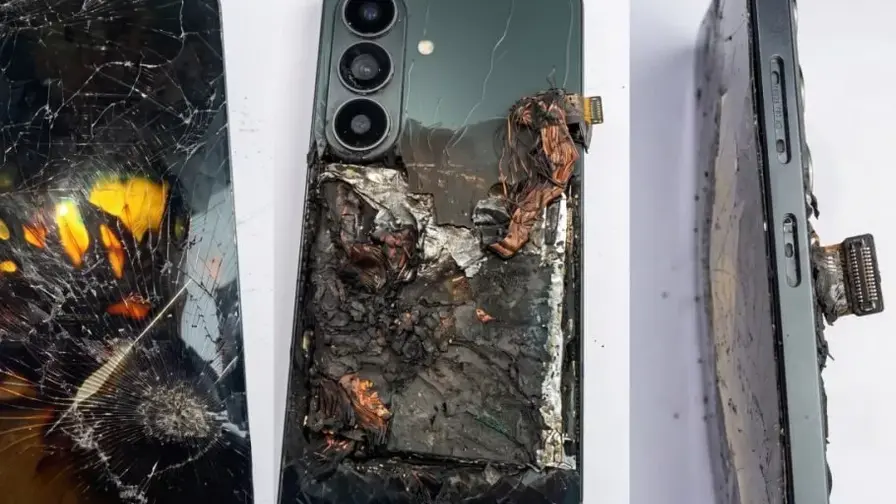
The patent cites thermal runaway in lithium-ion cells, a phenomenon that can rapidly raise cell temperatures and produce fires that are difficult to extinguish. The inventors note that separating the heat source from the vehicle body before flames spread could reduce risk to occupants and to the remainder of the vehicle.
At the same time, the filing acknowledges significant practical and safety concerns: a released, potentially burning or hazardous battery left on a roadway could endanger other traffic, complicate emergency response, and present environmental hazards. The existence of a registered patent does not guarantee that Stellantis will introduce the system in production vehicles.

Leave a Comment
Comments
No comments yet. Be the first.