
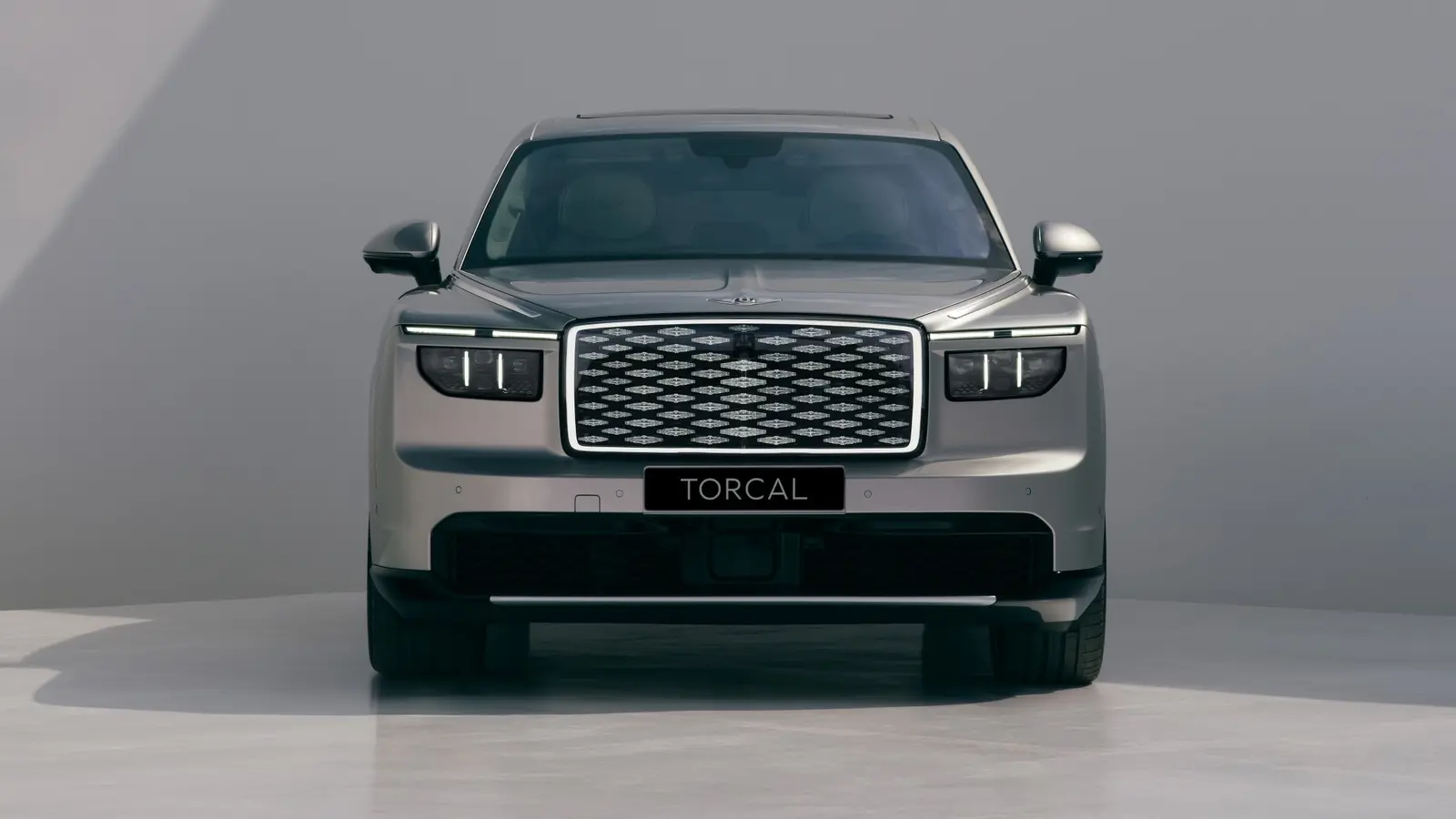
Bentley says it will not set another fixed date for a complete switch to battery electric vehicles, and it does not expect to introduce a second battery-electric model until after 2030. Speaking to Autocar at the Torcal's debut event in London, Bentley board member Frank-Steffen Walliser said the company has abandoned decade-long roadmaps and is moving to a more flexible approach because regulatory requirements change frequently.
Production strategy and timing
At Crewe, Bentley is retooling its production complex so electric vehicles and plug-in hybrids can be assembled on the same line. The idea is to allow output to shift toward the powertrains customers order and those regulators permit at scale. Development cycles are already shortening: Bentley says time to develop a new model has fallen to 48 months with a target of 36 months, aligning the company’s pace with Volkswagen.
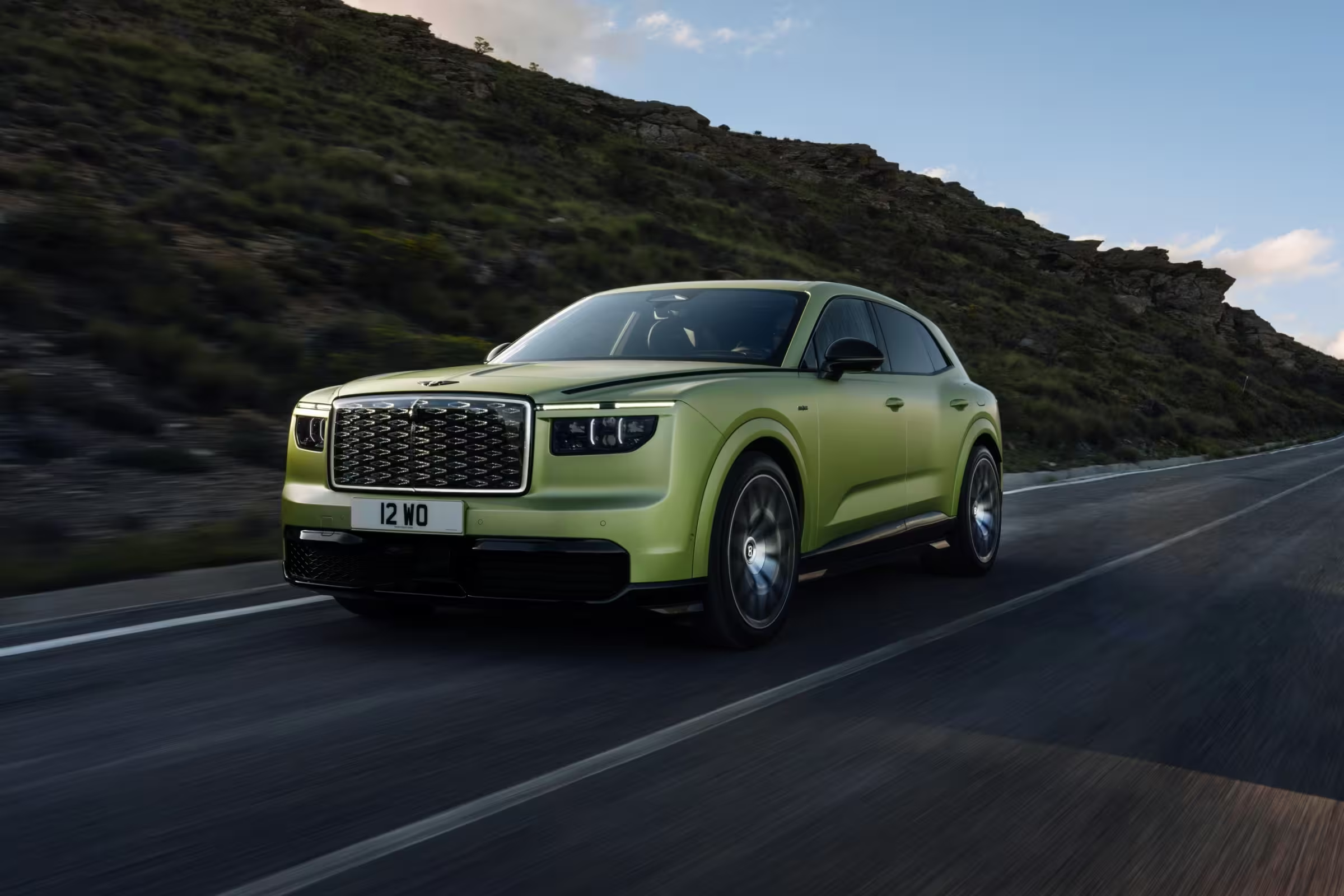
Walliser told Autocar that waning demand for ultra-luxury electric cars and a relaxation in rules for internal combustion vehicles prompted Bentley to postpone the Torcal’s original timetable. The model, Bentley’s first electric vehicle and its most powerful series-production car to date, was originally due in 2025. The company also shelved plans to phase out combustion models and started work on a new family of plug-in hybrids, though it treats the Torcal as a long-term BEV programme rather than a stopgap.
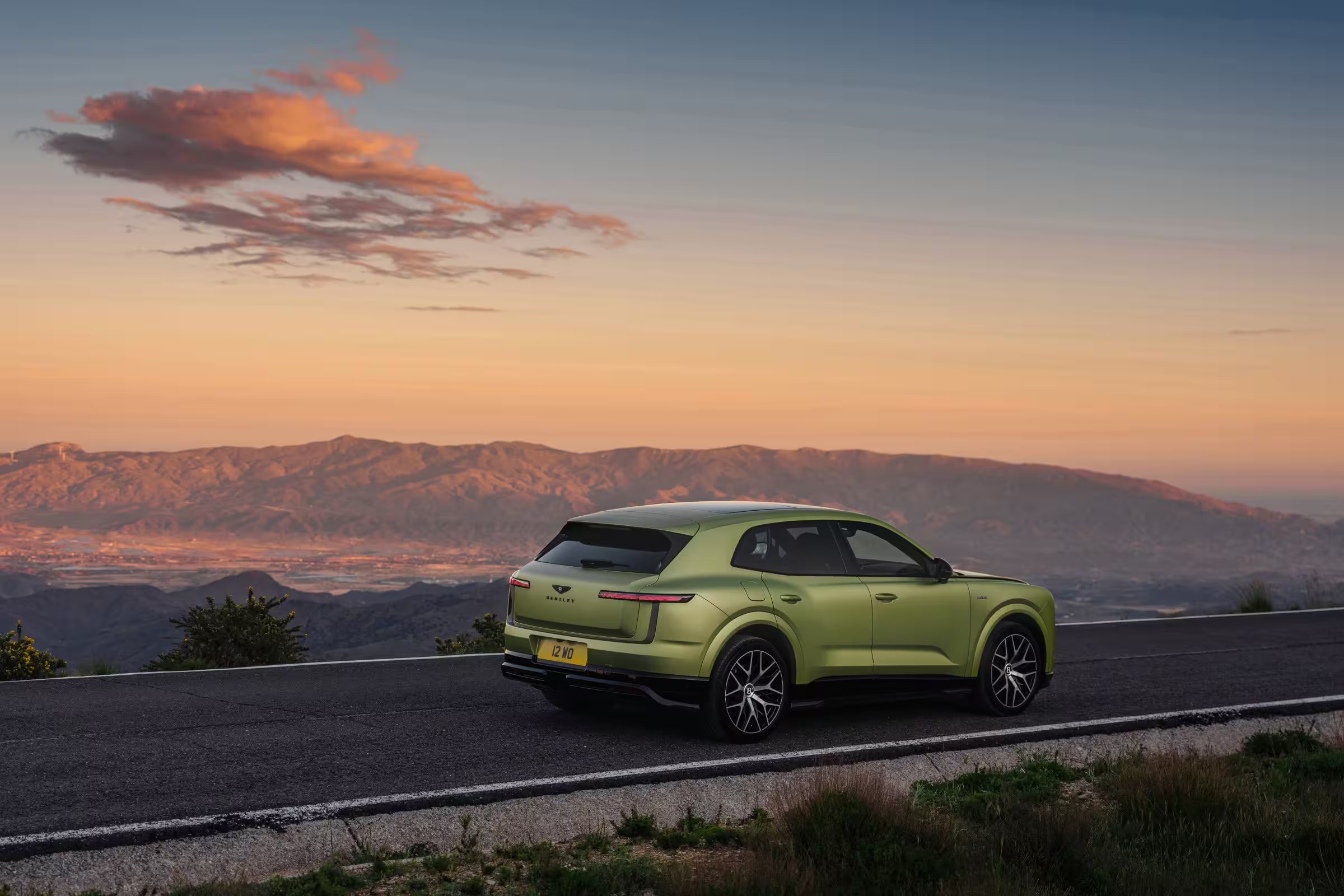
Torcal specifications and limitations
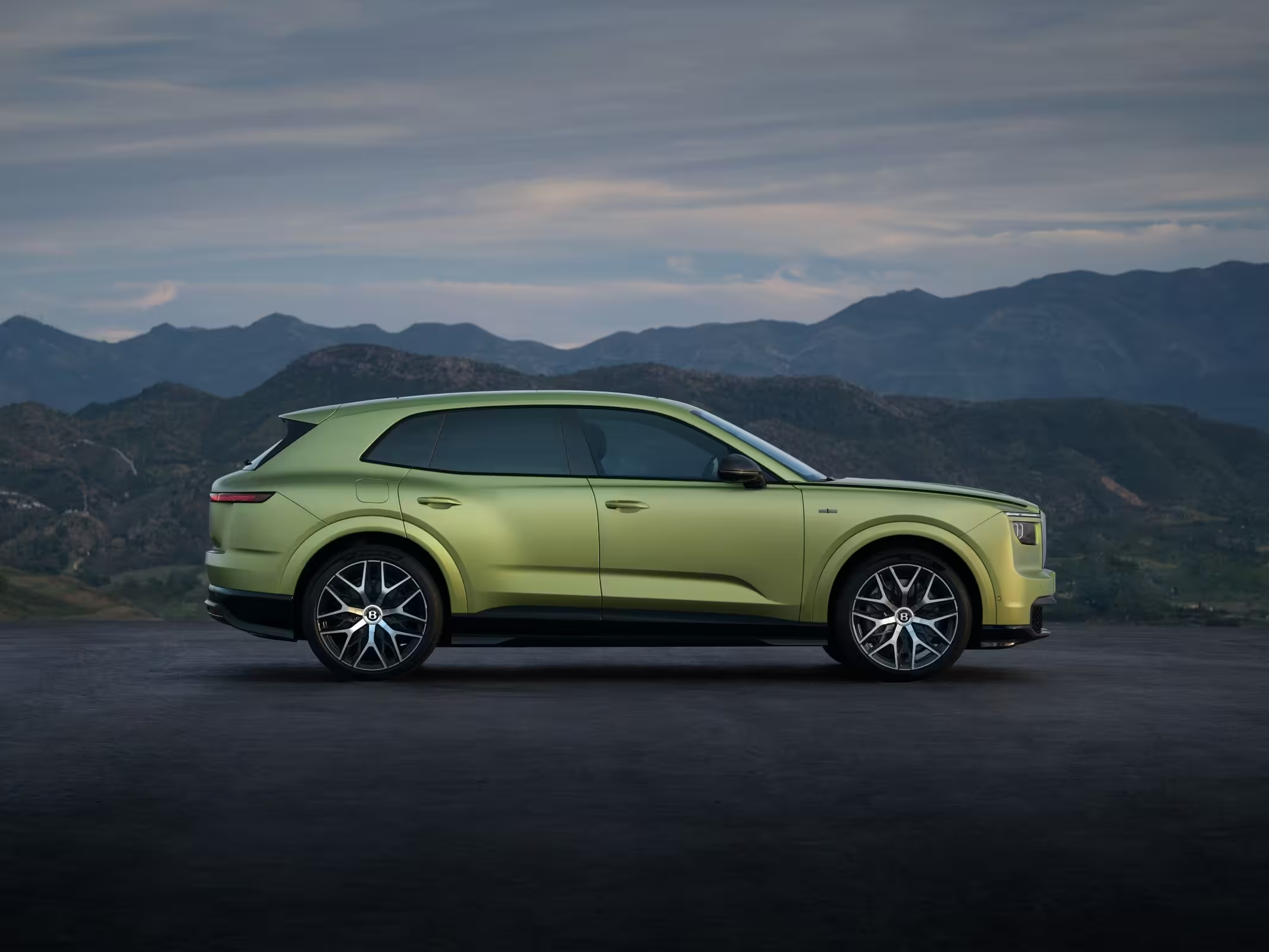
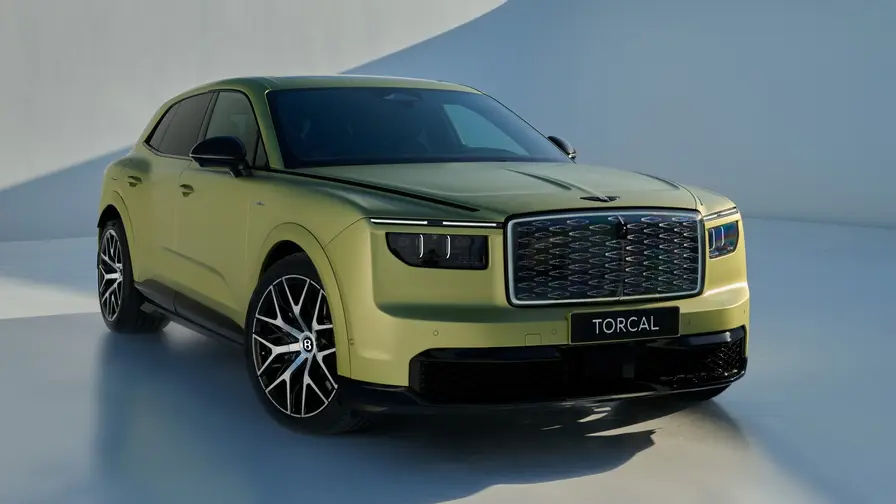
The Torcal sits on Volkswagen Group’s Premium Platform Electric used by the Porsche Cayenne Electric. It shares the Cayenne Electric wheelbase but is 4.7 inches (120 millimetres) shorter than the Bentayga, sits lower and presents a flatter roofline. Bentley confirms the Torcal was engineered from day one as a battery-electric vehicle and is not compatible with a hybrid powertrain; a hybrid Torcal would also risk overlapping the Bentayga range.
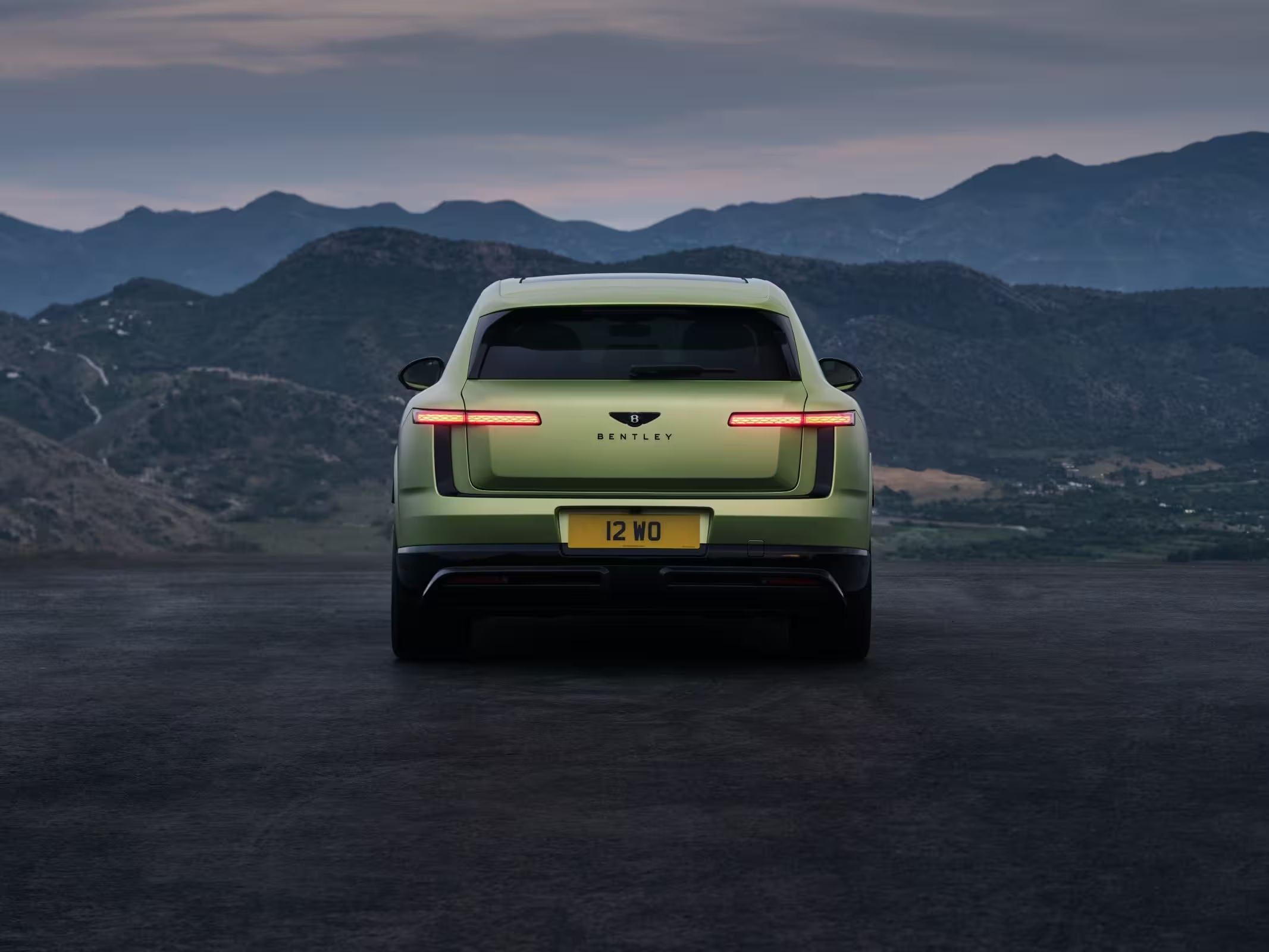
The S variant produces 888 PS (876 hp) and 1,350 Nm (996 lb-ft) of torque with launch control engaged. Bentley quotes a 0 to 60 miles per hour (0 to 97 kilometres per hour) time of 2.8 seconds and a top speed of 162 miles per hour (260 kilometres per hour). Both Torcal models use a 113 kWh battery built from 192 pouch cells, employ an 800-volt electrical architecture and support up to 400 kW peak charging. Under optimal conditions the WLTP range tops 600 kilometres (375 miles).
No additional Bentley battery-electric vehicles are expected before 2030. When the company does introduce further BEVs they will use the Volkswagen Group’s Scalable Systems Platform. Bentley and the group say development of SSP has been delayed by software challenges, a redesign to a 48-volt low-voltage architecture, integration work related to the Rivian joint venture and significant cost pressures. As a result, Bentley will continue producing combustion and electrified models into the next decade; Walliser noted that other marques in the ultra-luxury segment, including Rolls-Royce, have also adjusted earlier EV-only timelines.
Bentley will continue selling combustion and hybrid models alongside the Torcal and does not expect another new Bentley battery-electric model until after 2030.

Leave a Comment
Comments
No comments yet. Be the first.