
2 Minutes
Joby Aviation completed the first fully autonomous coast-to-coast flight in the United States, covering 5,148 km without pilot intervention, the company said on 18 September 2026.
The flight began on 7 September 2026 from California and reached its planned terminus in North Carolina on 14 September 2026. Joby described the mission as a multi-leg demonstration of its J208 autonomous system, run under an FAA experimental airworthiness permit.
Platform, permissions and purpose
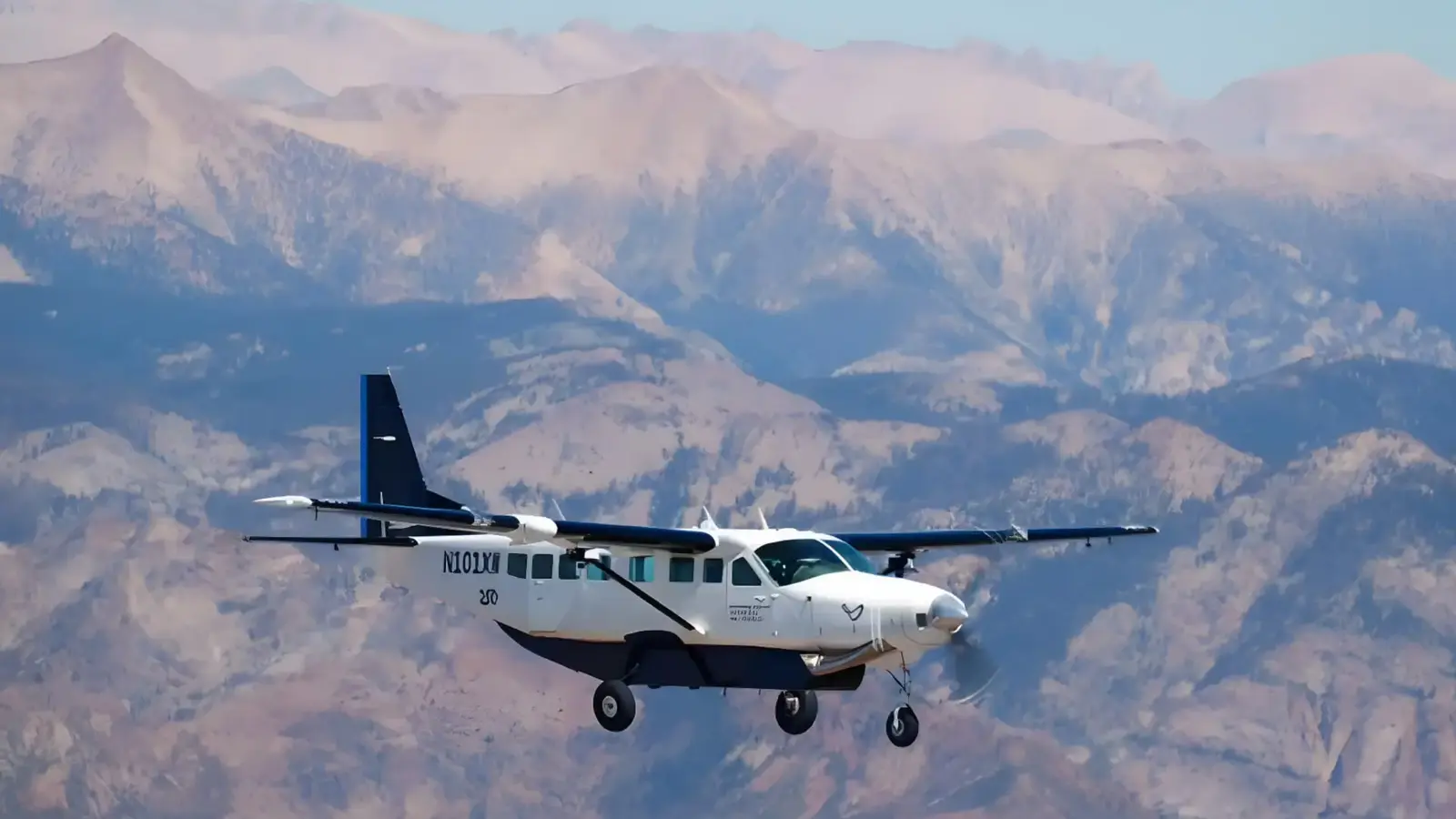
Rather than flying a purpose-built eVTOL prototype, Joby installed the J208 suite on a production Cessna 208B Grand Caravan turboprop. The company said this approach avoided delays tied to eVTOL flight approvals and showed the self-piloting technology can be integrated into a certified airframe. The aim was to validate autonomy across real-world tasks including navigation in busy general aviation airspace, interaction with air traffic control, and automated cargo and military logistics handling.
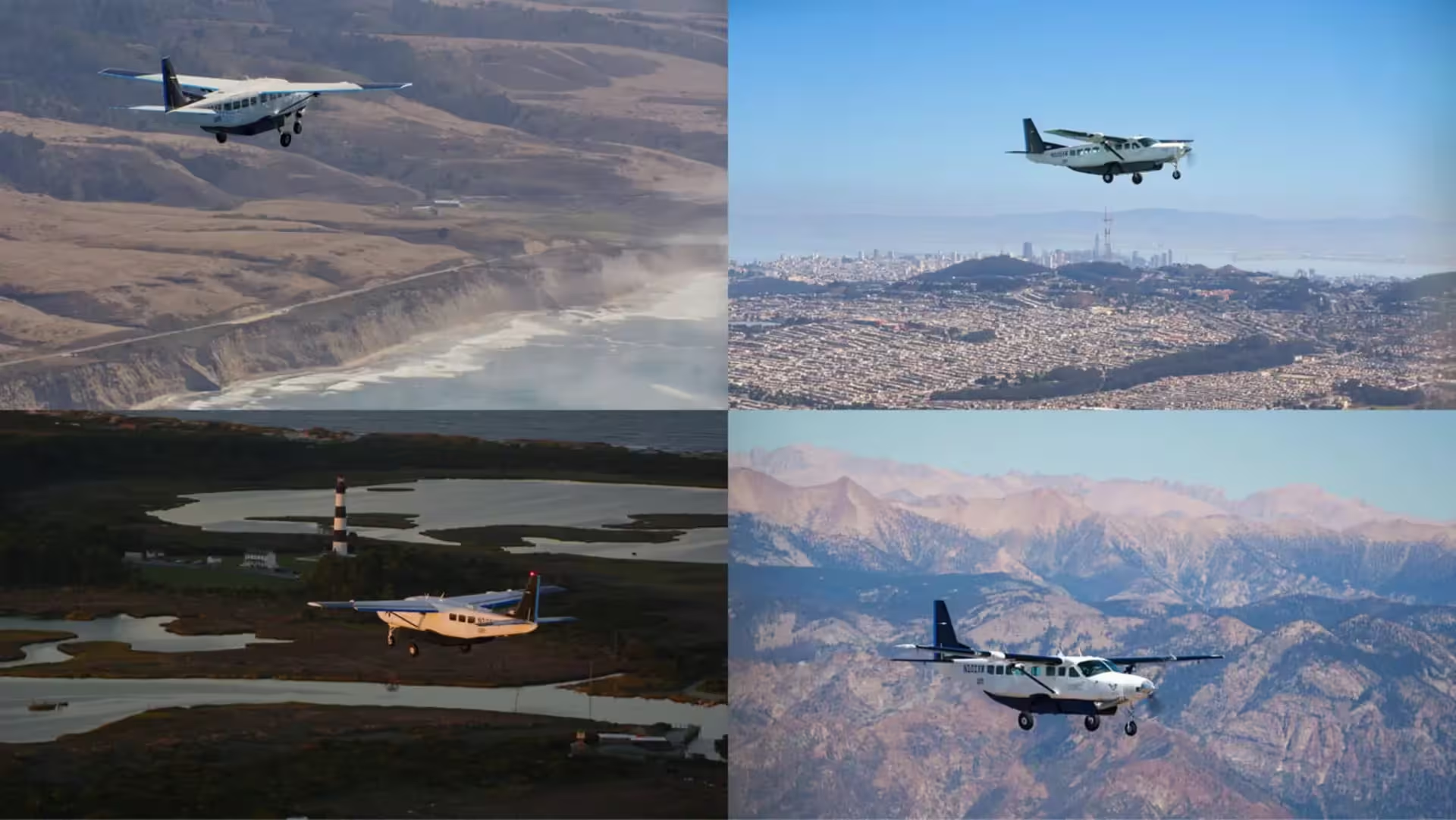
Planned stops included Phoenix, Arizona; Fort Worth Alliance, Texas; and Shaw Air Force Base, South Carolina. Each leg was used to assess different capabilities such as ATC coordination and operations in dense traffic environments.
The instrument suite on the test aircraft combined radar, optical cameras, lidar, dynamic obstacle-avoidance software and rerouting algorithms designed to cope with adverse weather. Joby said taxi, takeoff, cruise and landing phases were performed entirely by the J208 system. In line with FAA rules a safety pilot remained in the cabin to monitor the flight.
Ground support teams in Joby’s California autonomous operations center and at Shaw monitored the aircraft via satellite telemetry, tracking it beyond visual line of sight to a range of 3,738 km.
.avif "Toyota-Backed Joby eVTOL to Showcase Electric Air Taxi at EXPO 2025 Osaka")

Leave a Comment
Comments
No comments yet. Be the first.