
3 Minutes
Hyundai chief executive Jose Munoz told Reuters that developments in Europe should serve as a warning for US policymakers considering how to handle Chinese automakers. He said Chinese brands are entering markets such as France, Italy and Spain with prices roughly 30 to 40 percent below equivalent Western models, a gap that persists despite European Union trade measures including tariffs and minimum pricing commitments.
Munoz, who previously ran Nissan's operations in China, described the European experience as a concrete example of how pricing and rapid technological progress can combine to unsettle established manufacturers. European lawmakers adopted trade restrictions in part because Chinese firms benefit from state support and because incumbents are struggling to match those low retail prices, Reuters reported.
That pricing pressure has translated into market share. Reuters said Chinese brands accounted for nearly a tenth of new vehicle registrations across the EU in the first half of 2026, and reached about 15 percent in the United Kingdom, where trade barriers are fewer. Munoz urged Washington to consider conditions on any wider market access for Chinese automakers and acknowledged that some impact on US producers would be likely if access were granted.
The United States is not in the same position as the post Brexit United Kingdom. Chinese-built electric vehicles face ultra prohibitive tariffs in the US that have effectively blocked direct imports. President Donald Trump has signaled openness to Chinese firms assembling vehicles on American soil provided they employ US workers, a route that would change the dynamics of market access without eliminating competitive pressure.
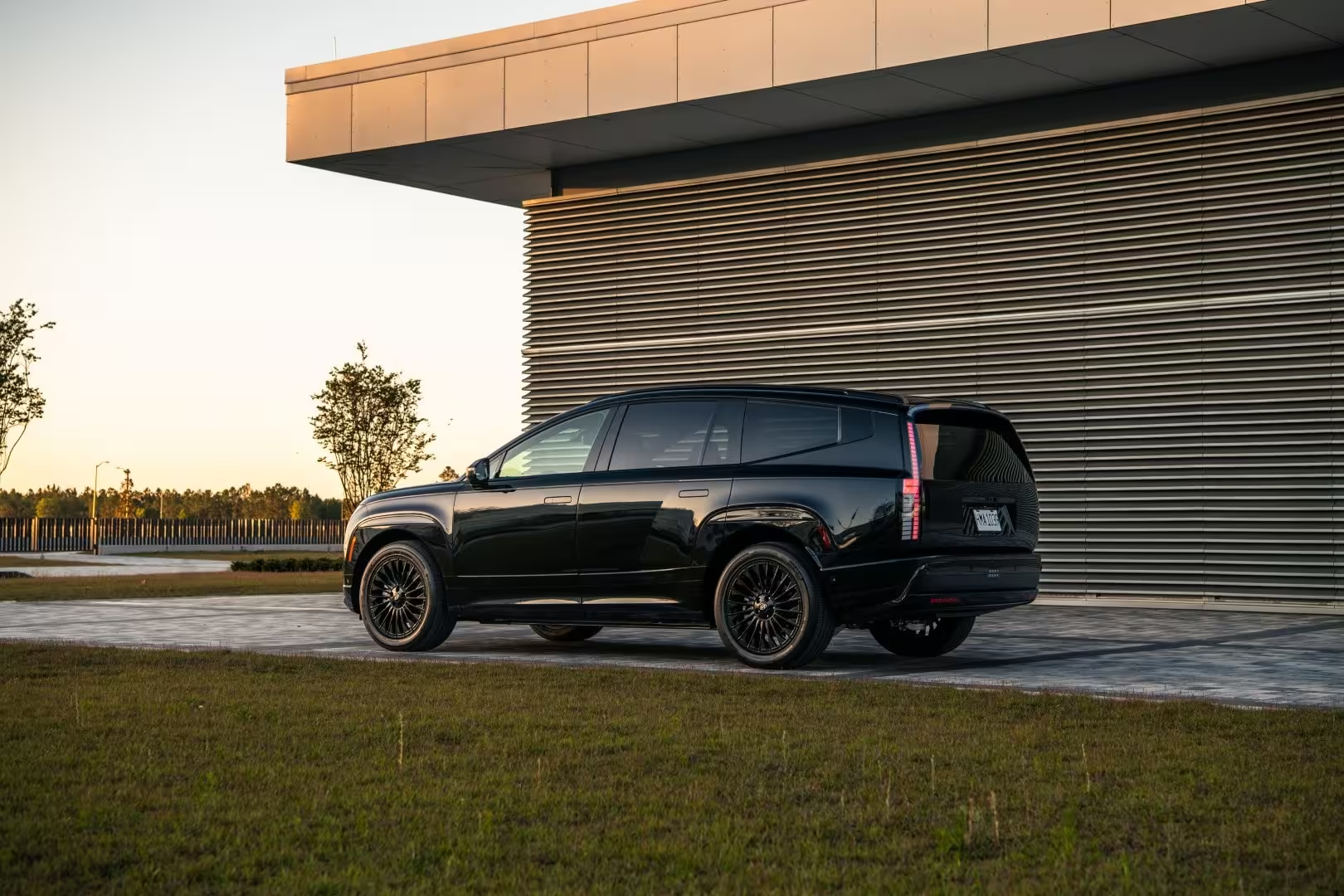
Hyundai's U.S. footprint and the competitive challenge
Hyundai itself is deepening its US manufacturing presence. The company expects its Metaplant facility to reach 500,000 vehicles of annual production capacity, and projects that by 2030 more than 80 percent of the vehicles it sells in the United States may be produced domestically. That localization strategy reflects a broader industry response to potential shifts in global competition.
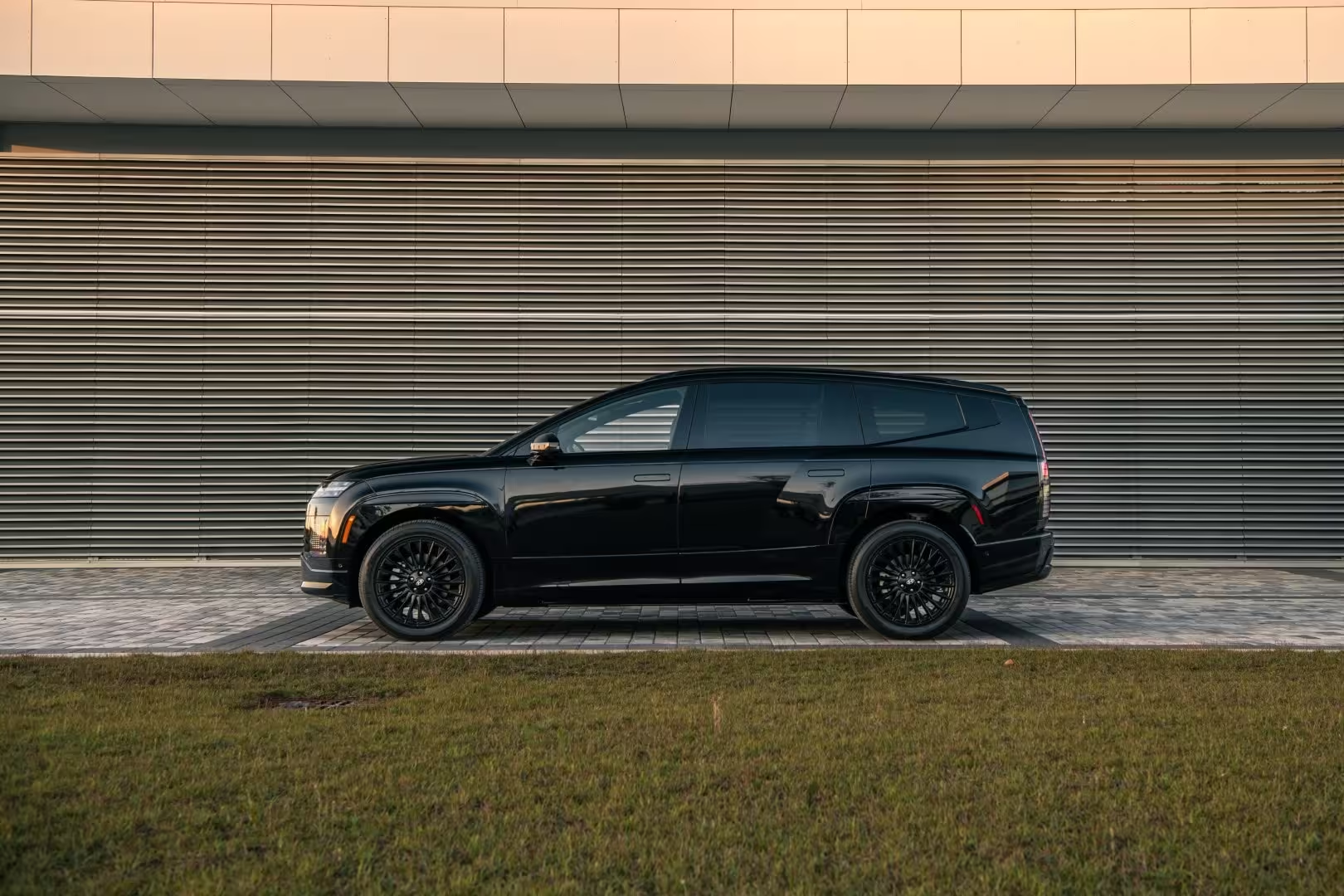
Munoz was careful with his criticism. He praised Chinese automakers for their pace of innovation and technological advances, calling their improvement rapid and their capabilities impressive. His message was not that China cannot be matched, but that the combination of aggressive pricing and fast development presents a distinct competitive challenge for legacy manufacturers.
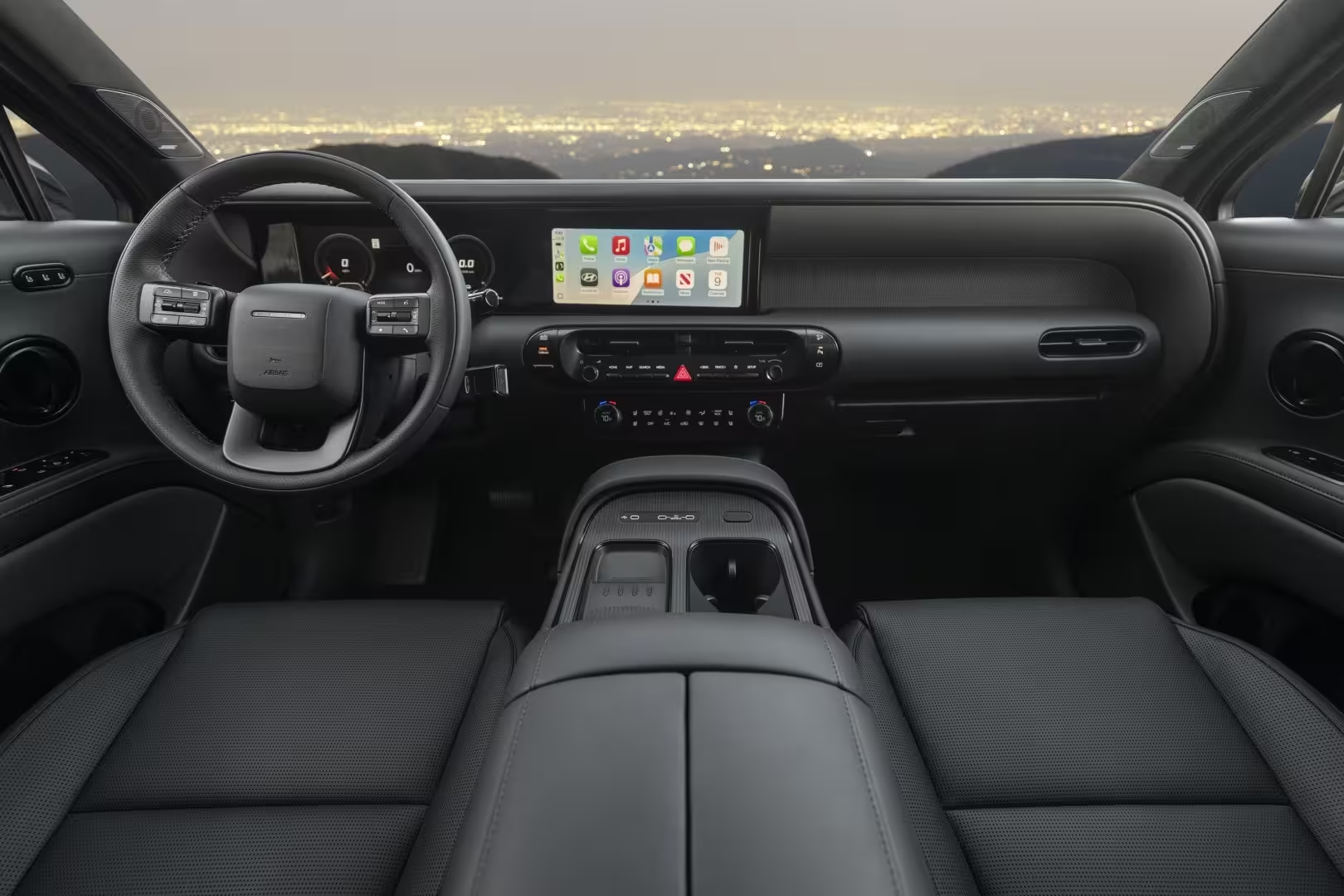
Reuters figures underline the stakes: Chinese brands made up nearly 10 percent of new EU registrations in the first half of 2026, a share that illustrates why Hyundai and other Western automakers are watching Europe closely as a preview of possible changes in the US market.


Leave a Comment
Comments
No comments yet. Be the first.