
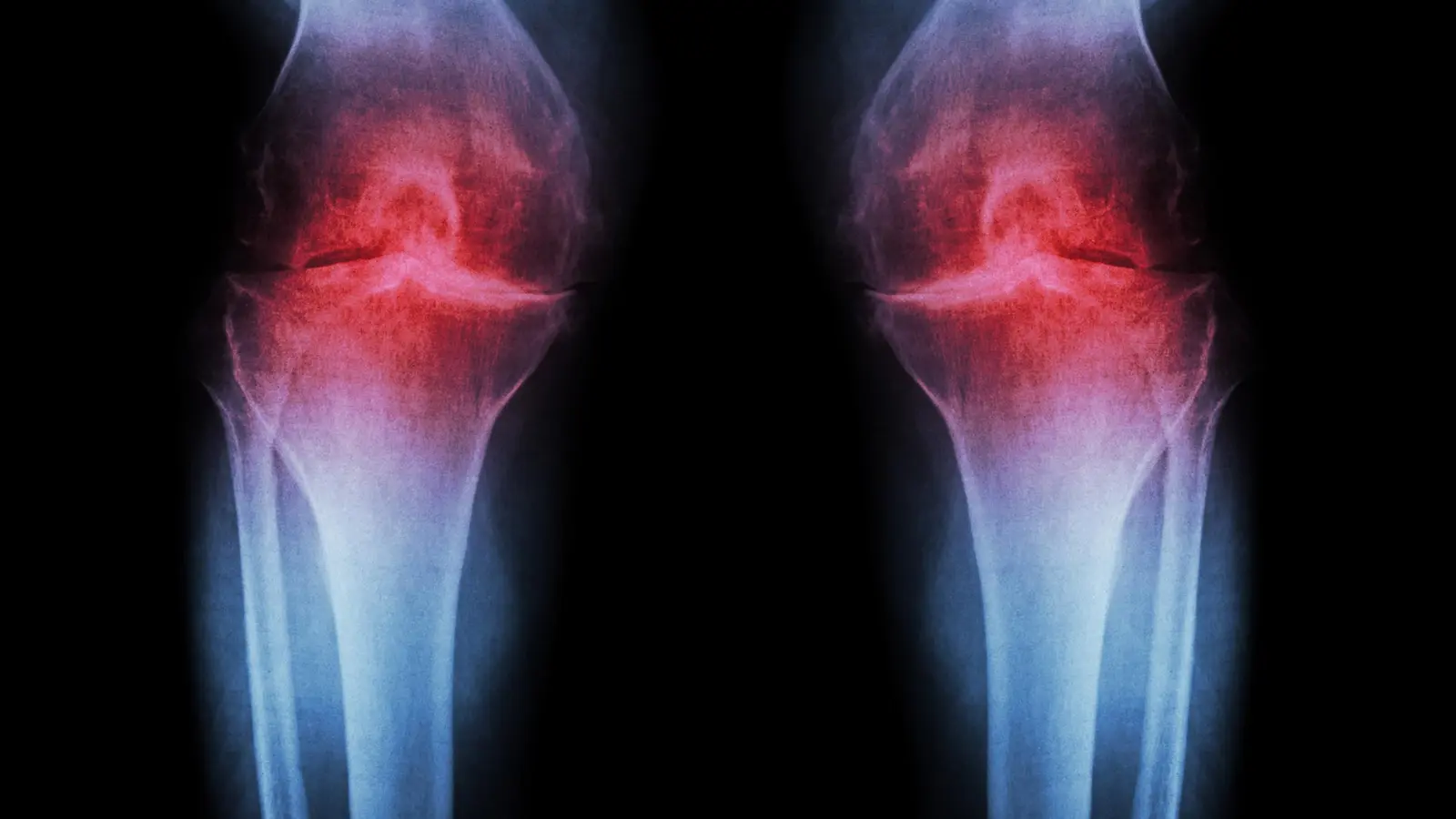
Imagine a gentle pulse undoing years of damage. Strange, but the idea has traction: continuous low‑intensity ultrasound may nudge the immune system out of chronic attack mode and back toward repair in injured joints.
Joint injuries are deceptively durable. The initial trauma can heal, yet the immune response sometimes never flips the switch from inflammation to reconstruction. When that happens, cartilage wears away slowly, and post‑traumatic osteoarthritis—often appearing years after the injury—takes hold. It’s estimated to account for roughly one in eight osteoarthritis cases, a heavy toll on mobility and quality of life.

Researchers at the University of Alabama in Huntsville approached the problem from an unusual angle. Led by Dr. Anuradha Subramanian, a team of engineers, immunologists, mathematicians and computational biologists tested whether a continuous, low‑intensity ultrasound field could reprogram macrophages—the immune cells that decide whether to attack or to heal.
Think of macrophages as switchable crews. One crew—the inflammatory type—clears debris and fights infection. The other—the reparative type—lays down the material needed to rebuild. Left unchecked, the first crew can overstay its welcome, shredding healthy tissue in a skirmish that never ends. The UAH team asked a simple question: can sound coax those cells to change jobs?
They didn’t settle for the usual inflammatory recipes used in lab dishes. Instead, the group exposed cells to fibronectin fragments—molecules released when tissue breaks apart—creating a microenvironment closer to what happens inside an injured joint. That made their experiments feel less like textbook exercises and more like real biology.
To read the cells’ response, the team used transcriptomics, then applied an advanced technique called differential clustering to follow how groups of genes moved together under ultrasound. This wasn’t just about which genes flickered on or off. It was about how entire programs of coordinated activity shifted, revealing deeper changes in cellular behavior.

The results were encouraging. Continuous low‑intensity ultrasound lowered expression of inflammation‑linked markers and boosted signatures tied to reparative, M2‑like macrophage states. In plain terms: the immune cells were more likely to behave like gardeners than defenders, tending damaged tissue instead of battering it.
Why does that matter? Because a noninvasive tool that alters immune choreography could change early treatment after joint trauma. No new drug, no surgery—just targeted mechanical stimulation to encourage healing. Dr. Subramanian and colleagues are careful: these are laboratory results. The next steps are animal models of early post‑traumatic osteoarthritis and long‑term studies to see if ultrasound‑guided modulation translates into preserved cartilage and improved joint function.
There’s also a methodological footprint worth noting. Combining engineering‑style perturbations with high‑resolution gene‑network analysis gives researchers a way to detect subtle but meaningful shifts in immune programs. In other words, the study is as much about a new investigative toolkit as it is about ultrasound itself.
If further work bears out these findings, the clinical picture could change: small, sustained acoustic pulses after an injury might one day become part of how we protect joints and prevent degeneration. That possibility turns a simple physical stimulus into a provocative contender in the fight against arthritis.


Leave a Comment
Comments
No comments yet. Be the first.