
2 Minutes
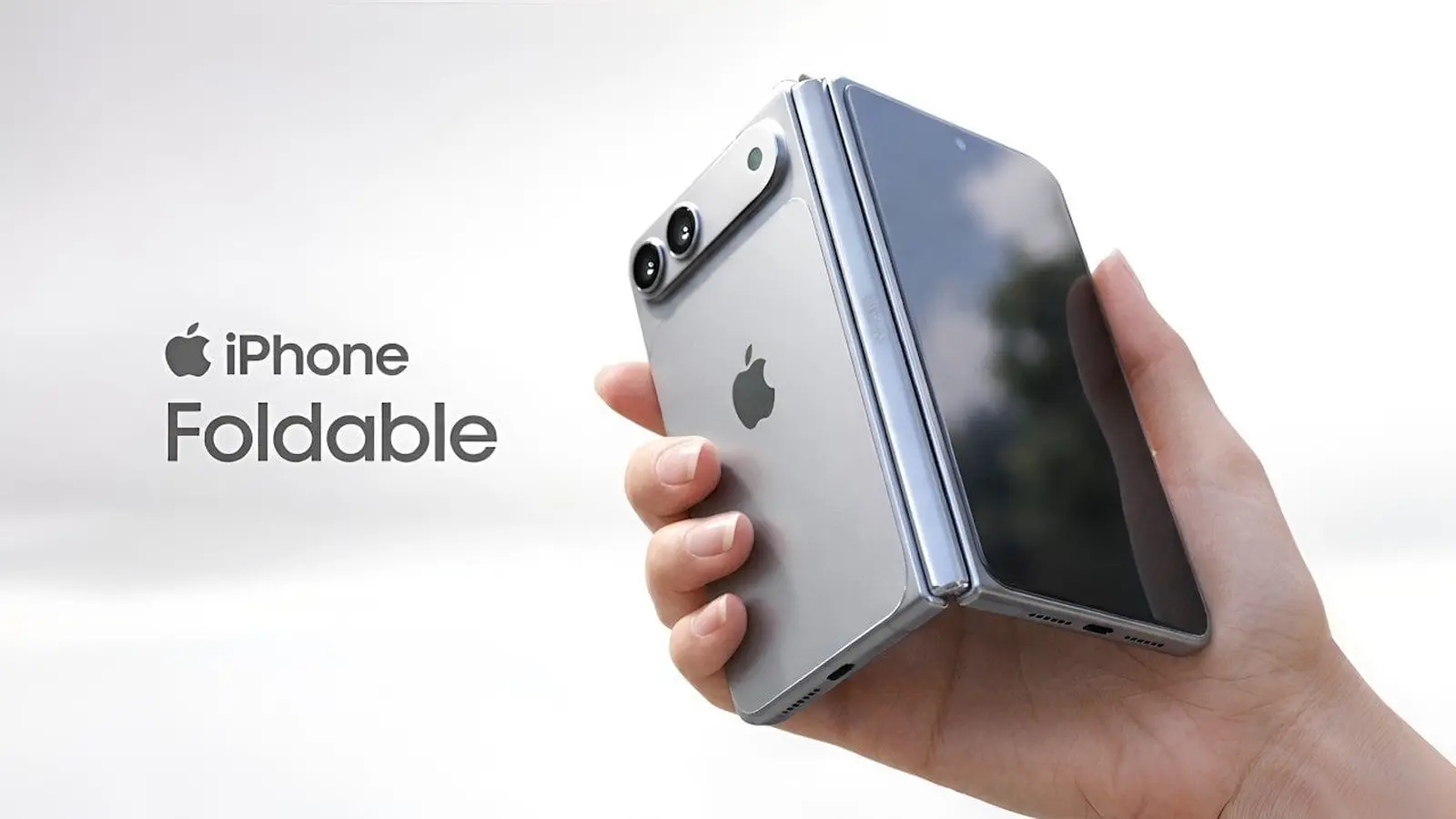
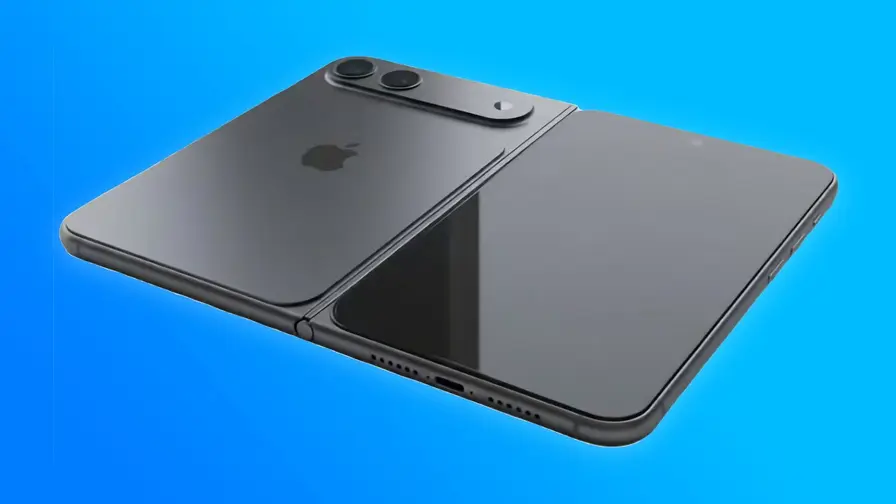
Apple's next halo device could be as elusive as a comet. Announced on Sept. 8, 2026, the iPhone Ultra may arrive cloaked in hype — and short supply.
Esteemed analyst Ming-Chi Kuo lays out a sobering forecast: only 0.5 to 1 million units expected to be assembled in Q3, and roughly 7 to 8 million units for all of 2026. By contrast, the iPhone 18 Pro line is projected to hit 20 to 22 million units by the same quarter. The math suggests a staggered rollout, not a full-scale launch.
Sound familiar? It should. Apple has trod this ground before. Back in 2017 the company unveiled the iPhone X alongside the iPhone 8 but ran headfirst into production bottlenecks. Only about a million X units were assembled in Q3 of that year, and the handset didn't reach buyers until November 3, weeks after its siblings hit shelves.

So why the likely hold-up with the Ultra? Because foldables are fiendishly difficult. A hinge isn't just a hinge; it's an orchestra of materials and tolerances where flexible displays, cover glass and tiny mechanical parts must perform in perfect sync. Yields wobble. Suppliers must chase exacting standards. When Apple insists on near-perfection, factories have to push harder and that can slow everything down.
Scarcity can be a feature, not a bug. Apple has a track record of turning limited supply into desirability. But there are trade-offs. Frustrated buyers, complex carrier rollouts and missed seasonal windows all matter. Rivals that already sell foldables could use the opening to cement their foothold while Apple irons out production kinks.
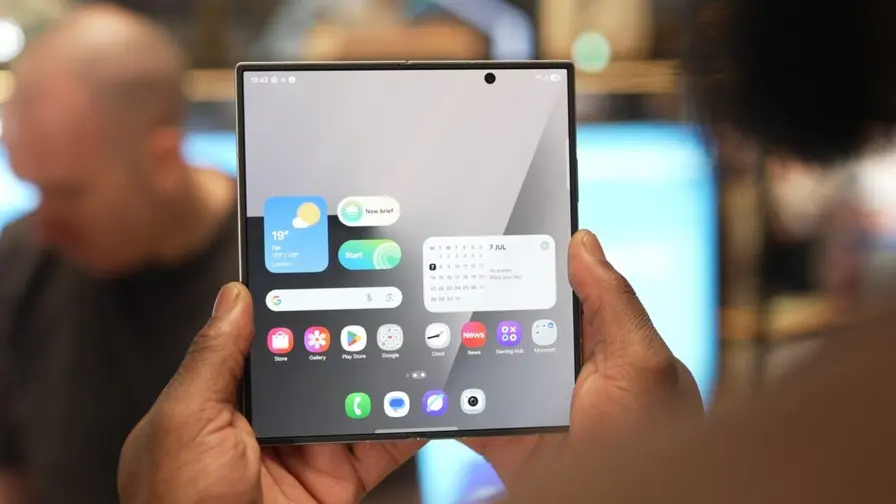
Expect the Ultra to share the stage with the iPhone 18 Pro on announcement day, but don’t be surprised if the bendable model reaches stores later in the year — likely Q4 if history is any guide. For shoppers who want a foldable right now, established Android options remain on shelves. Others may decide to wait for Apple’s version of the form factor.
This is a collision between engineering ambition and market timing. Which will win? The September event will answer one question: what Apple has built. But whether the world gets to buy it quickly, or at all in meaningful numbers, could take months more to reveal.





Leave a Comment
Comments
No comments yet. Be the first.