
2 Minutes
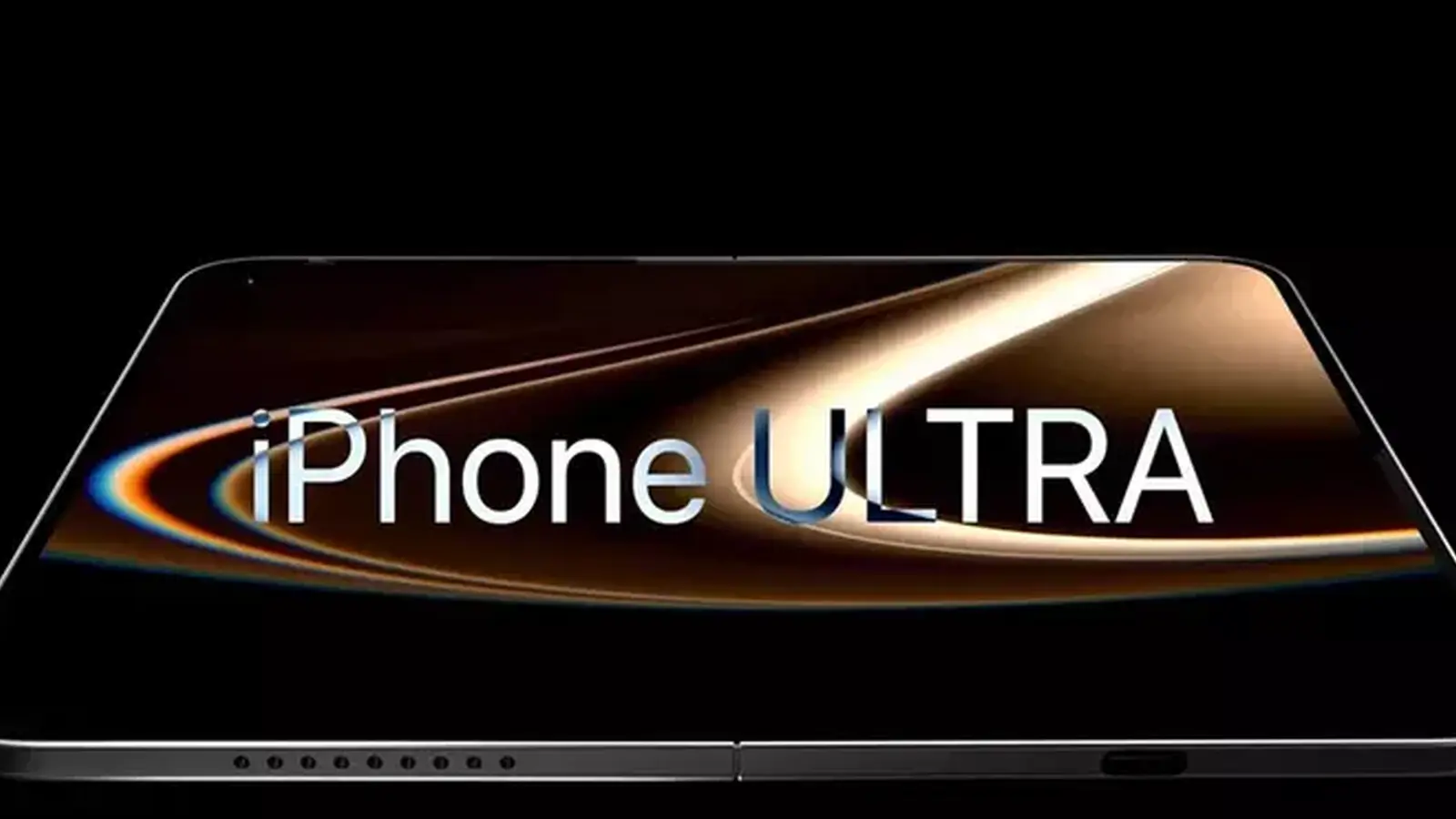
Apple is about to fold its hand — literally. Rumors point to a September reveal alongside the iPhone 18 Pro family, but don’t expect the foldable to arrive on store shelves the same day the event ends. Early whispers now suggest a staggered rollout, with pre-orders delayed and shipments pushed into a later window.
Analyst Ming-Chi Kuo frames the situation bluntly: manufacturing snags are likely to constrain initial supply. Complex panels, a novel hinge, and tight quality tolerances make the iPhone Ultra a tricky device to mass-produce. The result? Limited quantities at launch and a later shipping schedule than Apple’s standard Pro models.
Kuo expects shipments to begin in the fourth quarter of 2026, and Apple may only move a few million units by year’s end.
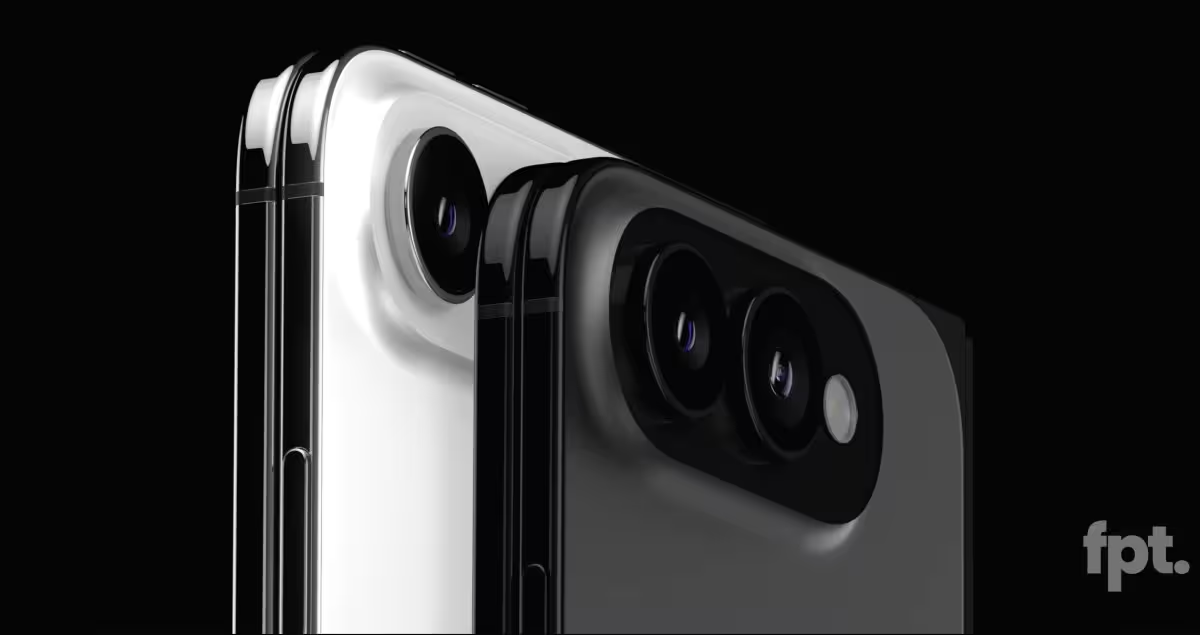
Price will add another layer of drama. The iPhone Ultra is rumored to sit in the $2,300 to $2,500 range — a figure that places it firmly in luxury territory. When scarcity meets such a steep price, demand doesn’t evaporate. It ferments. Kuo even warns of scalpers selling units for 50 to 100 percent above retail. Estimates vary, but the analyst forecasts roughly 7 to 8 million units shipped by the end of 2026, while other reports suggest Apple has pushed its production target toward 10 million.
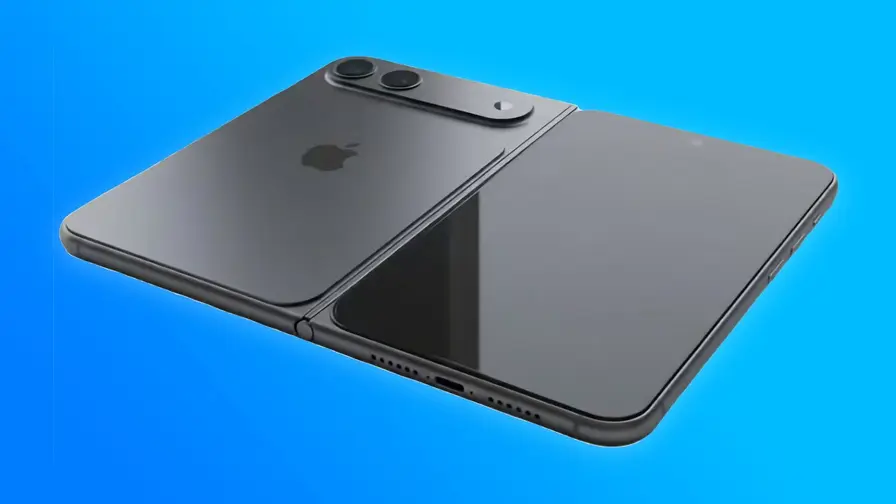
Specs, as far as leaks go, read like a who’s who of modern flagship hardware: a 7.76-inch main display and a 5.49-inch cover screen, Apple’s upcoming A20 Pro chipset under the hood, 12GB of RAM, and a 5,500mAh battery. Ambitious. Impressive. Also precisely the sort of package that complicates production when you multiply delicate flexible glass with advanced internals.
Who buys this first? Enthusiasts, power users, and status buyers will line up. Developers and enterprises may test the form factor. Casual buyers will probably wait for price drops and sturdier supply. The more immediate question: will Apple balance hype and reality, or will the Ultra become an object more for resale listings than everyday use?
If you plan to try for one, patience and a fast trigger finger for preorder windows could matter. Either way, Apple’s move into foldables looks set to be as much about managing production as it is about engineering — and that will tell us a lot about the state of high-end smartphone manufacturing in 2026.





Leave a Comment
Comments
No comments yet. Be the first.