
4 Minutes
Pacifica returns to the top as minivan sales race tightens
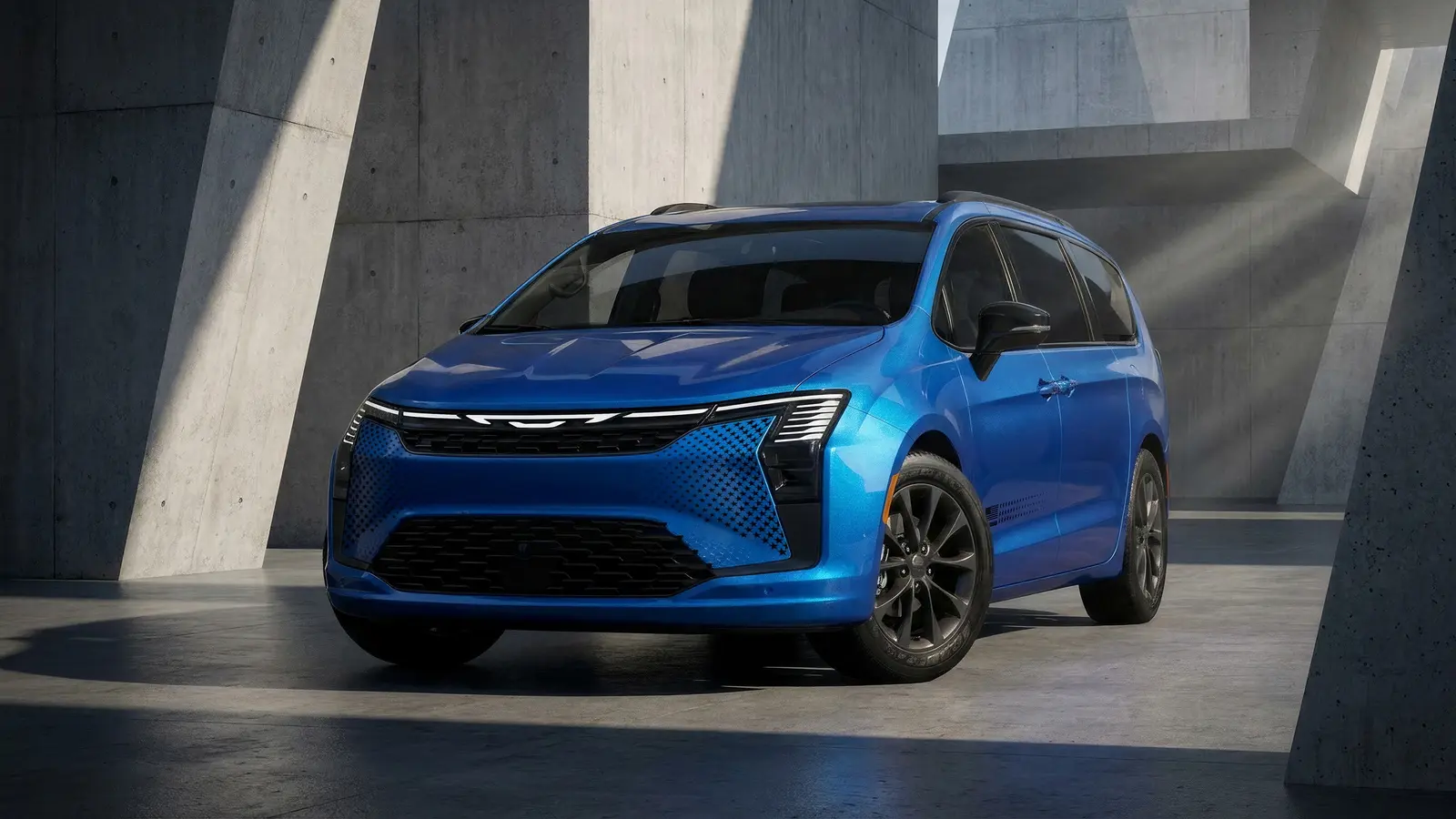
The Chrysler Pacifica has surged back to number one in the U.S. minivan market for the first half of 2026, outpacing the Toyota Sienna and leaving the long-dominant Honda Odyssey scrambling. Chrysler recorded 67,120 Pacifica deliveries in H1 2026, a 16% jump from 56,756 a year earlier, driven largely by a strong second quarter where U.S. sales climbed about 81% versus Q2 2025.
Sales snapshot: H1 2026
- Chrysler Pacifica: 67,120 units (up 16% year-over-year)
- Toyota Sienna: 55,252 units (up 4.7%)
- Honda Odyssey: 42,846 units (down 14.4%)
- Kia Carnival: 40,068 units (up sharply from 33,152)
Combined, these four nameplates delivered 205,286 minivans in the first six months of 2026—a clear sign the segment remains healthy and fiercely contested despite broader market shifts toward crossovers and SUVs.

Why the Pacifica surged
Chrysler’s only minivan benefited from a recent facelift and steady production at the Windsor, Ontario assembly plant. The model’s refreshed styling and interior updates appear to have revitalized retail demand while Chrysler also capitalized on fleet orders. That dual approach—balancing retail appeal with consistent fleet volume—helped the Pacifica establish an early, hard-to-challenge lead.
Beyond the numbers, the Pacifica’s update reinforces its market positioning as a family-focused, feature-rich option that pairs practical packaging with improved styling to attract buyers who might otherwise consider crossovers.
The Sienna keeps pace on hybrid efficiency
Toyota’s hybrid-only Sienna remains a strong second, with 55,252 sales in H1 2026, up 4.7% from 52,762 the previous year. June was notably robust: the Sienna moved 10,641 units versus 8,345 in June 2025, underlining the appeal of standard hybrid efficiency among fuel-conscious families.
The Sienna’s consistent hybrid powertrain and Toyota’s production flexibility are key advantages as the company looks to expand capacity to meet persistent demand.


Kia Carnival’s SUV-like styling and hybrid option drive growth
Kia’s Carnivals are increasingly seen not as old-school minivans but as modern MPVs with SUV cues—an identity that resonates with buyers wanting utility without the minivan stigma. Dealers sold 40,068 Carnivals in H1 2026, up from 33,152 in H1 2025.
Part of Kia’s momentum stems from offering a hybrid drivetrain alternative in a segment dominated by Toyota’s four-cylinder hybrid. The Carnival’s combination of family-friendly space, contemporary design, and fuel-conscious options has helped it close the gap on the Honda Odyssey.
Odyssey slides as market shifts toward efficiency
The Honda Odyssey, long praised as the driver’s minivan, saw deliveries fall to 42,846 in H1 2026 from 50,033 a year earlier—a 14.4% decline. June didn’t reverse the trend, posting a 14.7% drop in monthly sales.
Several structural issues have weighed on the Odyssey: a relatively high starting price and continued reliance on a single V6 powerplant. As American families place a higher premium on fuel economy, the lack of an efficient inline-four or hybrid option has created an opportunity for rivals, especially Toyota and Kia.
"The market is rewarding fuel-efficient, well-equipped family vehicles," an industry analyst observed. "Manufacturers that combine economy with modern styling are gaining ground fast."

Key takeaways and what to watch in H2
- Chrysler will aim to defend its lead by sustaining production and keeping the Pacifica refreshed.
- Toyota’s Sienna growth is capacity-constrained—more factory availability could tighten the race.
- Kia’s Carnival looks positioned to overtake the Odyssey for third if its momentum continues.
- Honda may need to consider more fuel-efficient powertrains or a hybrid variant to regain lost ground.
The battle lines for the remainder of 2026 are clear: Chrysler defends, Toyota optimizes capacity, Kia leverages volume and styling, and Honda must decide whether to evolve the Odyssey’s powertrain strategy. For buyers and observers, the lesson is simple—minivans are far from dead. They’ve adapted, and in H1 2026 they proved they still matter to families seeking space, safety, and efficiency.
Final thought
.avif "2026 Kia Carnival: America's Most Affordable Minivan Returns with Modern Upgrades")
Expect the second half of 2026 to be a tactical game of production, incentives, and lineup updates. From facelifts to hybrid strategies, the manufacturers that act fastest to match buyer priorities—especially fuel economy and modern design—will shape the minivan standings by year’s end.

Leave a Comment
Comments (2)
I manage fleet buys, and yeah Toyota hybrids move faster. Chrysler's facelift helps, but if Honda doesnt add a hybrid they'll keep losing buyers. seen this before
Pacifica back on top?! wow didnt expect that. facelift looks sharp, but fleet orders could be skewing numbers, curious if retail keeps up..