
2 Minutes
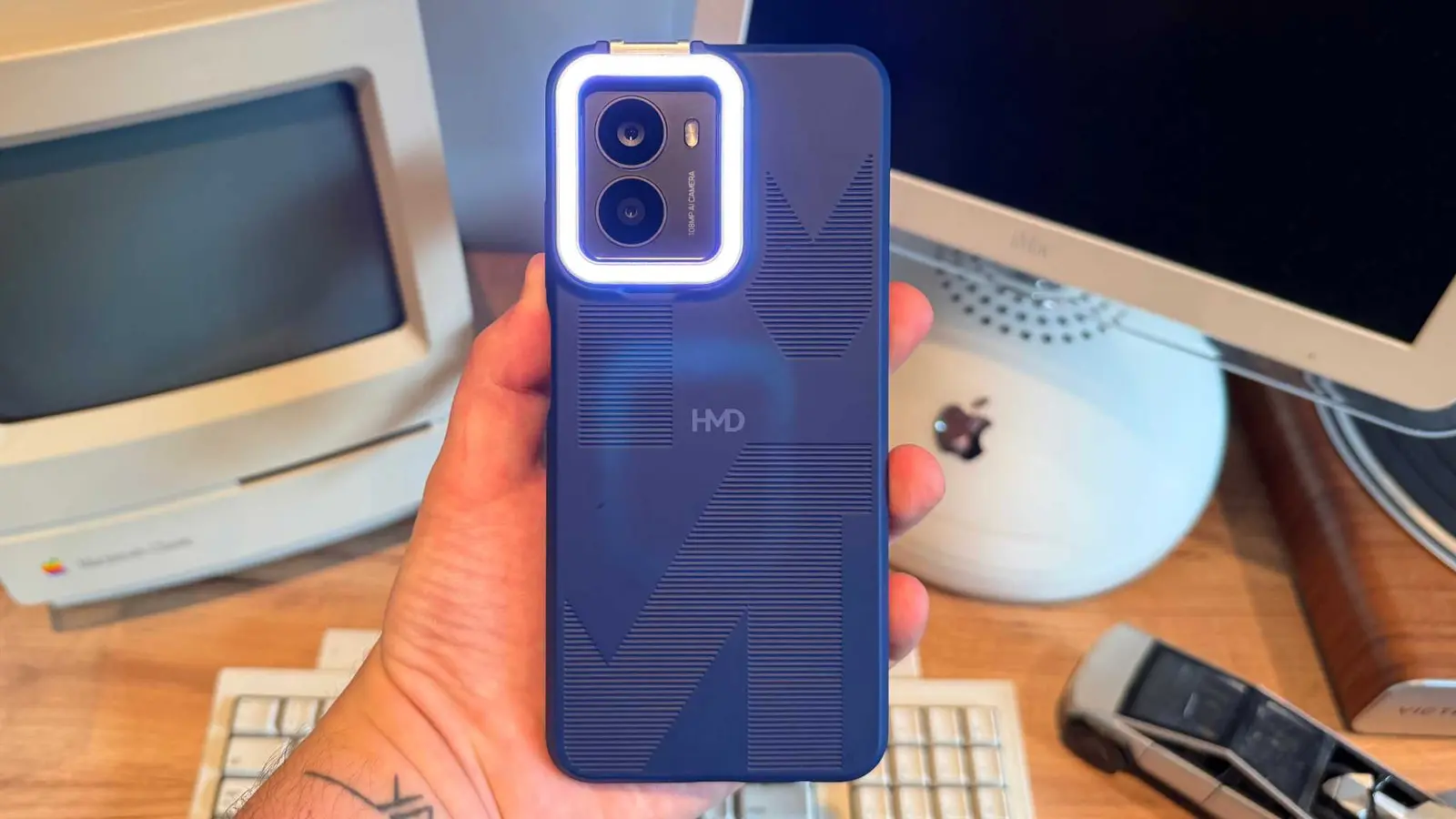
Not every bold idea survives the ledger. When HMD launched the Fusion in September 2024 it felt like a dare: could modular phones escape niche status and become practical? A follow-up, the Fusion 2, was whispered about as early as October last year. Now those whispers have hardened into a worrying rumor.
A usually reliable HMD source claims the company may have quietly canceled Fusion 2. The report is not official. Still, the explanation given is blunt: runaway manufacturing costs and thin margins. Building a phone is one thing. Building a modular ecosystem — with replaceable parts, accessories and long-term compatibility guarantees — turns every manufacturing line into an accounting spreadsheet that rarely lies.
Why does modular fail where concept videos win? Mostly because the economics rarely line up. Consumers like novelty. They like convenience more. Few people actually buy extra modules, which makes enforcing quality, inventory and support for dozens of parts painfully expensive. Could a giant like Apple or Samsung make a modular flagship work? Maybe. They can absorb complexity and subsidize ecosystems in ways smaller players can't. For HMD, a brand that prizes value and lean margins, the math looks less forgiving.

If the cancellation goes ahead, the original Fusion will remain HMD's only modular handset — but the company reportedly intends to keep software promises intact. According to the same source, HMD plans to honor the three-year update pledge for consumer units and a five-year window for business customers. That's an important detail for anyone who already bought into the modular promise.
For context: the Fusion launched at budget-friendly price points — roughly $270 for the 128GB model and about £300 for the 256GB variant — positioning modular hardware in an unusually affordable bracket. Yet affordability doesn't erase the strain of running an accessory ecosystem.
If true, HMD's decision would be more than a corporate retreat; it would be a reality-check for the modular movement. Is modularity a clever sidestep or a strategic cul-de-sac? The market, as always, will tell.


Leave a Comment
Comments
No comments yet. Be the first.