
3 Minutes
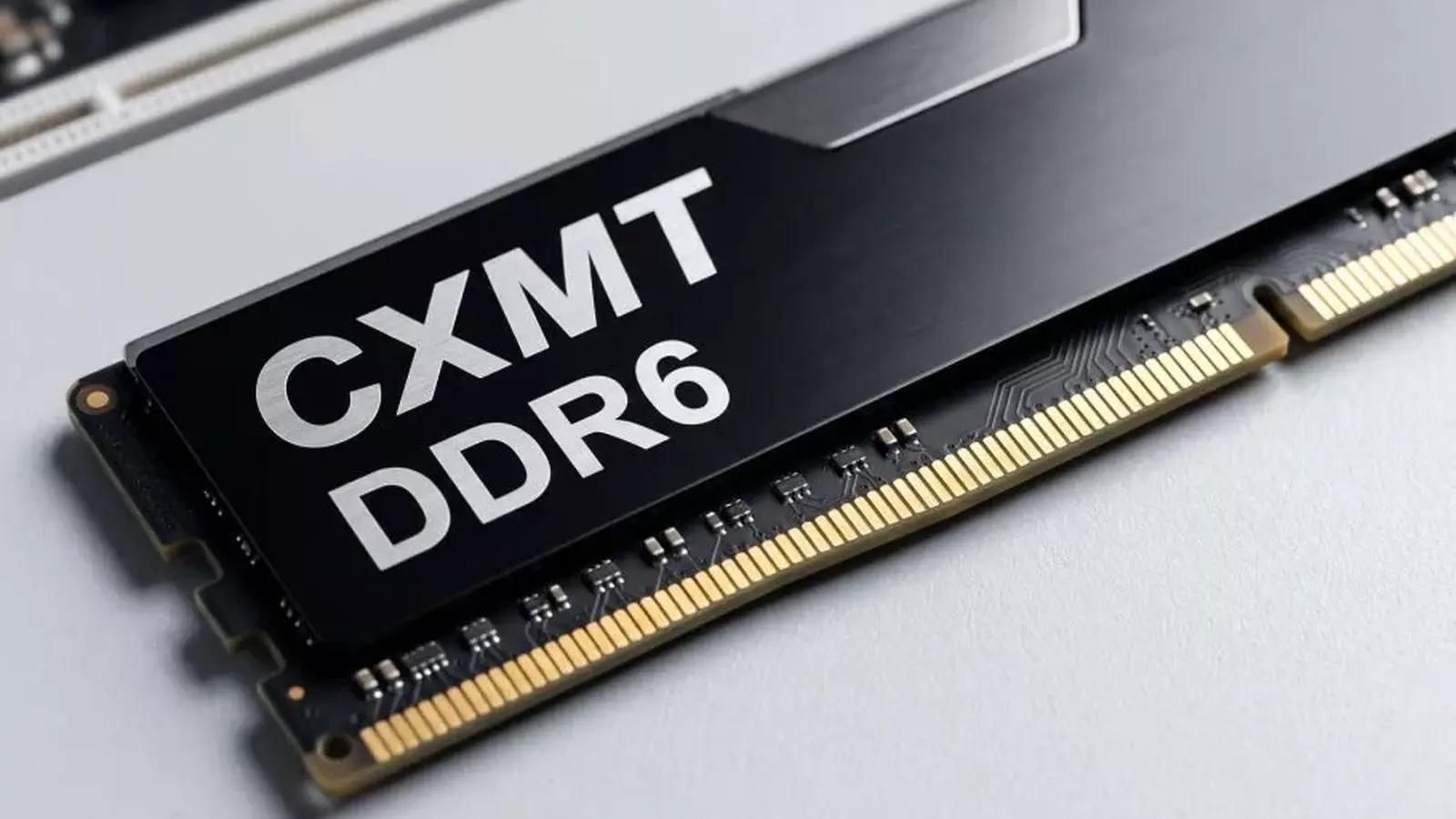
A quiet contender is poking at the DRAM throne. CXMT, a Chinese memory maker, is quietly shifting tactics in hopes of arriving on the DDR6 scene before Samsung and SK hynix fully entrench their dominance.
Industry forecasts place DDR6 commercialization around 2028–2029. That timetable hasn't stopped CXMT and its suppliers from sprinting. The company has added a new partner, Haesung DS, a packaging-substrate specialist that reportedly cleared its final quality tests for DDR5 substrates in Q1 2026. Timing matters. Very much.
Why the fuss over substrates? Because DDR6 isn’t just a faster chip. It’s a fundamentally more complex design with multiple circuit layers that push traditional production methods to the edge. For DDR4 and DDR5, CXMT relied on a cost-effective reel-to-reel process that kept yields acceptable. But reel-to-reel frays as layer counts climb. Yield drops. Profit margins thin. Manufacturing headaches multiply.

Haesung DS is betting on a different route: a panel-based production flow tailored to multilayer packages. In practical terms that means better control over layer stacking, improved consistency across large-format substrates, and a clearer path to preserving throughput as designs get denser. Theoretically, you could shoehorn DDR6 into reel-to-reel lines. Practically, panel-based methods look like the safer play if you want to scale without wrecking yields.
There’s another motivator beyond manufacturing logic: market opportunity. CXMT’s DDR5 parts have trailed SK hynix on some performance benchmarks. Yet global DRAM shortages have left room for alternative suppliers to win business simply by being able to ship. That supply-side pressure echoes through OEM procurement teams. A vendor that can reliably deliver becomes a risk-mitigation tool—valuable in a world starved for memory inventory.
CXMT’s entry into panel-based DDR6 production could alter supplier dynamics if it converts tests into mass shipments.
Apple is reportedly testing memory chips from Chinese DRAM suppliers, adding another layer of incentive for CXMT to accelerate. If a high-profile customer validates the silicon, it shortens the runway from lab success to commercial momentum. Still, reports are careful: concrete timelines for Chinese DRAM mass production remain vague, and the industry watches every validation milestone closely.

Samsung and SK hynix are not standing idle. Both are advancing DDR6 programs and have the scale advantage. The difference is that process choices—reel-to-reel versus panel—will shape cost, yield, and speed to market. Manufacturing strategy may decide who consolidates market share once DDR6 volume production begins.
In short: CXMT has found a plausible technical path and partners to pursue DDR6 at pace. Whether that will redraw the DRAM map depends on execution, customer validation, and how quickly incumbents respond. Watch this space; the next memory generation may hand the industry a few unexpected plot twists.

Leave a Comment
Comments
No comments yet. Be the first.