
2 Minutes
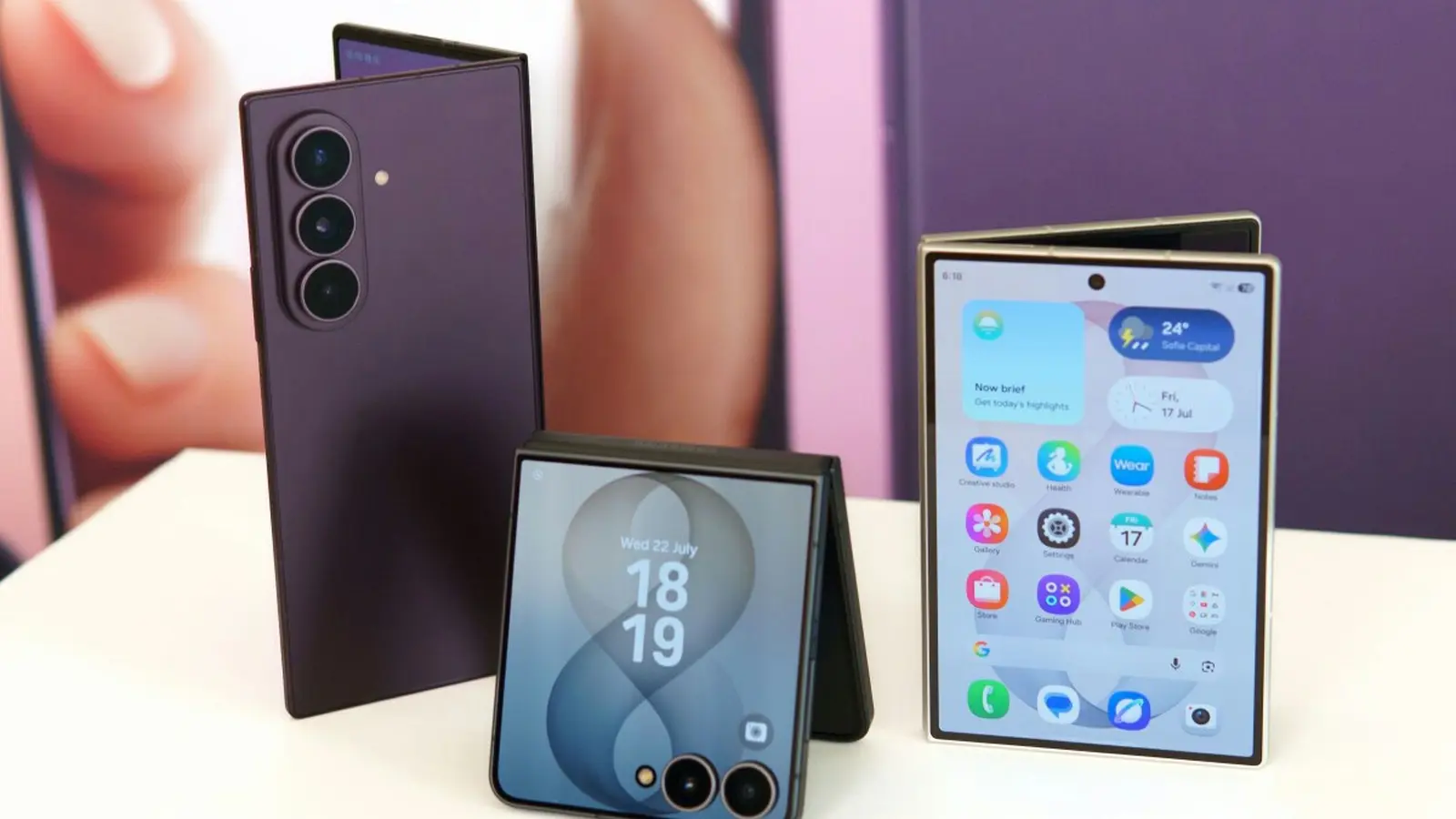
Samsung's latest foldables walk a familiar tightrope: more juice, faster wear. The company introduced silicon‑carbon batteries to the Galaxy Z Fold8, Z Fold8 Ultra and Z Flip8 — a first for its flagship foldable line — and the lift in energy density is obvious, especially in the Fold8 Ultra, which gains roughly 600mAh over its predecessor.
But the EPREL labels, the European Union's official energy product registry, tell a less rosy side of the story. All three new models are rated for 1,200 endurance cycles — the point at which a battery is expected to retain about 80% of its original capacity. By contrast, last year’s Z Fold7 and Z Flip7 carried 2,000‑cycle ratings. If you charge once a day, 1,200 cycles translates to about 3.3 years of use before reaching that 80% threshold.
Why the drop? Silicon‑carbon chemistry is the culprit and the promise. Adding silicon to the anode raises capacity substantially, which lets Samsung pack more energy into the same space. But silicon expands and contracts far more than graphite during charging, stressing the cell over time. The result: higher capacity now, quicker degradation later. It's a tradeoff — immediate range for long‑term stamina.
 |  |  |
It's not unique to Samsung. The Galaxy S26 family shares the same 1,200‑cycle rating, while recent iPhones and Pixels list around 1,000 cycles. Manufacturers tweak chemistry, software and charging routines to soften the blow, yet the underlying material limits remain. Real‑world lifespan will vary with charging patterns, temperature exposure and how aggressively users stress the device.
So what should owners expect? If you replace phones frequently, the shift feels like a win: fuller batteries and longer daily runtime. If you hang on to handsets for five years, you'll likely notice faster capacity loss compared with older lithium‑ion cells that leaned more heavily on graphite anodes. Battery management features, slower charging options and occasional partial charging can help prolong usable life, but they won't rewrite the physics.
For buyers weighing the tradeoff, the EPREL sticker has become an important datapoint — as relevant as cameras or screen specs. Check it, ask about warranty and replacement policies, and consider how long you plan to keep the device. Power is seductive. Longevity costs something.


Leave a Comment
Comments
No comments yet. Be the first.